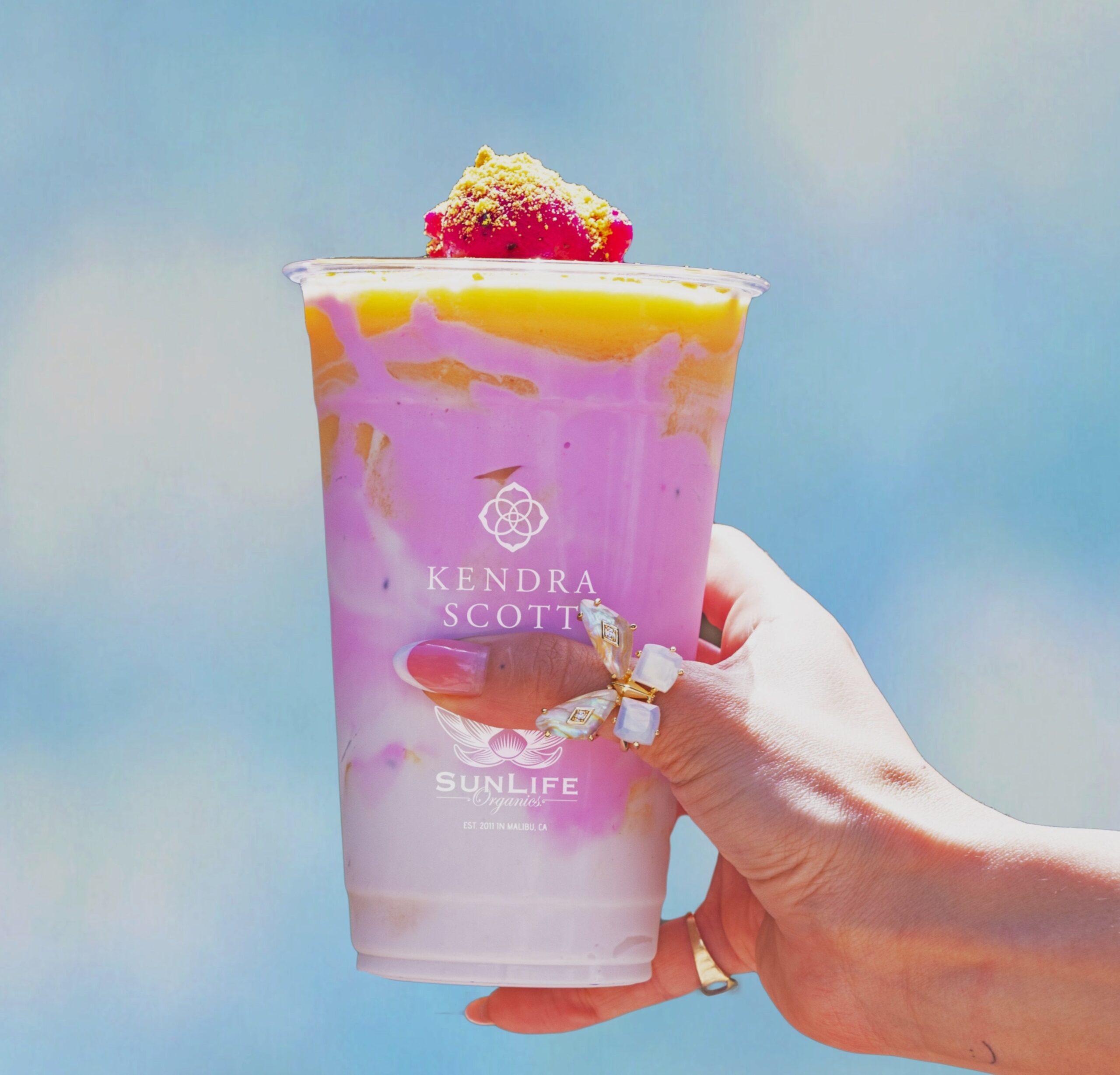
Smoothies have quietly become a status symbol. Once a simple health drink, they’re now priced like small luxuries, especially in cities like Los Angeles and New York. The trend is driven by celebrity-backed blends, wellness bars like Erewhon, and a growing demand for functional ingredients. This isn’t just about fruit anymore; it’s about the experience, the branding, and the perceived benefits of collagen, sea moss, and other high-end additives.
The phenomenon isn’t new. The line for açai bowls at college campuses long ago proved that people would pay a premium for trendy health foods. Today, that same dynamic is playing out in upscale urban areas, where smoothies routinely cost upwards of $17.
Recently, SunLife Organics collaborated with jewelry designer Kendra Scott on a limited-edition smoothie: the “Paradise Glow.” Priced at $20 for a 20-ounce cup, it includes mango, coconut cream, dragon fruit, passion fruit, and a mix of functional ingredients like collagen, colostrum, and vitamins. The question is: does it live up to the hype?
SunLife Organics: The Vibe and the Price Tag
SunLife Organics, a California-based wellness bar, has expanded into cities like New York. The Soho location embodies the brand’s aesthetic: bright, sunny, and designed to evoke a vacation vibe. This carefully curated experience, complete with personalized luggage tags, contributes to the smoothie’s perceived value.
The Paradise Glow Smoothie itself is a tropical blend with a thick, sorbet-like texture. The layers of coconut sorbet and cream create a unique mouthfeel, making it a step above a standard homemade smoothie.
Is It Worth $20?
Objectively, no smoothie justifies a $20 price tag. But in the current wellness landscape, it’s less about the drink itself and more about the experience. The high cost is a barrier to entry that reinforces exclusivity.
If you’re a regular smoothie drinker, this blend is undeniably better than what most people can make at home. The layered flavors and textures are a clear upgrade. But for those who aren’t willing to splurge, it’s still just a smoothie.
The trend raises questions about the commodification of wellness. What are people actually paying for: the ingredients, or the status symbol? It’s a luxury purchase, meant to be tried once and talked about. Ultimately, the Paradise Glow Smoothie is a reminder that even health trends can be shaped by marketing and exclusivity.
If you’re curious, it’s worth checking out SunLife Organics. At the very least, you might get inspired to blend something up at home.