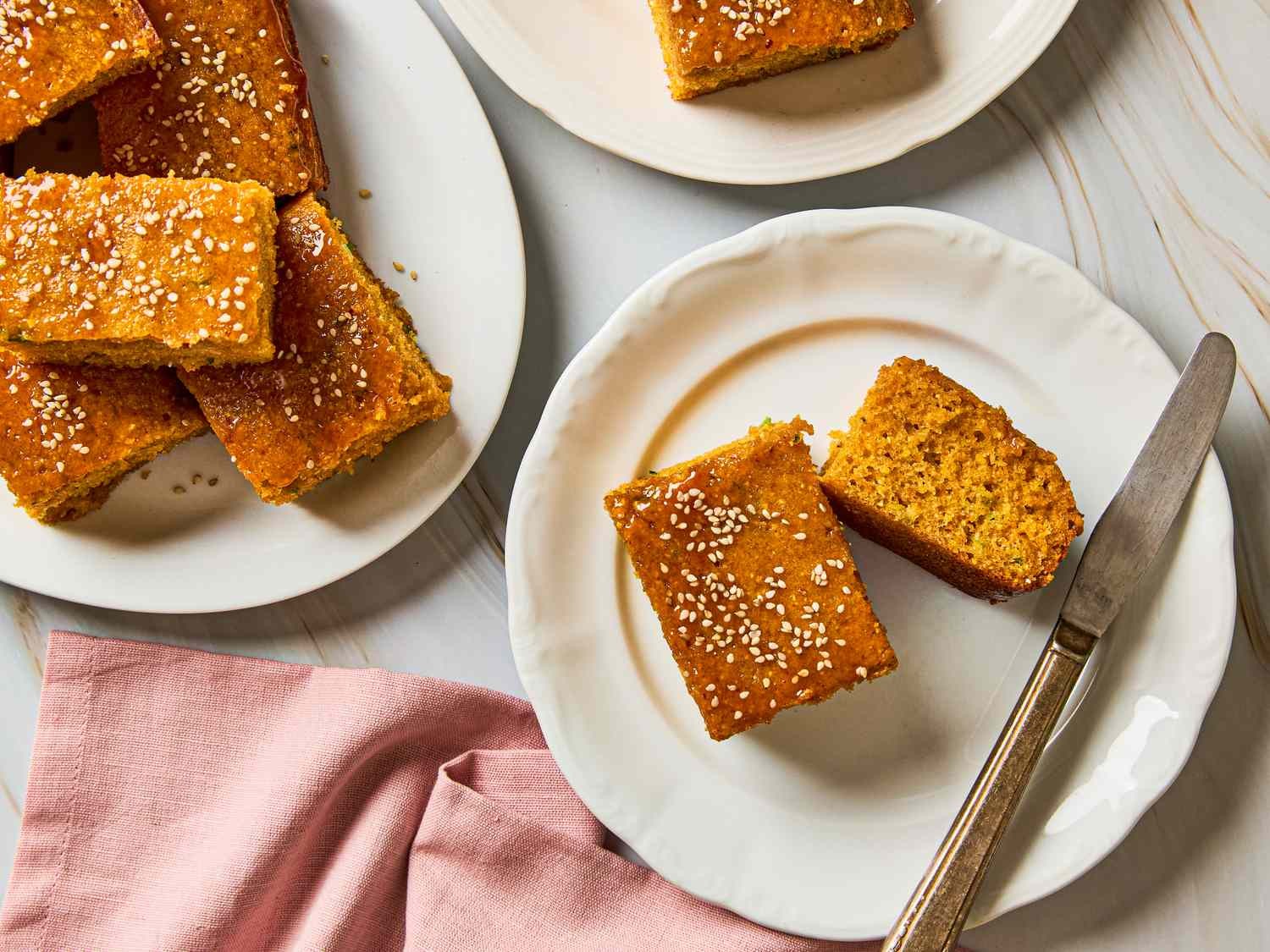
This recipe blends the familiar warmth of American cornbread with the bold flavors of Korean cuisine, resulting in a unique and satisfying dish. More than just a culinary experiment, it reflects a fascinating historical connection between the two countries – one rooted in post-war food aid and evolving tastes.
The Unexpected Korean Roots of Cornbread
Cornbread’s presence in Korea dates back to the 1960s when the U.S. provided food assistance following the Korean War. The aid included cornmeal and powdered milk, intentionally introduced to influence Korean palates and create future export opportunities. This resulted in oksusu-pang, a dense, gritty cornbread served in schools, which has since become a nostalgic food for many Koreans.
As Nicole Choi noted in 2015, the bread’s “unappetizing” texture—hard and rough—is what made it stand out. Today, the search for this original recipe is widespread, even inspiring food bloggers like Maangchi to share their own versions. This recipe builds on that history, offering a modern interpretation free from the constraints of the original.
A Spicy Twist: Gochujang and Scallions
This cornbread incorporates fresh scallions and gochujang, a fermented Korean chili paste made from chiles, rice flour, and soybeans. The result is a savory, fluffy bread with a balance of sweetness, spice, and umami. The gochujang-honey-butter glaze enhances this profile, providing a pleasant salty-sweet edge.
Toasted white sesame seeds and a drizzle of toasted sesame oil add further depth, offering a nutty finish that complements the spicy kick. It pairs well with meats, fish, or vegetables, making it a versatile addition to any meal.
Serving and Enjoying
This cornbread is an excellent gift for those who appreciate bold flavors. Its unique blend of American comfort and Korean spice makes it a memorable dish.
This recipe isn’t just about the food; it’s about honoring a shared history, embracing fusion cuisine, and creating something new from the past.


