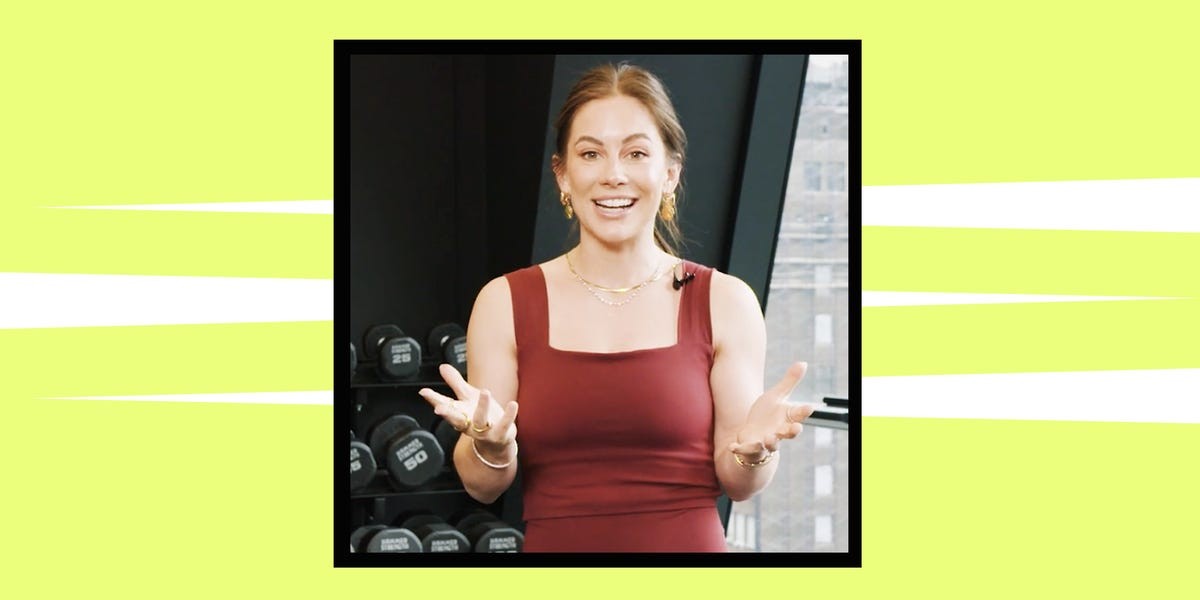
Olympic gold medalist Shawn Johnson East, 34, has adapted her exercise regimen significantly since leaving competitive gymnastics. Initially struggling to transition to a “normal” workout routine without constant coaching, she experienced burnout from overtraining before rebuilding her fitness “from the ground up.” Now, she strength trains 3–5 times weekly, incorporating dynamic movements that make her feel powerful.
From Overdoing It to Finding Balance
After the Olympics, Johnson East pushed herself too hard, taking up to five workout classes per day. This unsustainable pace led to exhaustion and a complete break from exercise. Her eventual return required a methodical approach, starting over to create a sustainable routine.
Key Exercises for Strength and Empowerment
Johnson East’s current regimen includes several key exercises:
- Dumbbell Flow: A continuous sequence combining high pulls, Romanian deadlifts (RDLs) to snatches, bent-over rows, and squat presses. She recommends 4–10 reps per exercise for 2–3 sets.
- Handstands: A nod to her gymnastics background, providing a sense of empowerment despite initial struggles with strength after pregnancy and postpartum recovery.
- Box Jumps: A personal favorite, allowing her to jump over 40 inches and feel strong. She pairs them with squats for a full-body effect.
- Chin-Ups: A long-term goal, Johnson East acknowledges the difficulty but believes consistent effort is the only way to improve.
Why This Matters
Johnson East’s experience highlights a common challenge for elite athletes transitioning out of their sport: adapting to fitness without the structure of professional training. Her story demonstrates that rebuilding strength and balance takes time and self-awareness. For many, the pressure to maintain peak physical condition can lead to unsustainable habits; her journey illustrates the importance of finding a routine that prioritizes long-term health over immediate intensity.
Ultimately, Johnson East’s approach emphasizes sustainable strength training, combining functional movements with a mindset of continuous improvement. She proves that even after elite competition, fitness remains a powerful tool for empowerment and well-being.