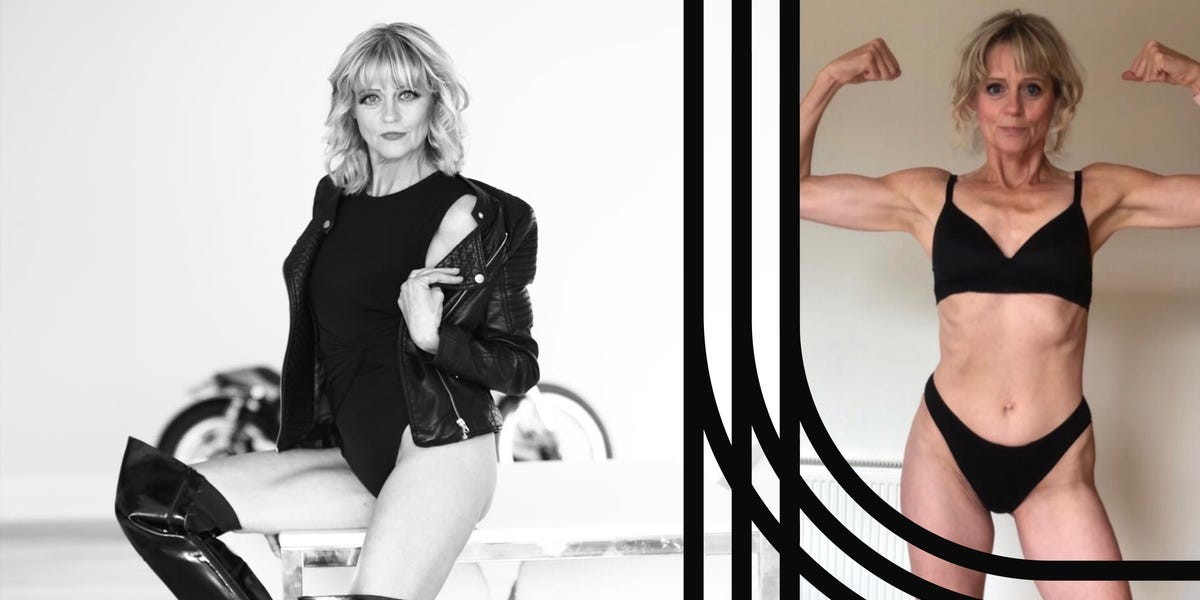
For decades, I defined myself as a runner. The rhythm of the road, the endorphin rush – it was more than exercise; it was essential to my well-being. But as perimenopause hit in my late 40s, running became a struggle. Recovery slowed, my body changed, and the joy faded. This isn’t just about physical decline; it’s about the broader impact of hormonal shifts on women’s health, often dismissed or ignored for too long.
For years, I felt alone in this transition. The lack of open conversation around menopause meant I didn’t know what was happening, only that something was wrong. As my activity level dropped, weight crept on, and with it, a sense of disconnect. Exercise had always been my anchor, and losing it left me adrift. This is a common experience: when physical activity declines, it exacerbates emotional and mental health challenges.
The turning point came at 54. Enough was enough. Scrolling through Instagram, I stumbled upon Joan MacDonald, a 79-year-old fitness influencer who transformed her life through strength training. Her story was a revelation: if she could redefine her body at 70, I had hope at 50. This wasn’t just about aesthetics; it was about proving that age doesn’t dictate limits.
Running no longer served me, but resistance training felt different. I joined Joan’s app, Train With Joan, drawn to its accessible program for all levels. It provided structured workouts, macro tracking, and most importantly, a community of women in the same boat. This is key: isolation fuels decline, while shared experience drives progress.
I started with dumbbells and resistance bands, focusing on form and rebuilding strength. Alongside this, I overhauled my nutrition: cutting out processed foods and alcohol. The results were immediate. Energy surged, muscle tone returned, and confidence followed. The community provided support, and the transformation felt sustainable.
Now, at 59, I’m committed to full-body strength. After a year and a half with Joan’s program, I transitioned to virtual training with Caroline Drury. My routine includes four to five weekly sessions: squats, deadlifts, presses, pull-ups – three sets of eight to twelve reps. Progressive overload is non-negotiable; increasing weight or reps each week ensures continuous growth.
Cardio isn’t forgotten. I incorporate 15 minutes on the bike, elliptical, or rower on training days, and aim for 10,000+ steps daily. Two active rest days are reserved for yoga, enhancing flexibility, mobility, and mental well-being. This holistic approach addresses both physical and emotional resilience.
Three key factors made this transformation possible:
- Eliminating Alcohol & Processed Foods: Alcohol and sugar crashes had been draining my energy for years. Macro counting revealed the power of whole foods: at least 30 grams of protein per meal for muscle growth, bone health, and satiety. Post-menopause, this is crucial.
- Finding a Supportive Community: Fitness can be isolating, but connecting with other women facing similar challenges keeps me motivated. Whether through Instagram or in-person retreats, these friendships provide encouragement and reduce feelings of loneliness.
- Reclaiming Identity Through Strength: For too long, I felt trapped by aging. Strength training changed that. It restored my power, giving me the energy to hike, kayak, travel, and confidently pursue new experiences.
Today, at 59, I am stronger than ever—physically, mentally, and emotionally. Fitness isn’t about resisting aging; it’s about embracing it as an opportunity for growth, resilience, and a richer life.