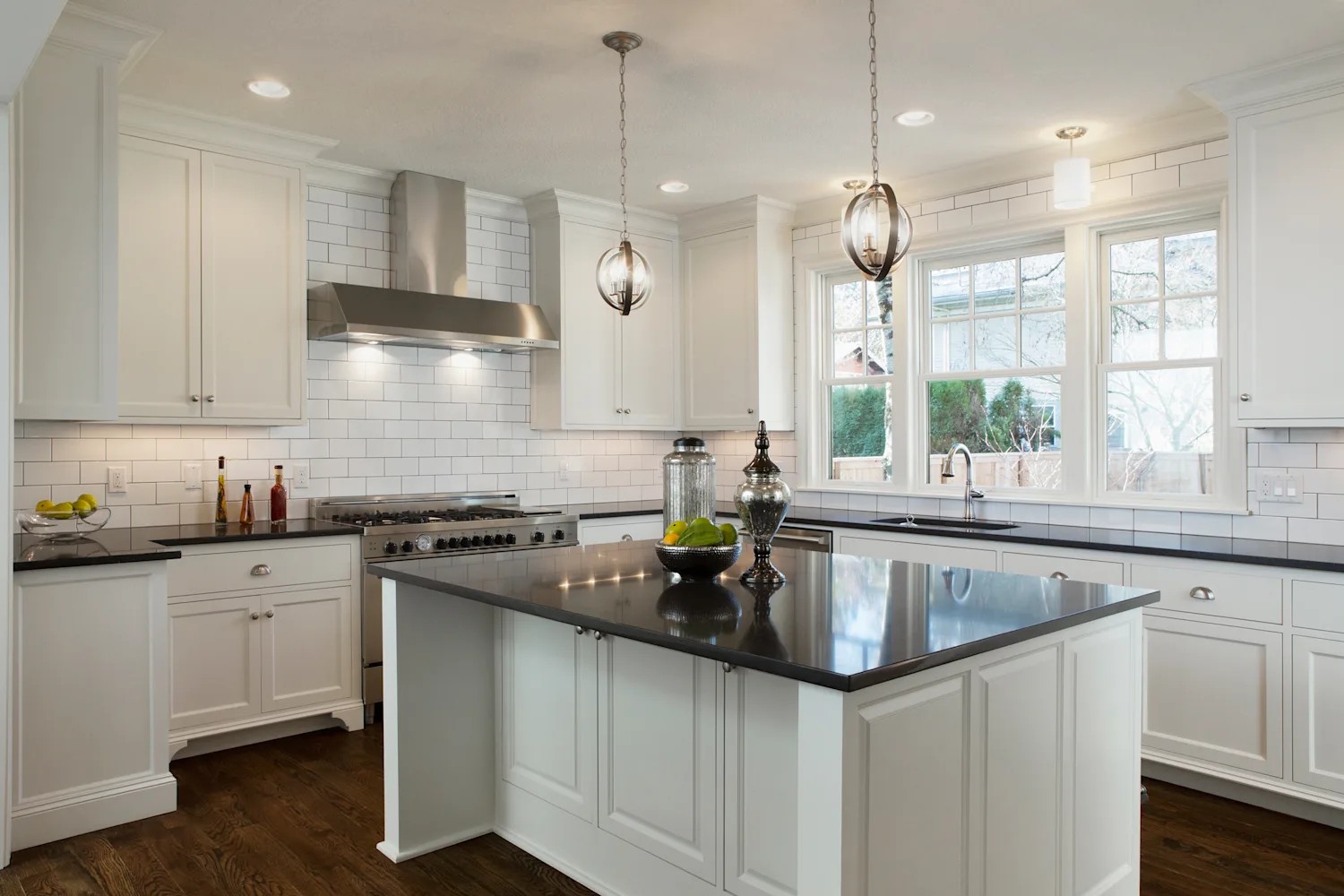
Real estate professionals agree: certain kitchen elements can significantly reduce a home’s market value. While major layout flaws are costly to fix, several cosmetic issues can be addressed relatively easily to avoid price negotiations. Here’s what experts say to avoid if you plan to sell.
The Impact of Dated Design
According to Ariel Baverman of Coldwell Banker, kitchens are a primary focus for buyers and directly influence sale prices. While size and layout are substantial (and expensive) fixes, superficial elements can make or break a deal. Jen Barnett, broker at The Front Agency, notes that these issues aren’t always about big-ticket items but rather obvious signs of neglect.
Key Features That Drag Down Value
Fluorescent lighting, outdated countertops, and flooring are among the most immediate red flags. Barnett specifically cites “hunter orange laminate countertops” and “avocado green linoleum flooring” as clear indicators of a severely dated kitchen. These elements signal a lack of recent updates and can deter potential buyers.
Busy countertops also hurt resale value. Lisa Graff of Houlihan Lawrence explains that “tiled or busy countertops, particularly in darker granite,” are undesirable due to their high replacement cost. Buyers prefer cleaner, more modern designs.
Appliance and Layout Problems
Black and outdated appliances are another turnoff. Graff states that black appliances are falling out of favor, while white appliances can also appear dated if not part of a fully white kitchen design. Old burners and exhaust fans above islands create awkward, claustrophobic spaces.
Cabinets above islands and room-dividing exhaust obstruct sight lines and make kitchens feel cramped, which buyers dislike.
Flooring Mistakes
Mismatched flooring is another common issue. Baverman recommends limiting visible flooring types to three or fewer to avoid a disjointed look. Mixing patterns can suggest rushed repairs and larger underlying problems.
Dark grout with light flooring appears dirty, while cracked tiles immediately signal maintenance issues. Replacing broken tiles is often inexpensive if original materials are available.
The Bottom Line
Leaving these features unaddressed risks price negotiations. However, if you’re not selling soon, enjoy your space. Ultimately, your personal preference matters most until you decide to list.
These details matter because the housing market increasingly favors modern, well-maintained homes. Ignoring these factors can mean thousands lost in negotiations, or a longer time on the market. Buyers will use these flaws to justify lower offers, and sellers who address them upfront stand to gain a clear advantage.