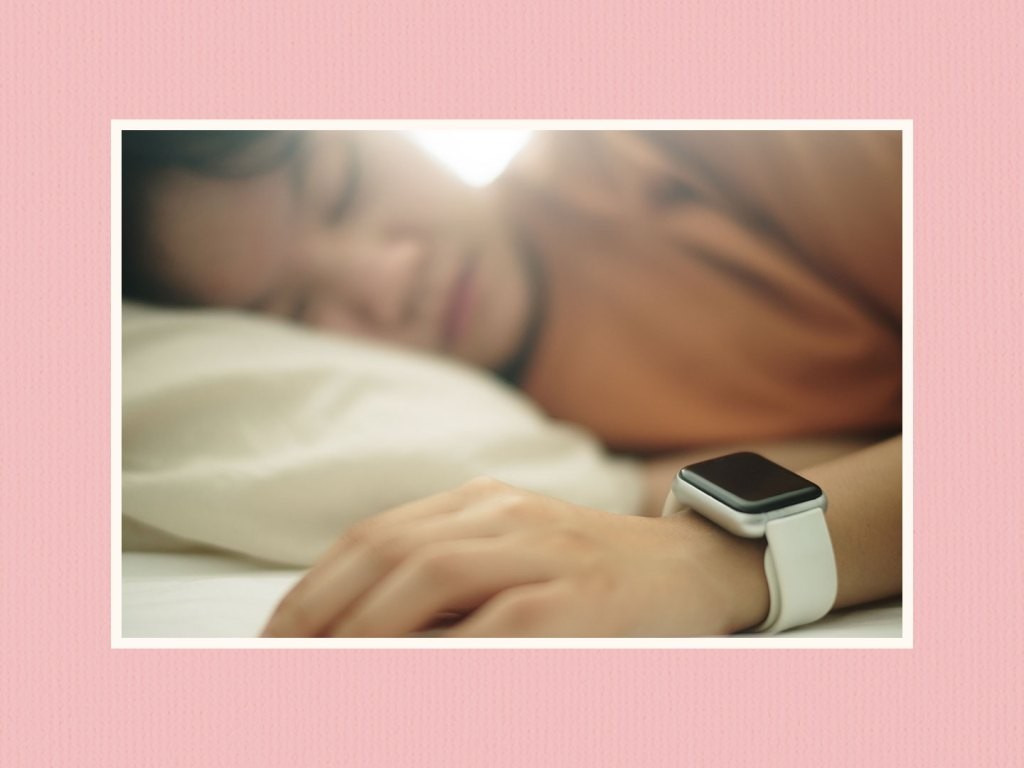
For many, a good night’s sleep feels less like a biological need and more like a performance goal. As awareness of sleep’s impact on health grows—from cognitive function to metabolic processes—so does the market for “sleep optimization.” Today, wearable tech and health apps are turning rest into a quantifiable, gamified experience, but does this tech actually improve sleep, or just add another layer of anxiety?
The Growing Sleep-Tech Market
An estimated 30% of U.S. adults now use devices like Apple Watches and Oura Rings to monitor their sleep. The industry is booming, projected to double in revenue by 2030, reaching $5 billion. These devices track key biometrics—breathing, heart rate, movement—and assign numerical “sleep scores” to each night.
The appeal is clear: people want data. But experts warn that objective measurement doesn’t guarantee better rest. “Providing an objective measure of sleep may provide a different perspective,” says Dr. Mike Gradisar, a clinical psychologist and sleep researcher, “but this information alone won’t help you sleep better.”
The Pros and Cons of Data-Driven Rest
Sleep tracking can be beneficial. For those who underestimate their sleep, the data can rebuild confidence. Research shows insomniacs often overestimate how long it takes to fall asleep by about 30 minutes and underestimate total sleep time by 46 minutes. Tracking can reveal actual sleep patterns, which can then be shared with doctors for better diagnosis.
However, the line between optimization and obsession is thin. “Orthosomnia,” an unhealthy fixation on perfect sleep data, can develop when people compulsively check their sleep scores instead of focusing on feeling rested. While rare, this phenomenon can turn self-improvement into a source of stress.
It’s also important to note that sleep trackers aren’t perfect. They often overestimate sleep duration and can’t replace clinical tools like polysomnography. Serious sleep issues—such as insomnia or sleep apnea—require expert medical attention.
Sleep Tracking for Teens: A Double-Edged Sword
Adolescents are particularly vulnerable. The National Sleep Foundation recommends 8–10 hours (sometimes up to 11 ) of sleep, but most U.S. teens are chronically underslept. For this age group, sleep tracking can be a double-edged sword: it can incentivize change, but also add to existing pressures from school, social life, and technology.
Experts advise parents to allow teens to track their sleep if they want, but emphasize that data should be used for information, not judgment. The goal is to connect sleep deprivation to real-world consequences—like grogginess from late-night scrolling—without causing anxiety or shame.
The Healthy Approach to Gamified Sleep
The key is moderation. Instead of chasing perfect scores, focus on improving one or two core metrics: total sleep time and time awake. Most adults need 7–9 hours of sleep, and frequent awakenings lasting over 15 minutes should be examined.
While many devices claim to improve sleep, experts warn against miracle cures. Wearable tech can highlight unhealthy trends and drive lifestyle changes, but it won’t fix bad habits on its own. The Oura Ring, worn on the finger where arterial signals are stronger, tends to provide more accurate data than some smart watches.
Ultimately, subjective perception matters. Dr. Gradisar notes that people often underestimate their sleep health. If you wake up feeling exhausted despite a high sleep score, trust your body. Data is one piece of the puzzle, not the whole picture.
The most effective approach to sleep isn’t about hitting a perfect score. It’s about using data as a tool for self-awareness and making informed choices that support natural rest.