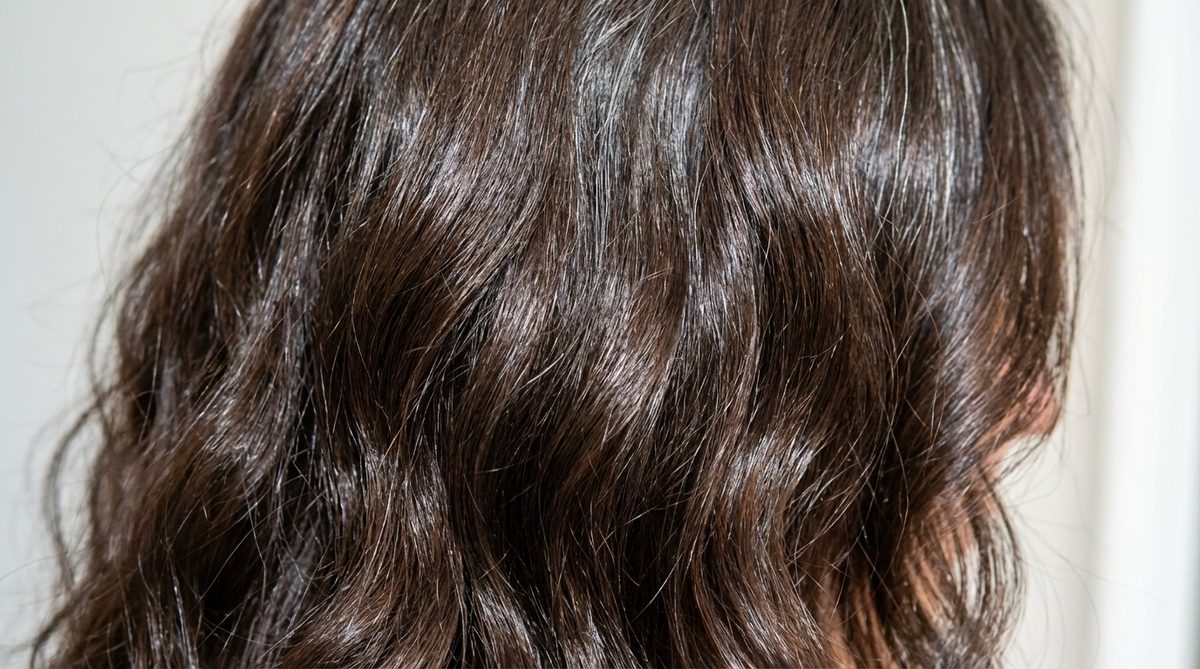
Let’s be honest. Between the impossible shine promises in ads and shelves groaning under the weight of plastic bottles, who hasn’t dreamed of naturally luminous hair without the daily ritual of lathering up? It’s January. The light is gray. Your hair feels dull, staticky, and frankly, tired.
There is a simple, slightly shocking way to give your hair a real glow-up. And it involves stopping the use of shampoo.
The Disillusionment with Industrial Hair Care
In bathrooms across the West, the temptation to buy another colorful bottle is strong. But every winter, hair seems to deteriorate. Conventional products—even those proudly labeled “natural”—often leave us with dry fibers and rebellious roots. We chase the holy grail bottle, only to face the reality of brittle ends.
Advertisements sell us mirror-like shine and silken touch. But industrial shampoos rarely deliver on these promises. They coat the hair fiber with synthetic ingredients for an immediate effect that vanishes by lunchtime. Layer after layer weighs hair down. It suffocates the strand. Vitality drops.
“It’s time to question this routine that has been handed down to us.”
We need to look at what is actually happening to our scalps. Conventional shampoos rely on aggressive surfactants. These agents strip the scalp. In winter, when skin is most sensitive, this over-cleaning causes irritation. It triggers itching. It also sends a signal to your sebaceous glands: produce more oil. So, the more you wash, the greasier your hair gets. The vicious cycle takes hold.
A Powder from Elsewhere
When you get tired of standardized solutions, sometimes a chat with a friend changes everything. It usually happens over tea, while sharing the minor hair tragedies of the cold months. That is where the best tips emerge.
One friend mentioned a brown powder. At first glance, it looked strange. Unconventional. But the effects? Remarkable.
The Indian Origins of Shikakai
A simple tip can transform your entire hair routine. Amidst conversations about winter-damaged hair, you might discover a powder from India. It is small. It is exotic. It is intriguing.
Shikakai literally means “fruit for the hair” in Hindi. For centuries, women in India have used this powder. It is rooted in Ayurvedic tradition. These women are famous for the shine and vitality of their hair. This is a secret passed down through generations. Now, it is arriving in the West as we seek meaning and a return to natural methods.
Shikakai: Cleansing, Healing, and Illuminating
The promise here is not just cleaning. It is a complete experience. Hair that deserves a place in a fairy tale. Nature is offering a solution that is respectful, effective, and economical.
100% Plant-Based Composition
Shikakai comes from the dried fruits of the Acacia concinna tree. These are ground into a fine powder. There is no artificial foam. No silicones. No sulfates. No preservatives.
Instead, it contains natural saponins. These clean gently. The powder is rich in vitamins A, C, D, and E. It offers a rejuvenating bath for the hair fiber. You no longer need to multiply chemical bottles.
Why Shikakai Respects Hair Better Than Shampoo
Unlike classic shampoos, shikakai does not strip. It cleans gently without attacking keratin or unbalancing the scalp. Its acidic pH respects the skin’s natural barrier. It soothes irritation. It helps prevent dandruff.
This true washing treatment leaves hair clean, supple, and shiny from the first use. Many women find a new equilibrium with it. They step away from conventional detanglers and serums. The routine changes. The hair responds.
But what happens when you rinse it out? And how do you actually apply a powder without making a mess in your shower? That is the next step in the transition.
It’s cold outside. Your hair feels brittle. Most people think winter is the enemy of good hair, but that’s only true if you’re using products that strip moisture. Switching to shikakaï powder isn’t just a trend; it’s a practical reset for your scalp’s natural rhythm.
You don’t need a degree in chemistry to do this. You just need a bowl, some warm water, and five minutes.
The Basic Recipe: No Foam Required
The biggest hurdle for new users? The lack of bubbles. Traditional shampoos lie to you. They promise foam equals clean. Shikakaï doesn’t foam much. It works differently.
Here is the exact ratio to start with:
- 25 grams of shikakaï powder (about 2 to 3 tablespoons).
- 100–150 ml of warm water. Adjust thickness based on your hair density.
- Optional: 1 teaspoon of argan, coconut, or jojoba oil. Use this if your ends are dry.
Mix the powder and water until it looks like crepe batter. Apply it directly to wet hair, parting your hair section by section. Massage the scalp with your fingertips. Let it sit for 5 to 10 minutes. Drink a tea. Listen to a song. Rinse thoroughly with clear water.
That’s it. No complicated steps. No waiting an hour.
If the mixture feels too thick to spread, add a splash of aloe vera gel or floral water. This helps distribution without adding harsh chemicals.
Why You Won’t See a Lather
Do not panic if your hair doesn’t look like a soap opera commercial. The absence of lather does not reduce shikakaï’s effectiveness.
The saponins in the powder clean by binding to dirt and oil, not by creating air bubbles. If you miss the foam, try humidifying your hair more before application.
Frequency matters less in winter. Your scalp produces less sebum in the cold. Washing once a week is often enough. You can experiment with more often in summer, but start slow.
What Happens in the First Rinse
The change is visible immediately. Under the harsh, pale light of January, your hair still looks alive.
It feels softer. Lighter. The weight of product buildup is gone.
The Immediate Results
Dry it off. Look in the mirror.
The shine is natural, not coated. The ends are manageable. You likely won’t even need a conditioner. The hair slides through your fingers. The scalp feels breathable.
For those with curly or textured hair, this is a relief. No more straw-like texture. No more stiffness. The improvement stays. It doesn’t wash out by Thursday.
Early Adopters Love It
Skeptics usually turn into believers after the first wash. The results are tangible. People notice. Compliments start coming from unexpected places.
Everyone tweaks the recipe eventually. You might add honey one week, aloe the next. That’s the point. It’s a base, not a rigid rule. Word of mouth spreads fast because the results are hard to hide.
Transitioning Without Stress
Changing your routine in winter feels risky. You worry about the “transition phase.”
Some scalps need time to rebalance sebum production. If you stop using commercial shampoo, you might experience a brief adjustment period. It’s normal.
Space out your washes gradually. If your scalp itches, try a diluted vinegar rinse to soothe it. Don’t rush. Give it one or two weeks. The balance returns.
Common Mistakes to Avoid
Don’t use water that’s too hot. It dries out the scalp.
Don’t rinse it off too quickly. Let the saponins work.
Don’t mix shikakaï with conventional surfactants. You cancel out the benefits.
Also, keep a dedicated towel. Shikakaï can stain white fabric slightly. It’s cheap to replace a towel, expensive to ruin your favorite one.
Why This Matters Beyond Hair
After a few weeks, the shift is deeper.
Your scalp regulates itself. Roots stay clean longer. Ends feel stronger. Dandruff fades. Winter dryness stops feeling like a battle.
Your hair is supple, not limp. Strong, not heavy.
You stop buying products you don’t understand. You stop throwing away plastic bottles. The routine becomes simple. Joyful. Minimalist.
It’s not just about cleaner hair. It’s about reclaiming time. Reclaiming simplicity.
One powder from another part of the world. That’s all it takes to break years of habit. Why wait until spring? Try it now. Feel the difference.