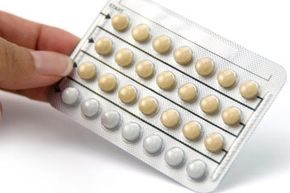
Your cycle and your skin are locked in a constant tug-of-war. If you’ve ever stared into the mirror in disgust right before your period starts, you know exactly what I mean. It is frustrating. It is common. And biologically, it makes perfect sense. But here is the thing that changes the game: birth control might actually be the secret weapon your skincare routine has been missing.
The Androgen Connection
Let’s look at the biology for a second. Women produce androgens, a group of hormones that include testosterone. These aren’t just for men. When your period is approaching, androgen levels can spike or become more active. This triggers your sebaceous glands to go into overdrive, producing excess oil.
Oil isn’t the enemy. Your face needs it to stay hydrated and protected. The problem is when there is too much of it. That surplus oil mixes with dead skin cells and clogs your pores. Enter the pimple. It is a mechanical process. Androgens raise the oil. Oil clogs the pore. The pore gets inflamed.
How Oral Contraceptives Help
This is where the pill comes in. Certain types of oral contraceptives work by suppressing those androgen spikes. By lowering androgen activity, they tell your skin to calm down. Less oil production means fewer clogged pores. Fewer clogged pores mean fewer breakouts.
This isn’t just anecdotal. The effectiveness is so documented that the FDA has approved specific brands of birth control to treat acne in women who also desire contraception. It treats the root cause rather than just scrubbing the surface.
“Hormonal therapies offer effective solutions for many adult women with acne by targeting the underlying androgen activity.” — American Academy of Dermatology
However, this is not a universal fix. It is a tool. And like any tool, it has a learning curve.
The Sun Sensitivity Warning
Here is the catch that most people forget to mention. While birth control can dry up the oil, it can also make your skin thinner and more reactive to the sun. This is a real risk. Some women develop melasma, those frustrating dark patches on the face that look like shadows and refuse to fade.
If you start hormonal birth control, your skin’s tolerance for UV rays drops. You have to be diligent. Sunscreen isn’t optional anymore; it is a requirement. If you skip the SPF, you might trade acne for melasma, which is a dealbreaker for many.
Should You Take It Just for Your Skin?
This is the big question. If your acne is mild, or if you have other health reasons for avoiding hormones, taking the pill solely for clearer skin might not be worth the potential side effects. Weight gain, breast tenderness, and mood shifts are real possibilities. The pill affects you holistically.
But if you are already planning to take birth control for pregnancy prevention or other medical reasons, the clearer skin is a welcome bonus. You get the dual benefit without adding a new medication to your stack.
The Variable Factor
There is no crystal ball. You cannot predict with 100% certainty how your body will react to hormonal contraception until you are actually in it. Some women see their skin clear up within three months. Others see no change. A small percentage see worsening breakouts or the onset of melasma.
The only way to know is to track it. Keep a journal. Take weekly photos. Monitor how your skin handles the sun. If the trade-off feels off, talk to your doctor. There are many types of birth control, and finding the right fit for your body is a process, not a one-click solution.
It is about finding the balance that works for you. Not the idealized skin magazine covers, but your skin, your health, and your life. Keep experimenting. Keep listening to your body. The right answer is out there.


