
You are shedding millions of skin cells right now. Estimates put the number between 40 and 60 million every single day. It happens in the inner layer of the epidermis. That is your outer skin barrier. New cells push outward. They force older cells up the chain. Eventually, dead cells reach the surface and flake off.
Think of it like a grocery store. Stock rotates. Oldest items move to the front shelf first. Your skin works the same way.
But here is the problem. You are covered in dead skin. If that buildup stops, your skin looks dull. It loses its glow. Worse, those dead cells create a traffic jam. They block the path for new cells to surface. The result? Clogged pores. Blackheads. Pimples. Sometimes even painful cysts.
Your skin works hard. It keeps moisture in. It keeps bacteria and infection out. To help it do that job, you need a daily body cleanser.
A good cleanser removes that dead layer. It makes space for the next cycle of cell growth. Your skin looks healthier. Younger. How do you pick the right one?
Analyze Your Skin Before You Buy
Not all skin types need the same thing. Picking a cleanser without knowing your skin type is a gamble. You might strip natural oils. You might leave dirt behind.
Start by looking at your face and body. How does your skin feel after washing?
- Dry skin feels tight or itchy. It might flake. You need a cleanser with added moisture or oils.
- Oily skin shines by midday. Pores look larger. You need something that cuts grease without over-drying.
- Combination skin has oily zones (usually the T-zone) and dry patches. You might need different products or a gentle all-rounder.
- Sensitive skin redness or stings easily. Look for fragrance-free and hypoallergenic options.
- Normal skin balances well. You have flexibility but still need consistent care.
Consider Your Lifestyle and Environment
Where you live matters. If you live in a dry climate, your skin needs more hydration. If you sweat heavily from exercise, you need something with a bit more strength to remove sweat and bacteria.
Do you wear heavy makeup or sunscreen daily? You might need a double cleanse. An oil-based first cleanser to break down makeup, followed by a water-based daily body cleanser to clean the skin itself.
Read the Ingredient Label
You do not need a chemistry degree. But you should know the basics.
Avoid harsh sulfates. Ingredients like sodium lauryl sulfate can strip your skin barrier. This leads to more oil production as your skin tries to compensate.
Look for hydrating agents. Glycerin, hyaluronic acid, and ceramides help keep your skin barrier intact. Even if you have oily skin, hydration is key. Dehydrated oily skin is common.
Fragrance is optional. Synthetic fragrances are a leading cause of skin irritation. If you have sensitive skin, skip them entirely. Natural essential oils can also trigger reactions.
How Often Should You Wash?
Daily is standard. But twice a day


Most of us shower every day, yet we barely understand the organ we’re scrubbing. We guess at our skin type because knowing it changes everything about which body wash actually works.
If you don’t know what you’re dealing with, you’re just guessing. And guessing with chemicals on your body is a bad idea.
Here is the breakdown. See where you fit.
Know Your Baseline
You need to identify your baseline before buying anything.
Normal skin is the unicorn. It balances moisture and oil with low sensitivity. If you have this, you’re lucky. Just keep doing what you’re doing.
Oily skin shines a few hours after you step out of the shower. Your pores are likely larger, and you’re dealing with excess sebum. Fortunately, there’s a massive industry built specifically to strip this down to size.
Dry skin feels tight. It might look red. It itches. This is your warning. Most standard soaps strip natural oils, which you don’t have to spare. Using the wrong cleanser here will make the tightness worse, not better.
Sensitive skin reacts to everything. Chemicals. Plants. Food. If this is you, you have to read labels like a hawk. Skip the perfumes. Skip the unnecessary additives. Your skin is screaming for simplicity.
Combination skin is the headache. Oily one month, dry the next? Or oily in some spots and normal in others? You are a chameleon. You’ll need to treat different zones differently or find a middle-ground product that doesn’t ignore either side.
Once you know who you are, look at what’s on the shelf.
The Cleanser Landscape
This isn’t just soap and water anymore. The options are endless.
You might go for mineral bath salts. They draw out impurities. Or foaming gels for a deep clean. Bath oils coat the skin, sealing in moisture. Moisturizing bath bars are the old-school route but still effective for dry types.
Then there’s the indulgence side: bubble bath for relaxation, exfoliating soaps to slough off dead cells, or antibacterial washes if you’re worried about bacteria.
Many brands now combine these. You can get a bubble bath with added moisturizing agents. You can mix routines too. Use an oil-based product to dissolve the lipids on your skin, then follow up with an oil-free moisturizer. It’s about layering.
Even within one category, ingredients vary wildly. Some salts fizz. Some have aloe and vitamin E. Others are heavy on fragrance.
The goal isn’t perfection. It’s finding the product that leaves your skin clean without the side effects. Specifically, avoid the excessive drying caused by high alcohol content. That’s a quick way to ruin your barrier.
Who Should You Ask?
If you’re struggling, stop guessing.
Seek a dermatologist if you have rosacea or significant skin issues. They know the science.
For daily maintenance, look to aestheticians or department store skin-care specialists. They see hundreds of skin types a week.
And don’t ignore friends with your skin type. Their experience is real-world data. If their body wash didn’t irritate them, it’s a safer bet than a random bottle from the discount rack.
Next step: Humectants vs. Emollients.
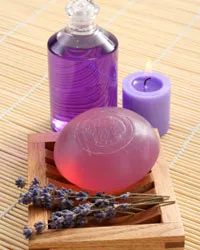
Moisturizers pull weight in one of two ways. They either soak up moisture or deliver it directly. The difference comes down to the ingredient list.
Humectants are the sponges. They hold onto water. You probably already use them. Toothpaste has humectants to stop the paste from drying out in the tube. It’s not just for teeth.
In body washes and cleansers, look for glycerin or vegetable oils. These are your humectants. They do two jobs. They pull water from the air around you. They also pull water up from the deeper layers of your skin, moving it to the surface.
That is why a bar of glycerin soap sweats when it sits out. It is pulling humidity from the room. If your skin feels tight after washing, the humectant might be pulling too much from your own dermis.
Emollients vs Humectants
Emollients work differently. They don’t just attract water. They coat the skin.
Think of them as a seal. They trap the moisture inside so it can’t escape. They also soften the skin by filling in the cracks between cells. This creates a barrier against irritants.
Common emollients include carrier oils, urea, and silicones. Isopropyl myristate is another synthetic option. These ingredients sit on top. They don’t reach down into the skin like a humectant might.
Which Type Does Your Skin Need?
If your current cleanser isn’t working, check the label. Is it heavy with oils or light with glycerin?
Switching categories can make a big difference. People with dry skin usually do better with emollients. The coating helps lock in hydration.
Oily skin types often benefit from humectants. Because they don’t leave a heavy film, they are less likely to clog pores. A heavy emollient might suffocate acne-prone skin. A humectant can hydrate without the grease.
2: Scented or Unscented?

Why Your Daily Body Wash Is a Chemical Cocktail (And What to Do About It)
You buy the bottle because it smells like a vacation. Maybe it’s ocean breeze. Maybe it’s exotic fruit that doesn’t exist in nature. Manufacturers spend millions engineering scents that feel heavenly in the shower stall. The goal is clear: make you want to walk around smelling good for hours.
It’s a marketing win. Unless you’re also wearing perfume.
Try mixing a heavy floral body wash with a citrus cologne. It doesn’t work. It clashes. It smells like a mistake. And even if you skip the extra fragrance, there’s another problem. You might find a cleanser that actually treats your skin type well. Then you realize you can’t stand the smell. Or worse, you love the scent but the stuff doesn’t clean you properly. It leaves residue. It feels sticky.
If you have sensitive skin, the chemicals behind those perfumes can trigger reactions. Redness. Itchiness. Breakouts. Fortunately, unscented options exist. They don’t promise a spa day for your nose. But they give your skin a fighting chance without the irritation.
“Many body cleansers are complicated chemical cocktails that aren’t regulated by the FDA unless they make a medical claim.”
This brings us to the bigger picture. The one we often ignore until we’re older.
Scrubbing Locally, Thinking Globally
Every time you rinse off, those chemicals go somewhere. They flow down the drain. Into the water table. Into the soil. The sheer volume of body cleansing products sold daily means a staggering amount of waste enters our environment.
Most of these ingredients aren’t tested for long-term human health effects. Some are tested on animals. Some are known carcinogens in animal studies. Benzene is one such chemical. It’s in some cleansers. It’s also carcinogenic.
Here’s the catch: soap isn’t strictly regulated by the FDA unless it makes a specific medical claim. Today, “soap” is often a misnomer. Most body washes are complex chemical mixes. They include preservatives. Fragrances. Stabilizers.
The Hidden Ingredients to Watch
You don’t need a chemistry degree to spot trouble. But you do need to know what to look for on the label. Two names appear constantly in discussions about toxic body care.
Phthalates are often hidden under the umbrella term “fragrance.” They’re used to make scents last longer. Studies link phthalates to asthma. Kidney damage. Neurodevelopmental disorders. If you have a child, this is worth paying attention to.
Parabens are preservatives. They keep mold and bacteria out of your lotion or wash. But they can harm the endocrine system. They can enter breast milk. They cause hormonal disruptions. And crucially, they don’t break down when absorbed by the skin. They stay there.
Finding a Safer Alternative
If you’re dealing with allergies, sensitive skin, or just general caution, look for “green” or organic lines. The industry standards for these terms are messy. There’s no single governing body defining “all-natural.”
But a little research goes a long way. Look for products that explicitly list biodegradable, nonhazardous, and eco-friendly ingredients. You aren’t just protecting your skin barrier. You’re keeping those chemicals out of the ground.
It’s not about perfection. It’s about awareness. You can start by checking one bottle in your shower today. Swap one item. See how your skin responds. The planet will notice too.


