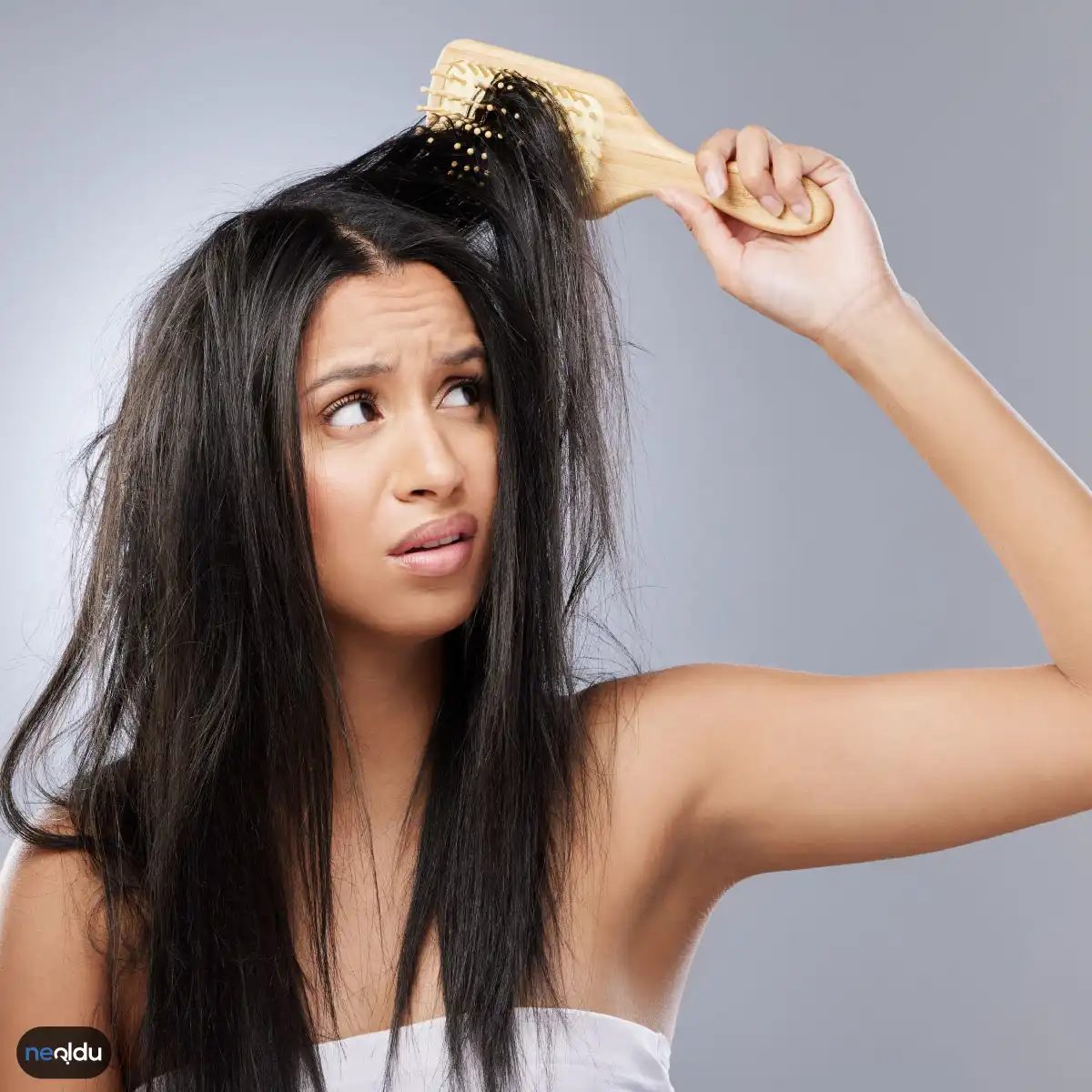
Sun, sea salt, bleach. They all strip your hair of its strength. We all know that feeling: strands that look dull, feel brittle, and snap before you even try to brush them. It is exhausting. Many women spend a fortune on cosmetic products that promise a miracle fix. But why pay premium prices when your kitchen holds the answer?
You can nourish your damaged locks with ingredients you likely already have. These natural masks work differently than chemical treatments. They do not coat the hair; they feed it. We are going to break down why your hair gets this way and show you how to reverse the damage without leaving your house.
Why Your Hair Feels Weak and Lifeless
Hair damage is not just a surface issue. It is structural. The cuticle, which should lie flat like shingles on a roof, lifts and breaks. When that happens, moisture escapes. The shaft becomes porous.
Several factors accelerate this process.
- Heat Styling : Daily blow-drying or flat iron use dries out the cortex.
- Chemical Exposure : Dye and perm treatments break protein bonds.
- Environmental Stressors : UV rays degrade keratin. Chlorine and salt water dehydrate the strand.
- Mechanical Stress : Rough brushing or tight hairstyles cause breakage.
When these factors combine, your hair loses elasticity. It does not bounce back. It breaks.
The Science Behind Natural Hair Masks
Natural ingredients contain proteins, fats, and vitamins. They penetrate the hair shaft more effectively than some synthetic fillers. You are not just adding shine; you are rebuilding the structure.
A good mask does three things:
1. Hydrates : Replenishes lost moisture.
2. Seals : Locks that moisture inside the cuticle.
3. Strengthens : Binds proteins to reinforce the strand.
This is why a simple home recipe can outperform a drugstore product. You control what goes on your head.
Choosing the Right Ingredients for Your Hair Type
Not all natural ingredients work for everyone. Your hair type dictates what you need.
For Fine or Oily Hair
Avoid heavy oils like coconut or castor. They will weigh your hair down. Opt for lightweight ingredients:
– Aloe Vera : Hydrates without grease.
– Apple Cider Vinegar : Balances pH and cleans the scalp.
– Honey : Adds moisture without heaviness.
For Thick or Dry Hair
You need heavy hydration and sealing.
– Coconut Oil : Penetrates deep into the shaft.
– Egg : Provides protein for strength.
– Avocado : Rich in fatty acids for softness.
For Color-Treated Hair
Be careful. Some ingredients can strip color.
– Honey : Helps preserve color while adding moisture.
– Argan Oil : Light and safe for dyed hair.
Check your hair’s porosity. If water beads on your hair, it is low porosity. It needs lighter products. If water soaks in instantly, it is high porosity. It needs thicker oils to seal the moisture in.
How to Apply a DIY Hair Mask Correctly
Application matters as much as the recipe. Many people get no results

Why Your Hair Feels Like Straw
Sunlight, salt water, chlorine, and heat styling tools are not just inconveniences. They actively strip your hair of its protective moisture barrier. When you add in chemical dyes, constant blow-drying, or flat iron use, the cuticle lifts and the inner cortex dries out. The result is brittle, frizzy, and dull strands that snap under minimal tension.
Internal factors play a quiet but significant role here too. Poor nutrition, chronic stress, and hormonal shifts weaken hair from the root. Over-washing with harsh shampoos or piling on too many styling products can also backfire, creating a cycle of dryness that feels impossible to break. If your hair has lost its elasticity, it needs a reset. A consistent natural hair care routine is the most effective way to restore strength and shine without adding more synthetic chemicals to the mix.
How to Restore Damaged Hair with a Natural Mask
You do not need a spa day to fix broken bonds. You need a deep conditioning mask made from ingredients your kitchen already holds. This treatment penetrates the shaft, replenishes lost lipids, and seals in moisture.
The Recipe:
- 1 ripe avocado (for fatty acids and vitamin E)
- 2 tablespoons of raw honey (a natural humectant that draws moisture in)
- 1 tablespoon of extra virgin olive oil (for heavy-duty repair and shine)
- 1 egg yolk (protein and lecithin to strengthen the structure)
The Method:
Mash the avocado until completely smooth. Mix in the honey, olive oil, and egg yolk until you have a uniform paste. Apply this mixture to damp, clean hair, focusing on the mid-lengths and ends where damage is worst. Wrap your hair in a shower cap or warm towel to help the ingredients penetrate.
Leave it for at least 30 minutes. An hour is better. Rinse with cool water. Do not use hot water, or you will cook the egg and leave a gritty residue. Follow up with a gentle sulfate-free shampoo if your scalp feels heavy, or just condition the lengths.
Why This Works
Avocado provides the fats your hair needs to stay supple. Honey is a humectant, meaning it pulls moisture from the air into the hair shaft. Olive oil seals the cuticle, reducing frizz and protecting against further environmental damage. The egg adds protein, which is essential for repairing the structural integrity of the hair fiber.
This is not a one-time fix. Consistency matters more than intensity. Use this mask once or twice a week. If your hair is severely damaged, you may need to stick to this routine for a month before you see a dramatic change.
Beyond the Mask: Practical Habits for Healthier Hair
A mask treats the symptom. Good habits prevent the cause.
- Lower the heat. If you must use a blow dryer or flat iron, set it to the lowest effective temperature. Heat damage is cumulative and irreversible.
- Skip the daily wash. Washing every day strips natural oils. Try washing every two or three days instead. Use a dry shampoo in between if needed.
- Protect your hair from water and sun. Wear a hat in strong sunlight. Rinse your hair with fresh water immediately after swimming in salt or chlorinated water.
The three-ingredient fix for dry, weak ends
You probably have a jar of honey sitting in the back of your pantry and a bottle of extra virgin olive oil in your fridge. You do not need to buy a new serum. You just need to mix them with an egg.
This specific combination targets structural damage. The egg supplies the protein your hair is missing, acting like a glue to reinforce the shaft. The olive oil penetrates the cuticle to hydrate the scalp and boost shine. The honey is a humectant, meaning it pulls moisture from the air and holds it inside the strand. Together, they make hair feel softer and look alive again.
How to actually make and apply the mask
Do not skip the warming step. Cold ingredients feel unpleasant and do not penetrate as well.
- Crack one egg into a bowl. Whisk it until it looks uniform.
- Stir in two tablespoons of olive oil and one tablespoon of honey.
- Place the bowl in a larger bowl of warm water for a minute, or gently warm it in the microwave for 5-10 seconds. It should be warm to the touch, not hot.
- Apply the mixture to your roots first.
- Work it through to the tips. Give your scalp a gentle massage to help absorption.
- Cover your hair with a shower cap. Leave it in for exactly 30 minutes.
- Rinse with lukewarm water. Avoid hot water, which can cook the egg and make it impossible to wash out.
- Rinse until the water runs clear before you even think about using shampoo.
Why damaged hair needs protein, not just moisture
If your hair snaps when you brush it, it is likely lacking structure. Conditioners alone add slip and shine, but they do not rebuild the cortex. That is why this mask works when store-bought deep conditioners fail.
The honey also protects against environmental stress. It creates a slight barrier that keeps the moisture you just added from evaporating. This is why hair looks brighter the next day. The shine is not a coating; it is a reflection off a hydrated, smooth cuticle.
Common mistakes to avoid
- Using hot water to rinse: This is the biggest error. Hot water sets the egg protein. You will be picking out chunks of rubber from your sink. Stick to lukewarm or cool water.
- Applying to clean, freshly washed hair: This mask works best on slightly dirty hair or the day after a wash. Natural oils help the mixture adhere to the strand.
- Leaving it on too long: 30 minutes is the sweet spot. Leaving it for hours does not add more benefit and can make the honey sticky and hard to remove.
Is this better than buying a store-bought repair mask?
For many people, yes. Commercial masks often contain silicones that coat the hair without repairing it. This DIY approach delivers raw nutrients directly to the follicle. It is cheaper, you can control the ingredients, and it addresses the root cause of breakage rather than masking it.
The texture will be different. It is thicker and stickier than a gel. That is okay. It is meant to sit there, not to be a styling
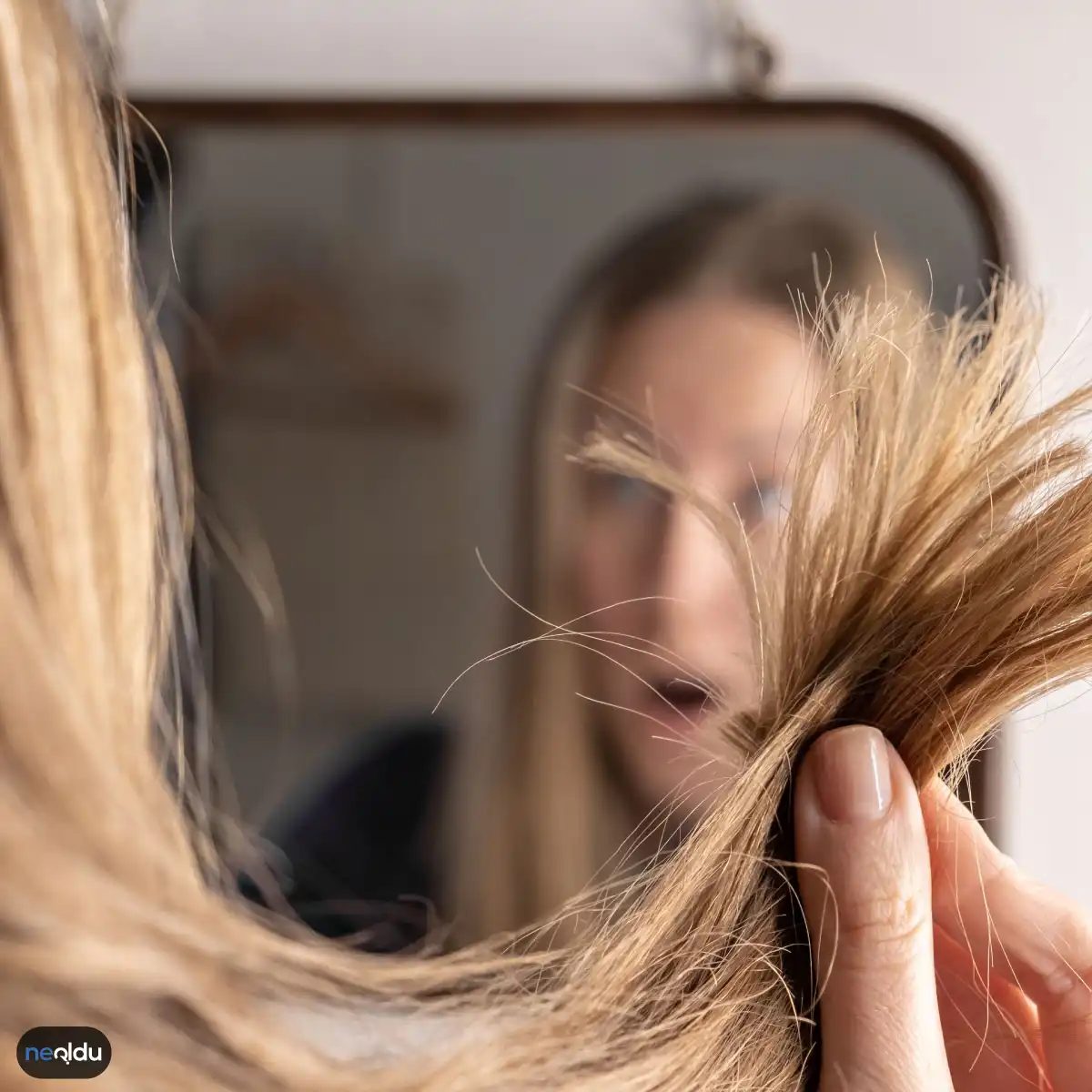
How to fix damaged hair without stripping your budget
The damage is already done. Heat, tension, or just bad product choices have left your strands weak. The fix depends on what broke them, but the recovery path stays the same. You need to stop the bleeding and start feeding the follicle.
Switch to gentle, natural formulas
Check your shower shelf. Sulfates, parabens, and heavy silicones might be the reason your hair feels like straw. They dry out the cuticle and strip natural oils. Look for organic options or products with short, pronounceable ingredient lists. If it smells like a chemistry lab, put it back.
Trim the dead weight
Split ends do not heal. They only travel up the shaft and make the whole strand look broken. Go to the salon every 6 to 8 weeks. Yes, it costs money. No, growing it out won’t fix the damage. A clean cut makes hair look thicker and healthier immediately.
Rehydrate constantly
Dry hair is brittle hair. You need moisture.
– Deep conditioning masks
– Natural oils like argan or coconut
– Leave-in conditioners
Apply these to damp hair. Seal the moisture in. A weekly hair mask is non-negotiable for recovery.
Turn down the heat
Blow dryers, flat irons, and curling wands are slow poison. If you must use heat, lower the temperature. Use a heat protectant spray. Even better, let your hair air dry. Use diffusers for curl. The less thermal shock, the stronger the bond.
Feed your hair from the inside
Your scalp reflects your diet. You can’t out-mask poor nutrition.
– Protein for keratin production
– Omega-3s for scalp health
– Iron and zinc for growth
– B vitamins for cell turnover
Eat eggs, salmon, leafy greens, and nuts. If you are deficient in iron or zinc, your hair will thin regardless of what you apply to it.
Stop pulling on your hair
Tight ponytails, braids, and buns cause traction damage. The constant pull weakens the follicle and breaks the shaft. Wear loose styles. Use soft, non-slip hair ties instead of elastic bands with metal. Let your hair fall naturally. Tension is a silent killer for longevity.
Natural mask application: what you need to know
You can use a natural hair mask at any age. The ingredients are gentle enough for all life stages. You do not need to wash your hair before applying the mask. Apply it to dry or slightly damp hair to let the nutrients penetrate.
How often should you use it? Once a week is the sweet spot. More than that can lead to buildup, especially with protein-heavy masks. Less than that won’t give your hair time to absorb the benefits.
Will the egg smell stay? No. Rinse thoroughly with cool water after the treatment. The smell vanishes completely. If it lingers, you likely didn’t rinse long enough.
Your hair is not dead weight. It is living tissue. Treat it with the same respect you give to your skin or your organs. It will bounce back, but it takes time and consistency.


