Your body changes according to the calendar. The skin becomes dry. Clothes shift. But the hair? Hair hits first. It’s fragile. It reacts to the environment before you feel the cold. This is why hair loss increases with the change of seasons.
Good news? You can stop it. Or at least reduce it to a whisper. All you have to do is adjust your routine.
Here’s how to take care of your hair when the weather changes.
Choose the right shampoo for seasonal changes
The choice of product is important. But also what cannot be seen. Sometimes internal health or hidden stressors weaken your roots. You can’t fix everything, but you can control what goes onto your scalp.
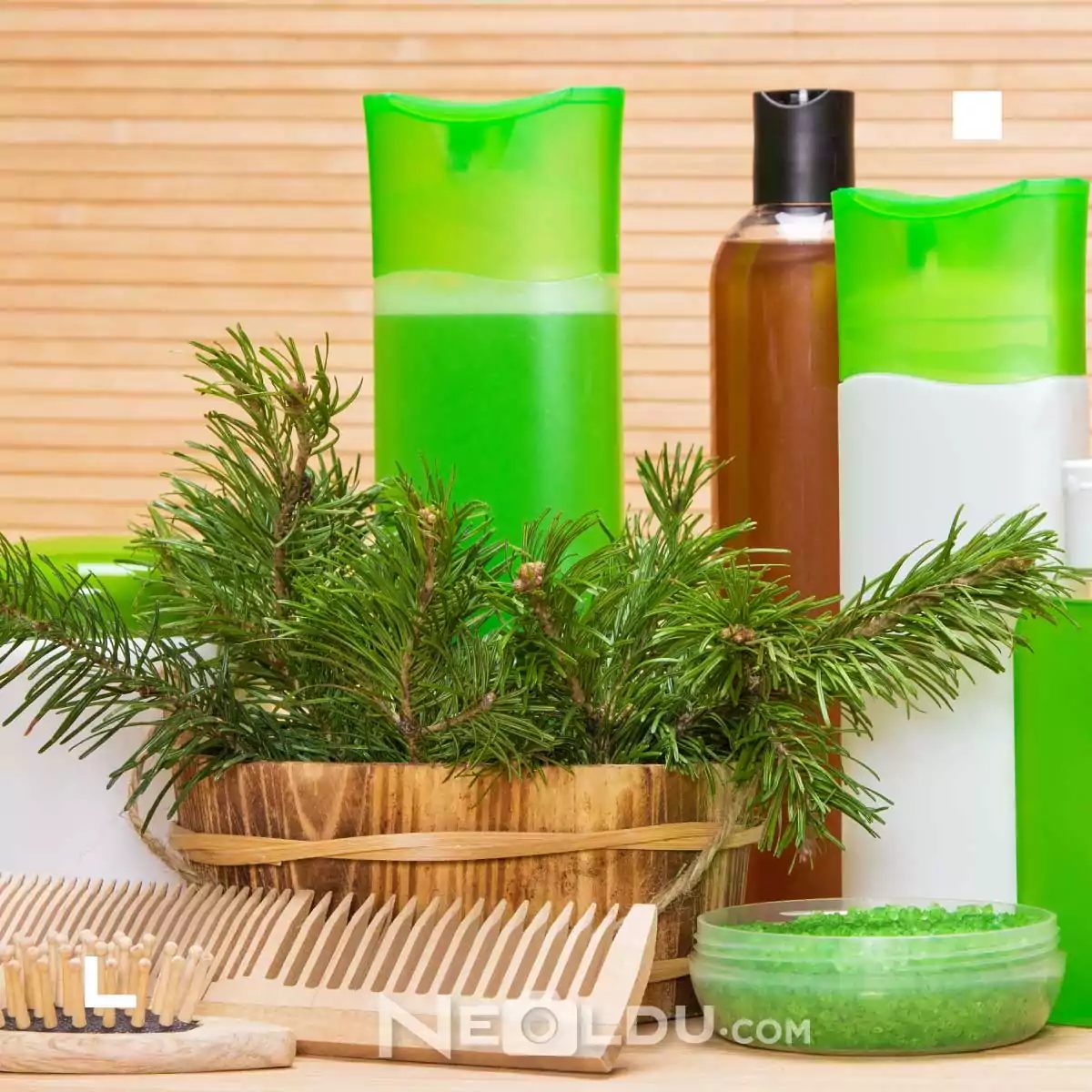
Start with shampoo. Don’t use the same bottle all year round. Look for formulas designed for seasonal changes. Look specifically for an anti-hair loss shampoo that targets thinning.
Experts recommend shampoos that are full of minerals and vitamins. Why? Because these ingredients strengthen the follicle. They form a barrier against environmental shocks caused by fluctuating temperatures. Using the right cleanser is the first line of defense. It stops the damage before it starts.
Use masks and treatments for hair loss
Shampoo cleans. But it doesn’t always nourish deeply. This is where masks come into play. Think of them as an intensive treatment for your hair.
As the seasons change, your hair needs more than surface moisture. It needs structural support. Use anti-hair loss hair masks at least once a week. Leave it on for longer than stated on the bottle. Let the nutrients sink in.
These treatments often contain proteins, biotin or natural oils that mimic the natural structure of the hair. They fill gaps caused by heat, wind or dry air. Consistency is key. You can’t fix a season’s worth of damage overnight. But you can build resilience over time.
Watch what you eat
Hair is not alive. It’s dead keratin. But the root is alive. And the root feeds on what you eat.
When you are stressed, tired, or lacking in nutrients, your body prioritizes your heart and lungs. Your hair is the last thing. As the seasons change, your body works harder to regulate its temperature. It takes more energy.
Eat enough protein. Eat foods rich in iron. Don’t miss out on healthy fats. Omega-3 fatty acids help moisturize the scalp from the inside out. A bad diet cannot be replaced by shampooing. Fix the fuel first.
Be gentle with wet hair
Wet hair is weak. It stretches. It snaps. Seasonal changes often bring rain, humidity or sudden cold showers. Wet hair is vulnerable.
Do not brush wet hair aggressively. Use a wide-toothed comb. Start at the ends and work your way up. Never pull. Never rush.
If you swim in pools that contain chlorine or salt water, rinse immediately. Chlorine removes natural oils. Salt dries the cuticles. Protect your hair from these extra stressors. A simple rinse can save you a trip to the salon later.
Know when to seek help
Sometimes hair loss is not dependent on the weather. It could be hormonal. It could be genetic. It could be a sign of something else entirely.
If you regularly lose more than 100 hairs a day, talk to your doctor

Nature offers a dozen wonders in the form of plants. Each has a specific structure. Each of these offers a specific benefit. You can use olive, jojoba and aloe vera oils for hair care. This will help prevent the seasonal changes from damaging your hair.
You can also minimize the effect of changing weather conditions on your hair by using masks that increase vitality and volume. These masks help against hair loss. You can make them at home. Here is how.
3. Do not neglect scalp massage
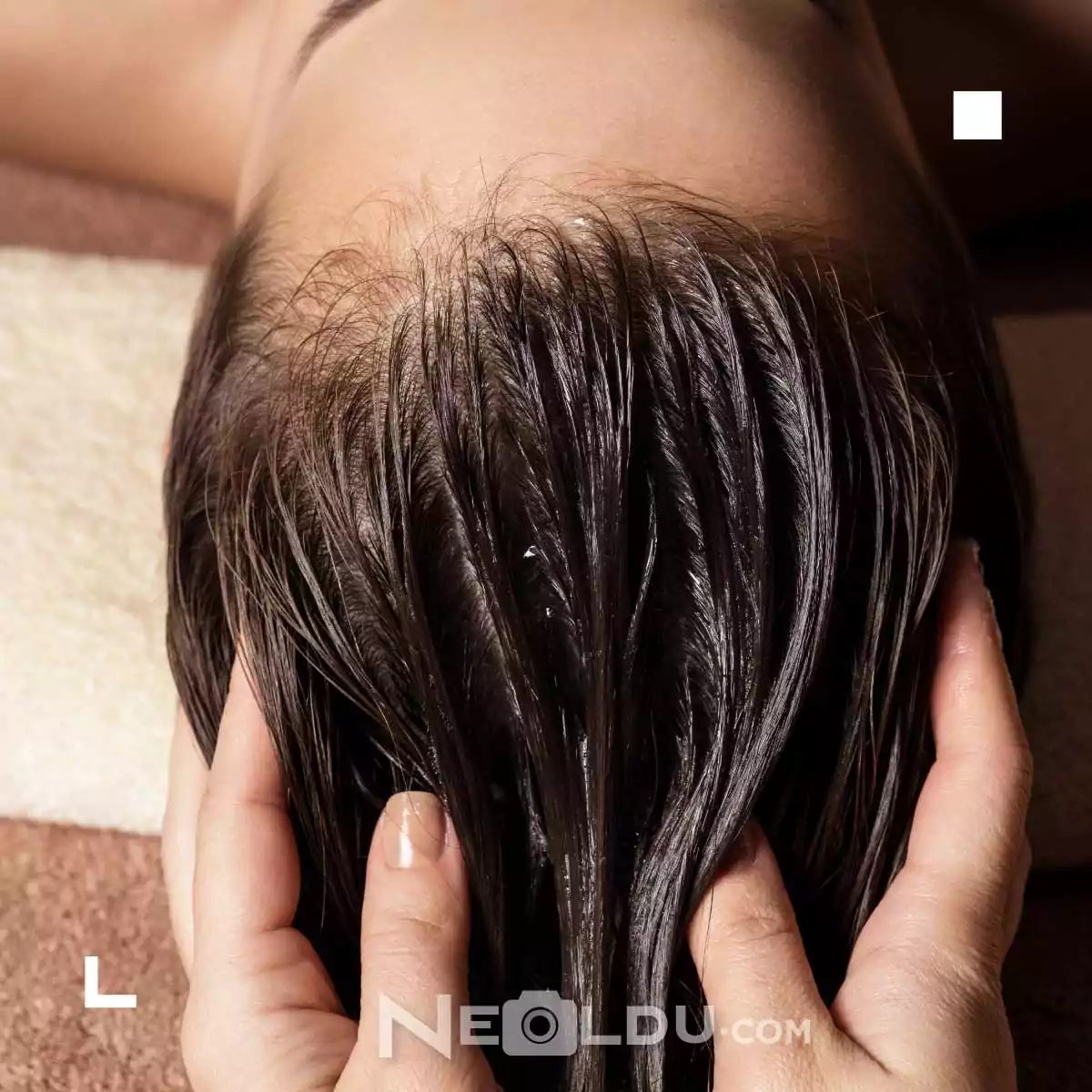
Seasonal changes are the peak time for dandruff and scalp problems. When the temperature changes from hot to cold or vice versa, your hair reacts. The goal is to survive these changes with as little damage as possible. The answer is simple. Massage the scalp with nourishing oils.
This way your hair stays healthy. It also keeps the roots strong.
When you massage in such as onion masks, garlic masks or castor oil, something special happens. The pores of the scalp open. They begin to breathe. This allows the nutrients to work without causing irritation. You can survive the weather change without the usual consequences.
There are many other masks beyond the ones listed here. You can find them below if you want to dig deeper.
4. Pay attention to your eating habits
What you put in your hair matters. What you put in your body is just as important. Hair is not just a surface problem. It is a reflection of inner health. As the seasons change, your body works harder to regulate temperature and immune system function. When your diet is deficient, your hair is the first to pay the price.
Think about your protein intake. Hair is made of keratin, a type of protein. When you don’t get enough protein, your body prioritizes vital organs over hair follicles. Result? Thinning. Fragility. Shedding.
Add iron-rich foods to your plate. Spinach, lentils, red meat. Iron helps red blood cells carry oxygen to the scalp. Less oxygen means slower growth and weaker strands. Don’t forget zinc. Oysters, pumpkin seeds and chickpeas are easy ways to get it. Zinc helps to repair the hair tissue and ensures that the sebaceous glands around the follicles work properly.
Hydration is often overlooked. Dry air in winter or dry heat in summer robs your hair of moisture. Drink enough water to flush your system. Dry skin often leads to a dry, itchy scalp. This itching leads to scratching. Scratching damages the follicles.
Fats are also important. Omega-3 fatty acids keep the scalp moisturized. They also support the health of the oil glands. Fatty fish, walnuts and flaxseeds are good sources. Skip processed sugars for a while. High sugar intake can trigger inflammation that can disrupt the hair growth cycle.
Eat for your hair. It’s not just about looking good. The point is to give your body the tools it needs to continue growing strong, healthy hair, even in the chaos of changing weather.
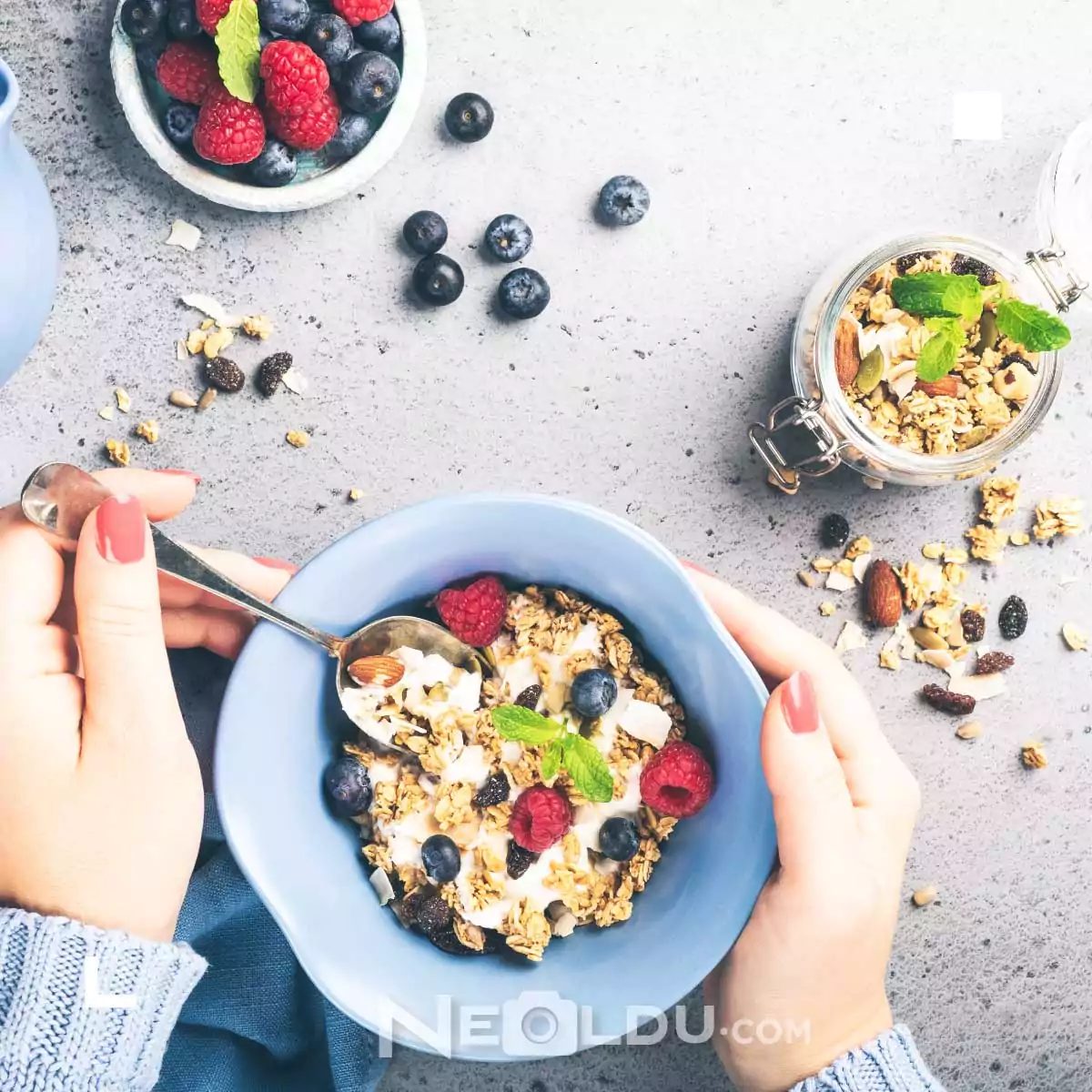
### 5. Try a DIY Hair Mask at Home
The Kitchen Connection
Healthy eating habits don’t just dictate your energy levels or weight. They dictate the health of your hair. If you want strong, shiny locks, you have to look at what’s on your plate.
The right nutrients, consumed at the right time, protect your hair from the inside out. Protein is non-negotiable.
Think red meat. Eggs. These are the building blocks of your hair strands. Without them, things get weak. Fast.
Seasonal transitions are brutal on the body. That’s when experts stress nutrition the most. It’s not just about beauty. It’s about defense. A nutrient-rich diet helps shield you from illness while keeping your follicles robust.
Why Masking Matters
But food is only half the battle. External care matters too.
Especially during those awkward weather shifts. Cold air. Dry heat. Wind. They strip moisture.
A simple hair mask applied at home can counteract that damage. You don’t need expensive salon products. You need intention.
How to Make It
Here’s the practical part.
- Hydration: Use ingredients high in natural oils. Coconut oil. Argan oil. Olive oil.
- Protein Boost: For damaged hair, add an egg yolk. It mimics your hair’s structure.
- Frequency: Once a week is enough. More can weigh it down.
Apply it to damp hair. Leave it on for twenty minutes. Rinse with cool water.
Hot water strips the oils you just applied. Cool water seals the cuticle.
It’s a small ritual. But consistency beats intensity.
The Bigger Picture
You can’t mask out bad habits entirely. But you can mitigate them.
Pair that weekly mask with the protein-heavy meals we talked about. Eat your red meat. Eat your eggs. Then treat your hair like the asset it is.
Not an afterthought.
The results aren’t instant. But they are cumulative.
Start tonight.
6. Don’t skip hair care oils
In research, Hair masks are always at the top of the list of methods that keep hair healthy. You don’t have to spend a fortune at the salon to enjoy these benefits. Natural plant extracts such as olive, jojoba, argan and castor oil can be used for effective treatments right at home. These masks help prevent damage during seasonal changes. However, before you start mixing bowls full of ingredients, it’s wise to ask a professional if your hair type can handle it.
When it comes to oils, ignoring them is a mistake. The benefits of using hair care oils are significant, especially when the seasons change. They balance moisture. They add shine. They make the hair softer and easier to shape, making it look more comfortable and voluminous. They also help prevent breakage and fall-out, repairing damage while promoting healthier growth.
Which oil should you choose? Argan, almond, jojoba, violet, lavender and coconut are all strong candidates for combating seasonal hair problems. Used correctly, they can practically eliminate common problems.
7. Always use a leave-on cream after showering
The damage doesn’t stop when you turn off the water. In fact, wet hair is the most vulnerable. Conditioner or hair cream to be left here is no longer negotiable.
Think of it as a protective shield. You’ve just cleaned your cuticles and exposed them to the elements. A leave-in cream will reseal the cuticles and lock in the moisture you just applied. It reduces friction when drying hair, which reduces breakage later in the day.
Most women skip this stage and run out the door. But the difference in the texture of the evening is the difference between day and night. Unsealed hair tends to frizz when exposed to moisture. Hair treated with a high-quality cream left on the skin stays smooth. It manages better. It seems to have a life of its own.
You don’t need a heavy, greasy product. Usually a small amount applied to the mid-lengths and ends is enough. Focus on the parts with the most wear and tear – the tips. The roots can handle being lighter.

It starts with a warm shower. You wash away the day, but the damage often starts within minutes. Nourishing cream use after washing is not just about softness. It’s about cleansed hair with important ingredients. These creams balance the moisture level of the scalp. They provide relief. They nourish the roots and pave the way for thicker, fuller strands. They also add body. Your hair will look full instead of flat and lifeless.
But the conditioning is only half the battle. Equally important is how you handle your hair when it’s wet and how you care for it on a daily basis.
Stop using high-heat tools immediately
Think about your routine. Do you blow dry your hair? Do you use straighteners or curlers on high settings? Stop.
High heat is the enemy. It pushes moisture away from the hair shaft. As soon as the moisture disappears, the hair becomes brittle. It breaks. It dries up. It falls out more easily than healthy hair.
Try another approach. Use a towel. Carefully squeeze out the water. Pat dry. It takes longer, sure. But your hair will thank you. Heat causes split ends and structural weakness. Drying with a towel is gentle. It maintains the integrity of the strand.
Choose your comb wisely
Combs are deceptive. They look harmless. They are not.
If you have thick, coarse hair, a fine-toothed comb is a disaster. It snags. It pulls. It pulls the hair out at the weakest point. Breakage follows.
Switch to a wide-toothed comb. Or a comb with thick, widely spaced teeth. It glides through tangles effortlessly. It reduces the stress on the follicles.
If your hair is fine and soft, a finer comb may work. But test it. If it drags, switch back. The goal is minimal tension. Less pull means less fall.
Wash your hair less often in the summer
Summer brings sweat. It brings salt water. It brings chlorine from pools. Your instinct? Wash it off immediately.
No.
Washing your hair too often removes the natural oils. These oils protect the scalp. They keep the hair flexible. If you wash in heat every day, you lose this protection. The scalp becomes dry. Hair becomes brittle.
Wait a day or two. Let the natural oils do their work. Use a gentle shampoo. Focus on the scalp, not the ends. Rinse thoroughly with cold water to close the cuticles. This simple change can significantly reduce damage.
The real culprit: stress and diet
You can do everything right with products and tools. But when your body is empty, your hair pays the price.
Stress triggers telogen effluvium. Then the hair follicle enters the resting phase. They stop producing new hair. Old hair falls out. It happens after major life events. After intensive work phases. After the emotional upheaval.
It’s not just stress. It’s what you eat.
Iron deficiency is a silent killer of hair volume. Women especially suffer from iron deficiency. Low iron means less oxygen to the follicles. Hair becomes thinner. It falls out.
Zinc and protein are also important.

Summer heat is different. You want to rinse off. You want the cool shock of water. It feels necessary. But for your hair, this daily ritual can do more harm than good.
If you shower every day, especially in the heat, you are likely to lose your scalp’s natural protection. To stay healthy, your hair depends on a balance of oils and moisture. If you wash it every day, this balance will be thrown off. The sebum that protects your hair is washed away. Result? Hair that can’t nourish itself.
Hidden costs of daily washing
It’s not just about the dryness. It’s about structural integrity. Without these natural oils, hair becomes brittle. You may notice extra breaks in the shower drain. Or see increased shedding on your pillowcase. The scalp also reacts. It gets itchy. It flakes. Dandruff occurs when the skin’s protection is weakened.
Daily hair washing in summer strips essential oils, which leads to hair breakage, dandruff and an itchy scalp.
It’s a paradox. You will feel cleaner. Your hair feels worse.
Try another approach
You don’t have to give up hygiene. Just change the target. Instead of focusing the water on your head, let it run down your body. Keep the water cool. It soothes the skin. It refreshes you. But it leaves your hair alone.
Your hair doesn’t get as hot as your skin. It doesn’t sweat the same way. By reducing the frequency of washing, you allow the scalp to regulate itself. The oil stays where it belongs. Strength returns. Breakage slows down.
This is not about laziness. It’s all about understanding what your hair really needs. Heat requires cooling, yes. However, daily cleaning of the strands is not necessary. Let the water hit your shoulders. Let it hit your back. Let the top of your head rest.
The difference is subtle at first. Then, over weeks, the texture changes. The itching subsides. The snaps in the brush become rare.


