


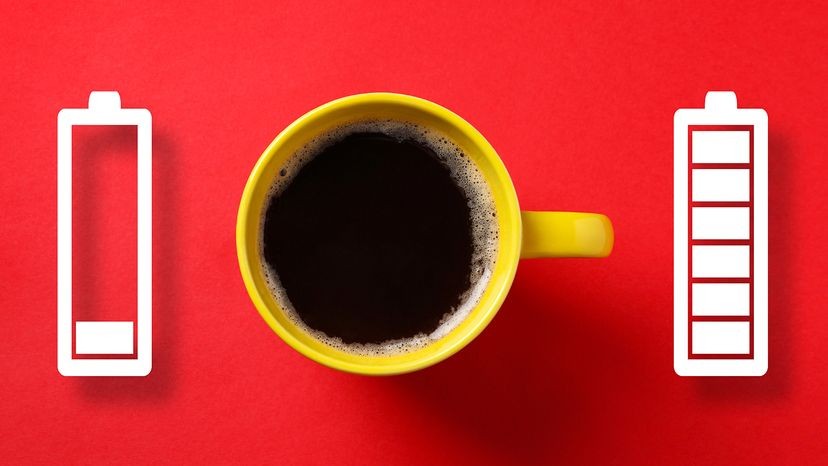
Most energy drinks hit you like a sledgehammer. That’s the problem with the current market. You’re chasing focus, but you get a jittery heart rate instead. The real shift is happening in the low-caffeine energy drinks space. It’s not about killing the buzz entirely. It’s about finding that sweet spot where you actually feel awake without feeling wired.
Caffeine content swings wildly. You might see 50 or 90 mg in a moderate can, but aggressive brands push 200 to 300 mg. That difference changes everything. A recent study noted in PubMed looked at a 355 mL can with roughly 53 mg of caffeine. Healthy volunteers? No spikes in blood pressure, no heart rate changes, no endothelial stress. That doesn’t mean every can is a health elixir. Sugar and other stimulants still lurk in the shadows. But for many women, the goal isn’t a sugar rush. It’s steady energy. It’s taste. It’s focus without the crash.
The smart move is to look past the neon labels. Compare the caffeine. Check the sugar. Look at the concept. If you want to cut through the noise, here are the six picks that actually make sense for a modern lifestyle.
Why V8 Energy Works for Savory Palates
V8 Energy is a standout because it strips away the candy-store vibe. It combines green tea-derived caffeine with actual fruit and vegetable juice. The result? A natural ingredient story that doesn’t feel processed.
A standard can holds 80 mg of caffeine. That’s significantly lower than Bang, Celsius, or those pre-workout style monsters that demand you take half a scoop. It also brings in B vitamins, which help your body turn food into usable energy. Flavors like peach mango and orange pineapple feel refreshing rather than overly sweet.
If you want to avoid the coffee-like taste and skip the wall of caffeine energy, this fits the low caffeine concept perfectly. It’s a reminder of why green tea extract keeps showing up in top-tier conversations. It’s smoother. It’s cleaner.
Red Bull Zero: The Reliable Standard
Red Bull remains a household name for a reason. The Zero or Sugarfree versions are often the easiest lower-dose options to find in any grocery store.
That classic 8.4-ounce can carries 80 milligrams of caffeine. It’s firmly caffeinated, yes. But compared to Monster Energy, Rockstar, C4, Fast Twitch, Alani Nu, and Bang, it sits at the bottom of the high-caffeine pyramid. The market is full of bigger cans that make moderate doses look small by comparison. Red Bull leans on taurine and B vitamins for its effect. The brand has also made flavor almost as important as the energy itself, with endless special editions.
If you need zero sugar, zero calories, and a quick, predictable boost, Red Bull Zero is a solid starting point.
Ice +Caffeine: Crisp and Light
Ice +Caffeine sits in a sweet spot for those who want low-caffeine energy without the heavy body feel. At about 70 mg of caffeine, it delivers a moderate lift. It also adds daily vitamins, which makes it feel more polished than drinks chasing a “loud” image.
This is the can for someone who wants energy without syrupy sweetness. In a category where “sugar-free” often turns into a harsh, chemical taste, Ice +Caffeine stays crisp. It’s refreshing. It’s a useful reminder that not every energy beverage needs to mimic Mountain Dew or the candy aisle. Sometimes a cleaner taste is the entire point.
Aspire Healthy Energy: Flavor That Lasts
Aspire Healthy Energy Drinks bring 80 milligrams of natural caffeine per 12-ounce can. That places them right near Red Bull and V8 Energy in practical use. They are sugar-free and low in calories. The flavor lineup is extensive: fruit punch, strawberry watermelon, mixed berry, raspberry acai, mango lemonade, and sweet cherry.
Taste is usually what separates a one-time trial from a permanent fridge staple. If you like something that feels sweet without the weight of high fructose corn syrup, Aspire is built for that.
The brand fits the low-caffeine concept better than many rivals. It keeps the caffeine per ounce lower than the current market norm. For shoppers comparing cans side by side, that can make Aspire an ideal choice.
Matcha and Green Tea: Focus Over Frenzy
Matcha and other green tea drinks are often the most natural entry point into low-caffeine energy. They usually land in the 30 to 70 mg range. More importantly, they naturally pair caffeine with L-theanine. Studies show this combination is associated with calm, focused alertness.
That mix is why green tea-based drinks are linked to boosted focus rather than a jittery blast. Some versions add ginger root, guarana seed, or ginseng. Adaptogens like Rhodiola rosea are also marketed as tools to help the body adapt to stress and reduce fatigue.
If you care as much about mental clarity as raw energy, this category deserves a look. It’s less about a huge spike. It’s about a steady lift that feels easier to handle than high-caffeine energy drinks.
Guayaki Yerba Mate: The Tea Alternative
Guayaki Organic Yerba Mate is often marketed as a healthier alternative to traditional energy drinks. Yerba mate provides natural caffeine and antioxidants. The drink itself is less aggressive in flavor and carbonation than mainstream cans.
That smoother profile is appealing if most energy drinks feel overly sweet or too fizzy. Non-carbonated options like Organic Enlighten Mint show how different energy drinks can change the experience. The goal remains the same: more energy, more focus, and a more controlled boost.
For people who like tea more than soda, Guayaki can be a better fit. It doesn’t try to taste like black cherry candy or blue raspberry syrup. And that’s exactly why it works.
There’s no magic pill here. Just better choices. You start noticing the difference when you stop chasing the highest number on the label.
Finding Your Caffeine Middle Ground
You don’t always need a jolt that hits like a freight train. Sometimes you just need a nudge. That is where Zevia Zero Calorie Energy fits in.
It is not technically low-caffeine in the traditional sense. You are looking at 120 milligrams per can. But in a landscape dominated by 200-milligram giants, that number feels surprisingly modest. It sits right between the punch of a Red Bull and the heavy lift of Monster or Bang. If you are trying to cut out sugar and carbs, Zevia uses stevia. It keeps the calories at zero. The trade-off? Stevia has a distinct taste. Some people love it. Others find it bitter. You will know before you finish the can.
Monster Ultra takes a similar route. It contains 150 milligrams of caffeine. It is not low-caffeine energy drink material if you compare it to the 50–90 milligram sweet spot. But it is lighter than the original Monster. It is sugar-free. It gives you that familiar crisp taste without the sticky sweetness of the classic formula. If you want the brand you know but with better macros, this is the logical branch. It is not the best option for strict caffeine limits. It is a compromise.
Functional Energy and Niche Flavors
Then there is Jocko Go. It uses monk fruit instead of stevia. The focus is on balanced energy and focus. Think functional beverage. Think less party can, more workday companion. It has ingredients like taurine and ginseng. It is part of a larger trend. Newer drinks are trying to combine natural sweetness with controlled energy. They are moving beyond the old Red Bull versus coffee debate.
Niche picks are everywhere now. Naked Energy stands out because some versions have only six ingredients. Fermented sugar. Monkfruit. Nothing mysterious. If you are tired of reading labels with twenty unrecognizable chemicals, this feels like a breath of fresh air.
The flavor wars are intense. Lucky Energy has names like Son of a Peach. C4 and Ghost go for candy-inspired tastes. Gatorade Fast Twitch tastes like a watermelon sports drink. One person wants lemon-lime. Another wants blue raspberry. The best energy drinks for your morning routine may come down to flavor preference. Not just caffeine content.
What to Watch for When Comparing Cans
Start with the caffeine. This is the non-negotiable first step.
Low-caffeine options usually sit between 50 and 90 milligrams. Compare that to the heavy hitters:
- Monster Energy and Rockstar: 160 milligrams in a 16-ounce can.
- Red Bull: 80 milligrams in 8.4 ounces.
- 5-Hour Energy: 200 milligrams in a tiny 2-ounce shot.
- Celsius, C4, Gatorade Fast Twitch, Alani Nu: 200 milligrams in 12 to 16 ounces.
- Bang: Up to 300 milligrams in 16 ounces.
Then look at sugar and sweeteners. Some brands still use high-fructose corn syrup. Others use sucralose. Some use stevia or monk fruit. This changes the calorie count. It changes the taste. It changes whether you feel a clean boost or a sugar crash later.
Check the ingredient panel. Most cans have taurine. Guarana seed. Green tea extract. Herbal extracts like ginseng and ginger. Electrolytes. Vitamins B3, B5, B6, and B12.
The National Institutes of Health notes that energy drinks often stack caffeine with these extras. Guaranine, taurine, and B vitamins work together. But the science on how they actually impact your body long-term is still developing. Read the labels. Know what you are putting in.
Finally, buy the flavor you will actually drink. It sounds simple. It is often ignored. A can can be zero-sugar. Zero calories. Packed with vitamins. If the taste is bad, it sits in your pantry. Unopened.
We created this article in conjunction with AI technology, then made sure it was fact-checked and edited by a HowStuffWorks editor.

