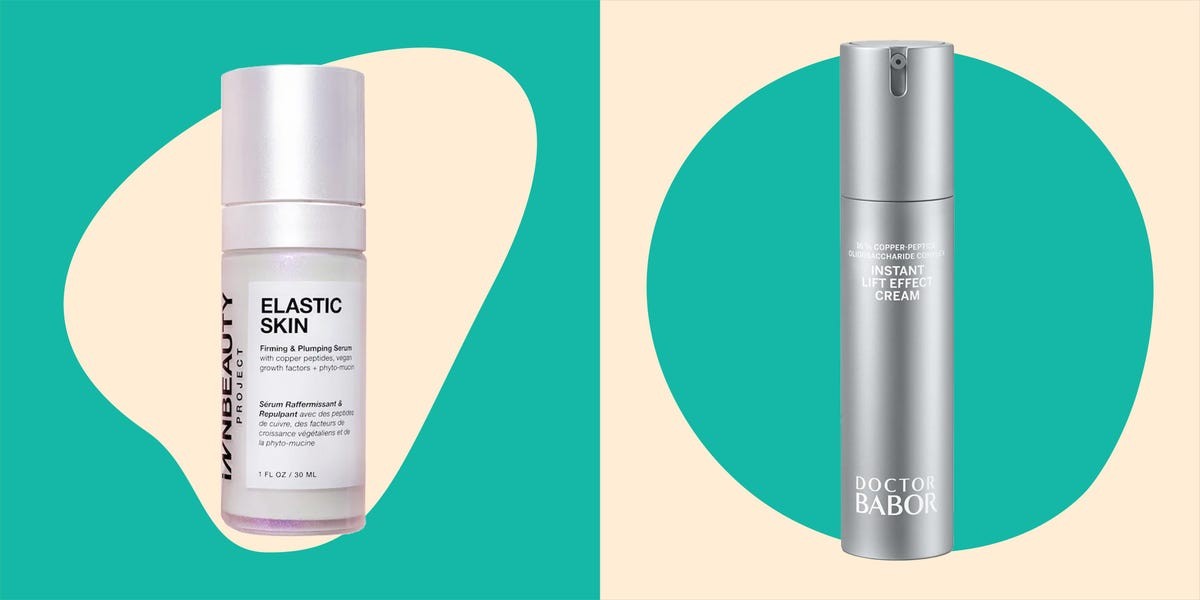
As skin begins to age—typically starting around the mid-20s when collagen production begins to decline—many people look for alternatives to invasive procedures like Botox or fillers. While “gold standard” ingredients like retinol and Vitamin C dominate the conversation, a different ingredient is gaining significant traction on social media and in dermatology clinics: copper peptides.
But are they a miracle cure or merely a trend? To understand their true value, we must look at how they function at a cellular level and how they fit into a modern skincare regimen.
What Are Copper Peptides?
Copper peptides (often referred to as GHK-Cu ) are “skin-signaling” molecules. They consist of a small peptide bound to copper, a mineral that the body naturally utilizes for tissue regeneration and repair.
Rather than acting as a harsh corrective agent, copper peptides act as messengers. They “instruct” the skin to engage in essential biological processes, including:
– Wound healing and tissue repair.
– Collagen and elastin production to improve firmness.
– Barrier recovery to strengthen the skin’s protective layer.
How They Work: Repair vs. Transformation
It is important to distinguish between corrective ingredients and supportive ingredients.
Dermatologists note that while copper peptides show impressive results in improving skin laxity, elasticity, and density, they serve a different purpose than heavy hitters like retinoids. While retinol forces rapid cell turnover, copper peptides focus on skin longevity. They reinforce the skin’s natural ability to heal and defend itself against environmental stressors.
“Copper peptides are about supporting skin function, not chasing short-term results,” explains dermatologist Dr. Alexis Granite. “They help reinforce the processes that naturally decline with age: repair, resilience, and structural integrity.”
Copper Peptides vs. The “Gold Standards”
If you are building an anti-aging routine, you might wonder if copper peptides replace your existing products. The short answer is no.
| Ingredient | Primary Function | Role in Routine |
|---|---|---|
| Retinol | Promotes cell turnover; stimulates collagen. | Foundational/Corrective |
| Vitamin C | Antioxidant protection; brightens pigmentation. | Foundational/Protective |
| Copper Peptides | Supports repair, elasticity, and barrier health. | Supportive/Maintenance |
Rather than competing with these ingredients, copper peptides are designed to complement them by improving the skin’s overall ability to maintain its structure.
How to Use Them Safely
Because copper peptides are highly specialized, they require a strategic approach to application to avoid irritation or product destabilization.
1. Avoid Acidic Conflicts
Copper can be destabilized in highly acidic environments. This means you should be cautious when layering copper peptides with:
– High-strength Vitamin C (L-ascorbic acid).
– Strong Alpha Hydroxy Acids (AHAs).
– Intense retinoids like tretinoin.
2. Start Slowly
For those with sensitive or reactive skin, dermatologists recommend a “slow introduction” method. Instead of daily use, try alternating nights to see how your skin responds to the increased signaling activity.
3. Optimize Timing
Since the skin enters its natural repair mode while we sleep, applying copper peptide serums or creams at night is often the most effective strategy.
The Verdict
Copper peptides are not a “quick fix” for deep wrinkles or intense hyperpigmentation. Instead, they are a sophisticated tool for anyone prioritizing skin resilience and long-term health. They are best suited for those looking to support their skin’s natural repair mechanisms and maintain a firm, healthy complexion over time.
In short: Think of copper peptides as the “maintenance crew” for your skin—they ensure the foundation remains strong and capable of repairing itself.