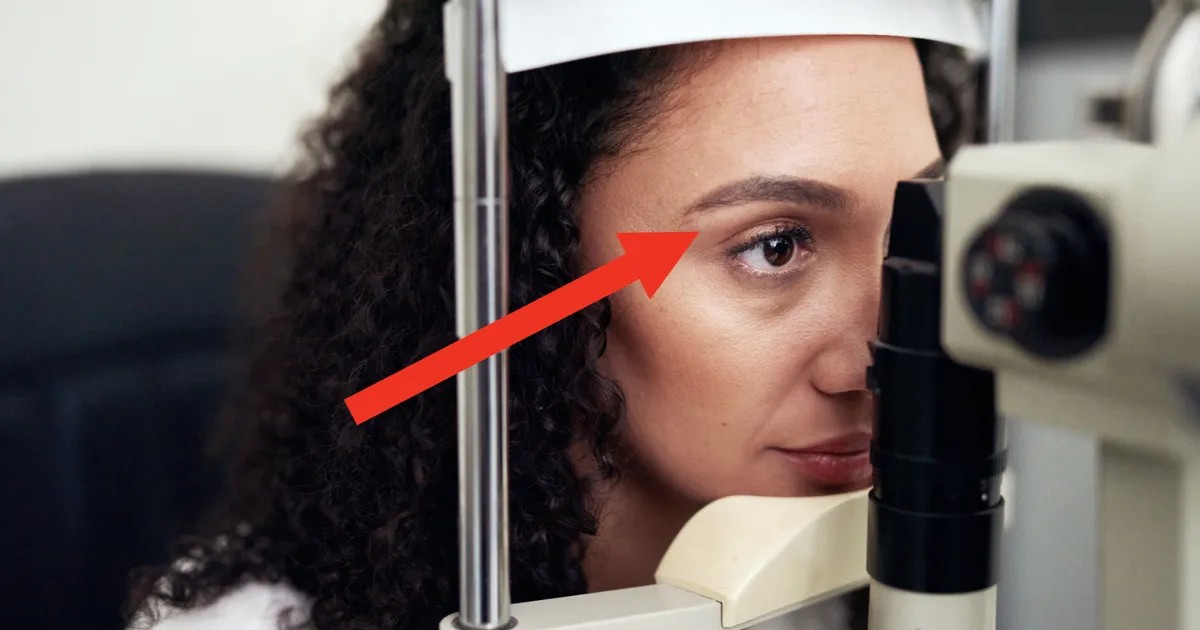
While we often think of eye doctors solely as specialists for vision correction or cataracts, the eyes serve as a unique biological window. Because the blood vessels in the retina are among the only microvasculature in the human body that can be observed non-invasively, ophthalmologists are often the first to detect serious systemic health issues.
Many of these conditions—ranging from hypertension to neurological masses—can be asymptomatic in their early stages. By the time a patient feels “sick,” damage may already be underway. This makes regular eye examinations a critical component of preventative healthcare.
1. High Blood Pressure (Hypertension)
The eyes provide a direct look at how your cardiovascular system is functioning. Consistently high blood pressure can cause the walls of the small arteries in the eye to become thick and stiff.
- What doctors see: Doctors may observe “tortuosity” (unusual curving of the blood vessels) or see arteries squeezing against veins. In severe cases, this can lead to a retinal vein occlusion, a blockage that can cause sudden vision loss.
- Management: Treatment focuses on stabilizing blood pressure through lifestyle changes—such as diet, exercise, and stress reduction—and medical intervention to prevent permanent vascular damage.
2. Diabetes
Diabetes affects the integrity of the eye’s delicate blood vessel network. High blood sugar can damage pericytes, the cells responsible for maintaining the structure of the retinal microvasculature.
- What doctors see: When these cells fail, blood vessels can become “incompetent,” leading to microaneurysms (small bulges) or visible red dots caused by leaking vessels.
- Management: Controlling blood sugar and blood pressure is the primary defense. If vision changes occur, doctors may use specialized injections to reduce vessel leakage and prevent abnormal new vessel growth.
3. Glaucoma: The “Silent Thief”
Glaucoma is a group of conditions that damage the optic nerve, often due to internal eye pressure. It is notoriously difficult to detect early because it typically presents no symptoms until significant damage has occurred.
- What doctors see: During an exam, specialists look for increased intraocular pressure, changes in eye shape or color, a thinning cornea, or the presence of blind spots.
- Management: While vision lost to glaucoma cannot be reversed, early detection is vital to slowing or stopping the progression of the disease.
4. Demodex Blepharitis (Eyelid Inflammation)
Not all health warnings are systemic; some are localized but equally persistent. Demodex blepharitis is caused by an overgrowth of microscopic mites living in the eyelash follicles.
- What doctors see: A key indicator is the presence of “collarettes”—small amounts of eye crust or debris along the eyelid margin.
- Management: This condition rarely resolves on its own. Fortunately, FDA-approved prescription eye drops are available to eliminate the mites.
5. Brain Tumors or Masses
Perhaps the most critical finding an ophthalmologist can make is evidence of increased pressure within the skull.
- What doctors see: A mass or tumor can increase cerebrospinal fluid pressure, leading to papilledema (swelling of the optic nerve).
- Management: If swelling is detected, doctors use visual field tests to locate the abnormality and will refer the patient for an MRI and consultation with neurology or oncology teams.
6. Autoimmune Diseases
Inflammation in the eyes—whether in the front or the back—can be a “red flag” for various systemic autoimmune conditions.
- What doctors see: Symptoms like light sensitivity, redness, eye pain, or decreased vision may signal underlying issues such as lupus, rheumatoid arthritis, syphilis, or lymphoma.
- Management: Treatment often begins with steroid drops to manage inflammation, followed by an autoimmune workup and coordinated care with a specialist.
Summary of Care
The frequency of eye exams depends heavily on your medical history. While a healthy individual should ideally visit an eye doctor once a year, those with existing conditions like diabetes may require monthly monitoring to prevent complications.
Conclusion: Because many life-threatening or sight-threatening conditions are asymptomatic in their early stages, routine eye exams are a vital tool for early detection and long-term health management.