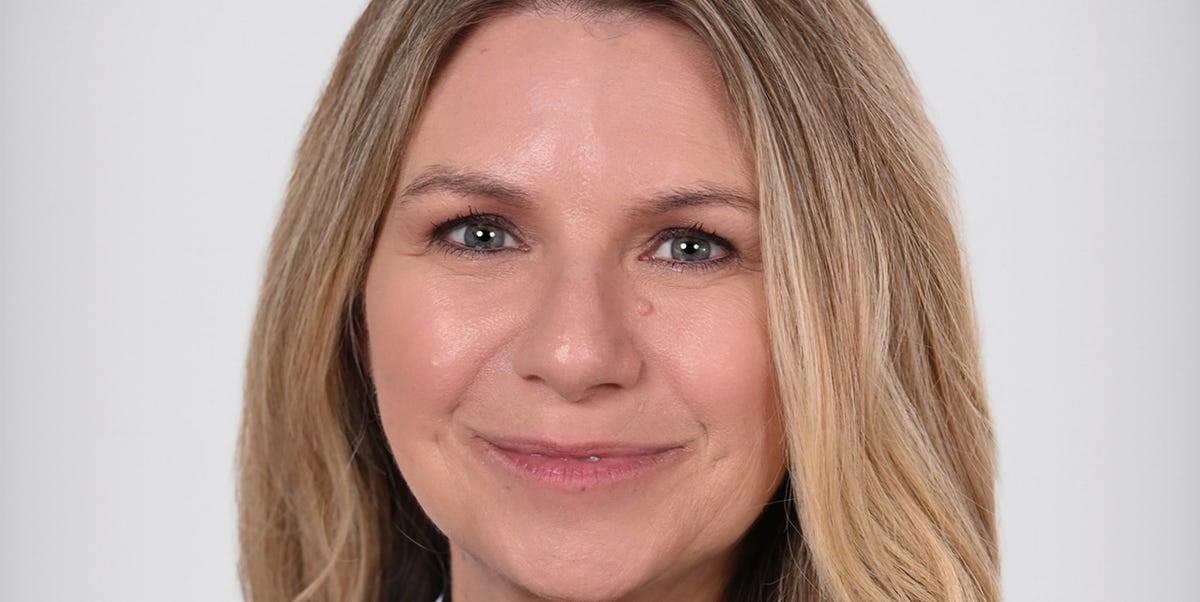
“The vast majority of cases are captured late. Way too late.”
This is not an academic paper. It is a warning from the field. Leslie Randall, a gynecologic oncology director in Fairfax, Virginia, has spent her career fighting ovarian cancer. She says the biggest enemy isn’t always the biology. It’s ignorance. Or apathy. We don’t talk about this enough.
Ovarian cancer gets away with being called the “silent disease.” A misleading label. It whispers before it screams. There is no reliable screening test. No simple Pap smear for ovaries. Subtle signals go unnoticed. Until it spreads.
The cost of silence is high. Ovarian kills more women from gynecologic cancers than any other type. In 2023 (not 2025 yet), the World Health Organization estimated roughly 223,000 deaths globally. Devastating isn’t the word. Brutal.
Genetics Don’t Lie
You don’t need bad genes to get sick. Anyone with ovaries is at risk. But genetics matter. They shift the odds.
Family history is a huge clue. If it’s in the family, listen. About 25 percent of these cancers stem from inherited mutations. We talk about BRCA1 and BRCA. But it’s bigger. RAD51C. RAD51D. BRIP1.
Here is the kicker: 34 percent of patients who eventually got ovarian cancer never had genetic testing. That’s according to a global survey tied to GSK’s initiatives. A massive missed opportunity.
Other risk factors pile on top:
– Previous breast cancer.
– Endometriosis.
– Age. Most diagnoses happen after menopause.
– Reproductive history. Early periods? Late menopause? Never getting pregnant? That’s more time ovulating. More time risk accumulates.
A 2024 study also flagged long-term estrogen-only hormone therapy. It raises your odds. Dr. Randall is clear. Know your history. Tell your doctor. Routine care matters.
Listen to the Noise
Most of us are diligent about mammograms. We get our cervix checked. Then we ignore our guts.
There is no test to catch it early. So you have to rely on your body. The symptoms are annoying. Vague. Easy to dismiss as stress. Or PMS. Or just “getting older.”
Dr. Randall points to two big ones.
1. Bloating.
2. Early satiety. That’s the medical term. You eat two bites and you’re done.
Also watch for:
– Pelvic pain.
– Frequent urination.
– Back pain.
– Bowel changes.
Is it IBS? Maybe. Is it perimenopause? Possibly. But persistence is the red flag.
“If it escalates or lasts more than two or three weeks,” she says, “get it checked.” Don’t wait. Why do we wait?
Your Treatment Isn’t Generic
Diagnosis hits hard. Imaging. Blood tests. Biopsies. The report tells you what type of tumor you have. This detail is everything. Biology dictates strategy.
Too much info hits patients at once. Seventy-three percent don’t feel empowered to handle their diagnosis. That survey number again. Fear paralyzes. Talk to your team. Ask questions. Early.
Surgery removes the mass. Chemotherapy cleans up. But that’s the skeleton of care. The flesh is specific to you.
- Where did the cancer start?
- How advanced is it?
- What’s in your DNA?
Doctors look at biomarkers now. Genetic targets. This allows for precise attacks. Targeted drugs. Immunotherapy. Better outcomes. Fewer side effects.
Staying Ahead of Recurrence
The old way? Watch and wait. Finish chemo. Hope it stays away.
That doesn’t work well. The recurrence rates are ugly.
– Stage 1 patients: ~20 percent chance of return.
– Stage 3 or 4: 80 percent.
Eighty.
That’s why maintenance therapy exists. It’s not a cure. It’s a hold. Targeted meds like PARP inhibitors keep the disease at bay. They buy time.
“The goal is to extend the benefit,” Dr. Randall explains. “To keep quality of life high.”
But who gets what? It depends. Your genes. Your health. Whether you want pills or IV drips. There is no cookie-cutter answer. It requires a nuanced plan. A thoughtful one.
Reasons for Caution, Not Doom
The stats are still bad. But the trajectory? Improving.
Mortality has dropped 40 percent since the 1970s. Most of that progress in the last twenty years. Research is moving fast. Innovative work is happening.
Dr. Randall sees a better path, but only if we push for it.
– Better screening tests. Catch it sooner.
– More genetic testing. Prevent it.
She also pushes for holistic care. Nutrition. Mental health. Exercise. Ovarian cancer attacks more than tissue. It attacks daily life.
We need support structures. Stronger ones.
The science is promising. The future isn’t written. It’s built by choices made today. Like the ones you have with your doctor. Right now.
NP-GBL-OCU25-20001 (Updated: June 2026)


