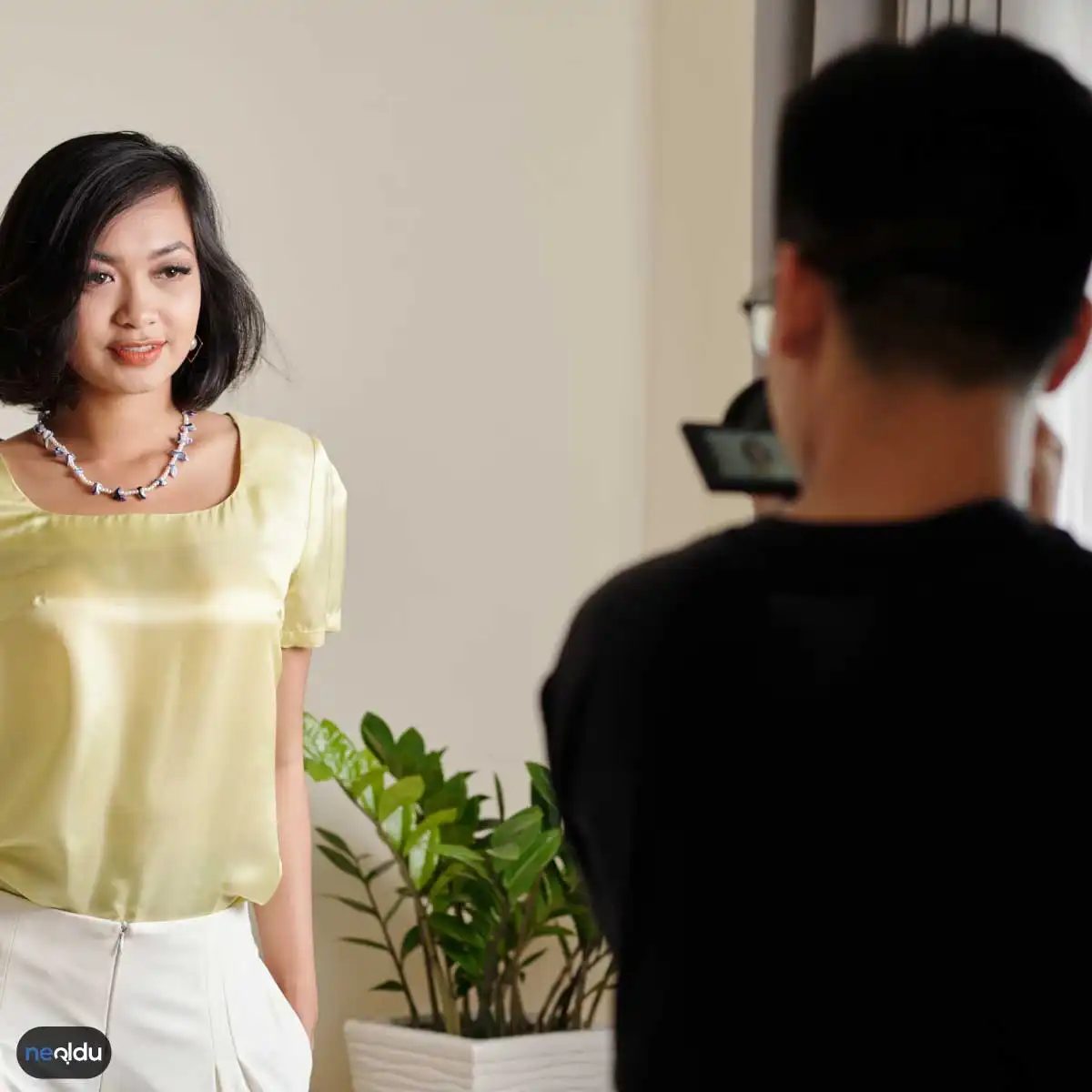
Fashion photography isn’t just about snapping clothes on a hanger. It is the visual heartbeat of the style industry. Photographers who thrive here do more than point and click. They track shifts in culture. They catch trends before they hit the mainstream. They deliver images that define aesthetics.
This is how successful fashion photography works. It merges technical skill with cultural awareness.
What Is Fashion Photography?
At its core, fashion photography is a specialized genre. It highlights clothing and accessories. But it also sells a lifestyle. A mood. An identity.
Modern fashion photographers must watch the industry closely. They look for subtle changes in how people present themselves. They notice which colors are rising. Which silhouettes are fading. Then they translate those observations into compelling visuals.
Success in this field requires more than a good camera. It demands an eye for detail. A pulse on the street. And the ability to turn fabric into fantasy.
Think about the last magazine spread that stopped your scroll. The lighting. The pose. The attitude. That didn’t happen by accident. It was crafted by someone who knew exactly what the audience wanted to see before they even asked.
Fashion photography bridges the gap between garment and emotion. It turns material into meaning. And in a digital age, that translation is everything.
The Art of Seeing More Than Just Clothes
Fashion photography isn’t just about capturing a dress on a hanger. It’s a complex ecosystem where aesthetics meet commerce. Designers and brands use these images to launch collections into the world. You see them everywhere—editorial spreads in glossy magazines, high-stakes ad campaigns, catalog layouts, and the endless scroll of social media feeds.
But look closer. The work involves far more than snapping a picture of fabric. It’s about curating the entire visual narrative. Models don’t just stand there. They pose. Their makeup is applied with surgical precision. Hair is styled to defy gravity or mimic the wind. The photographer manages this entire choreography before, during, and after the shutter clicks.
Fashion photography is a visual language that reflects the current cultural zeitgeist.
It’s an art form that prioritizes aesthetic storytelling. Every image is designed to mirror the prevailing trends of the industry. If you want to succeed here, you need to be obsessed with what’s happening right now. You track the shifts in style, color palettes, and attitudes. Then you translate those fleeting moments into static images that feel eternal.
This is also the primary marketing engine for fashion houses. A well-executed photo shoot does heavy lifting. It generates interest. It drives desire. And ultimately, it moves product. When the imagery hits the mark, sales follow.
The Unspoken Requirements of the Job
You might think technical skill is enough. It’s not. To become a fashion photographer, you need a specific set of traits that go beyond knowing how to use a Canon or Sony camera.
First, you need an eye for detail that borders on obsessive. You’re not just photographing clothes. You’re photographing a mood. A lifestyle. A dream. If you miss the wrinkle in the fabric or the clash between the model’s lip color and the lighting, the whole image fails.
Second, you need leadership skills. You are the captain of a small ship. You’re managing models who might be exhausted, stylists who are juggling fifty items, makeup artists working against the clock, and clients who have opinions. You have to keep the vision clear while managing chaos.
Third, you need to understand the business. Fashion photography is not pure art. It’s a service industry. You are solving a problem for a brand. They want to sell. You need to create images that help them do that. This means understanding target demographics, brand identity, and marketing goals.
Finally, resilience is non-negotiable. The industry is fast. Trends change weekly. Shoots can be grueling. You need the stamina to stand for twelve hours and the mental flexibility to pivot when the light changes or the model hates the outfit.
It’s not a job for the faint of heart. But if you have the vision, the discipline, and the business acumen, it can be incredibly rewarding. The rest is just practice.

The Real Toolkit Behind the Lens
You don’t just point and shoot. Not if you want to survive the industry.
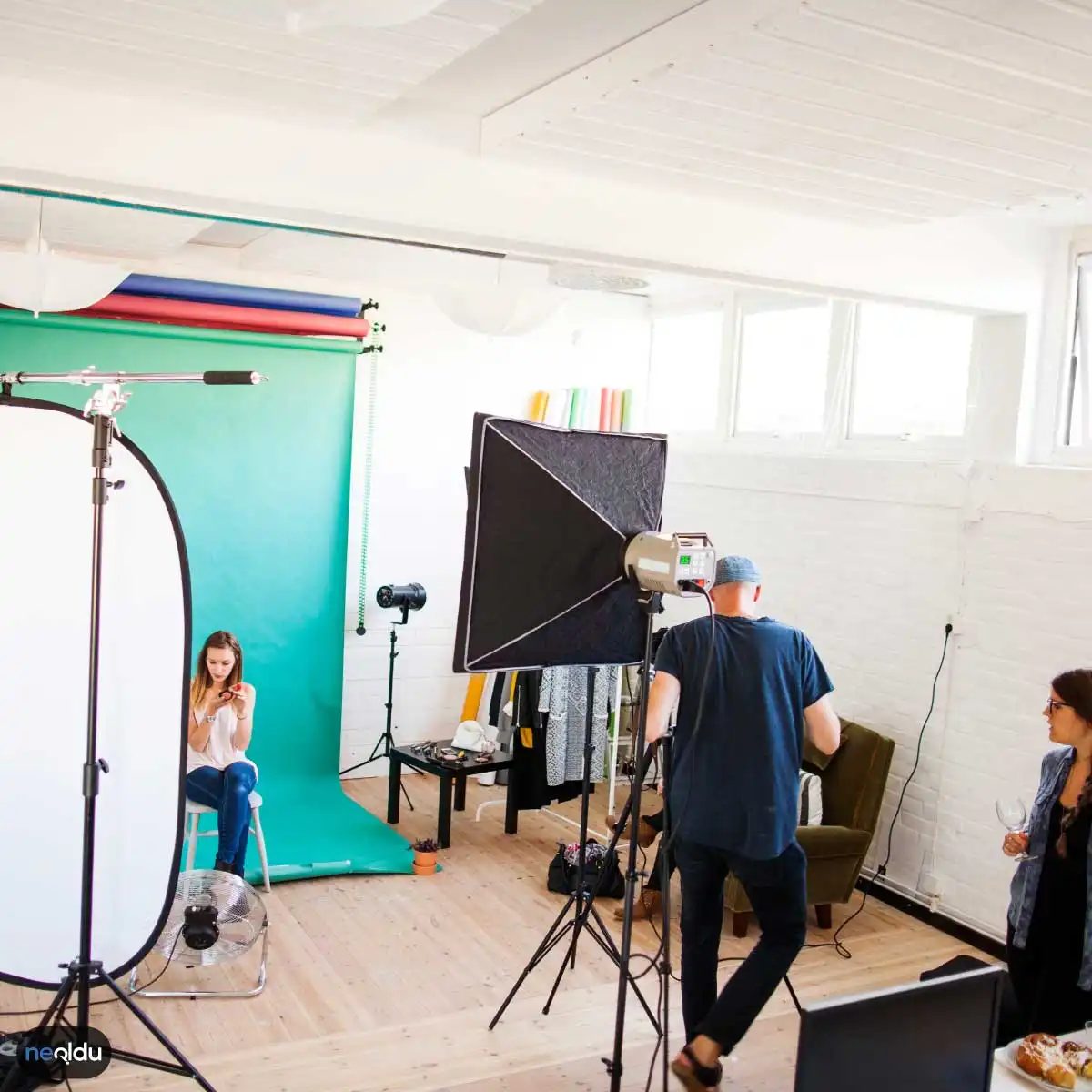
Being a fashion photographer isn’t just about having a fancy camera. It’s a grind. It requires a specific blend of traits that most outsiders don’t see until the shutter clicks. If you’re looking into how to become a fashion photographer, start here. This isn’t a hobby. It’s a discipline.
First, you need artistic creativity. Plain and simple. You’re selling a dream, an aesthetic, a vibe. If you can’t visualize the final image before you even pick up the lens, you’re already behind. It’s about visual storytelling. Can you make fabric look like water? Can you make a model look like she owns the city? That’s the job.
Then there’s the technical knowledge. And no, this doesn’t mean you can edit a selfie. We’re talking deep understanding of equipment. Lighting setups. Complex ones. You need to know how to manipulate light to flatter—or distort—form. Plus, you need to master post-processing software. Raw files are just data. The magic happens in the edit.
“Communication is the bridge between a stiff pose and a living image.”
Communication skills matter more than you think. You’re directing humans. Real people with egos, fatigue, and bad hair days. You have to give clear, concise direction. Not vague gestures. Clear words. You build rapport fast. Because if the model trusts you, the photos breathe. If they don’t, they look like plastic dolls.
And you’re never working alone. This is where teamwork kicks in. You’re surrounded by stylists, makeup artists, designers, assistants. A chaotic environment. You need to adapt. You need to listen. If the stylist changes the look five minutes before the shot, you shift. No drama. Just execution.
Speaking of shifting, the industry moves fast. Adapting to trends is non-negotiable. What was hot last season is dead this month. You need to know what’s coming next. Not just follow trends, but anticipate them. Clients don’t want yesterday’s news. They want tomorrow’s headline.
Finally, patience and dedication. The hours are brutal. Hair and makeup can take hours. Wardrobe changes. Location scouting. Waiting for the perfect light. It’s exhausting. If you’re not obsessed with the craft, you’ll burn out. Fast.
Breaking Down the Styles
Once you have the toolkit, you need to find your lane. Fashion photography isn’t a monolith. It’s a spectrum.
Editorial photography is where the artistry shines brightest. These are the images you see in glossy magazines. They tell a story. They’re conceptual. Often abstract. The focus isn’t just the clothes—it’s the mood. The narrative. You’re not selling a product directly; you’re selling an aspiration.
Commercial photography is different. It’s direct. It’s about the product. Lookbooks for brands. E-commerce shots. Catalogs. Here, clarity is king. The lighting needs to show every stitch, every texture. The goal is conversion. Can the customer see the fabric? Do they want to buy it? If yes, you nailed it.
Then there’s street style. Raw. Unfiltered.
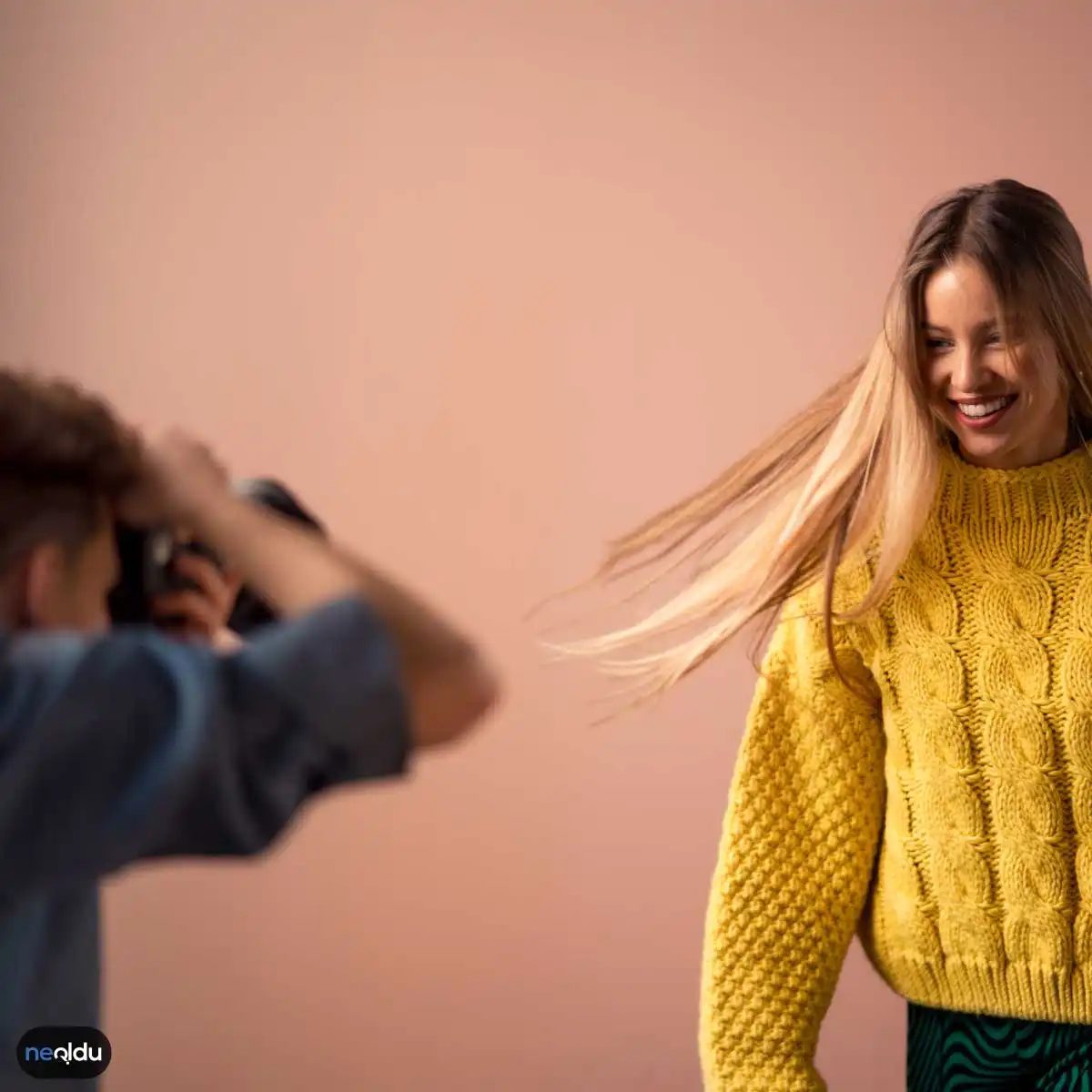
The style of the shoot dictates who walks in front of the lens.
You can’t force a minimalist shoot to work with a model who thrives on chaos. The connection between aesthetic and subject has to feel organic. If you’re going for that clean, high-fashion look, you need someone with sharp bone structure. Someone who can hold a still pose without it looking stiff.
But if you’re chasing street style? You want personality. You want the kind of model who looks like they just stepped off a subway car in New York or London. Spontaneity matters more than symmetry there.
Finding the Right Fit
It’s not just about looks. It’s about how they handle direction.
A seasoned pro knows how to adjust their posture with a subtle shift of the hips. A novice might freeze. This is where model management comes in. It’s not just booking someone; it’s curating a vibe.
- Portfolio diversity: Does their book show range? Or are they stuck in one pose?
- Punctuality: A late model kills momentum. And momentum is everything in a tight shoot window.
- Attitude: Can they take a critique without crumbling?
Directing with Intention
Once the model is on set, the dynamic shifts.
You aren’t just snapping photos. You’re guiding energy. For editorial work, you might push for dramatic, almost theatrical expressions. Think intense eye contact, tilted heads, a sense of mystery. The lighting here is often moody. High contrast. Shadows playing across the face.
Natural light shoots? That’s different. You’re asking for softness. Genuine smiles. Laughing between takes. The goal is to capture a moment that feels unscripted.
The Unspoken Rules
There’s an unspoken hierarchy on set.
The photographer sets the tone. The stylist provides the clothes. The model wears them. But if the model doesn’t sell the garment, the whole image falls flat.
This isn’t about making the model look good for the sake of it. It’s about making the clothes look good. Every turn of the head, every hand placement should highlight the fabric’s drape or the cut’s precision.
A model isn’t a mannequin. They’re the vehicle for the story.
Managing Expectations
Pre-shoot communication is non-negotiable.
Send mood boards. Define the look. Is it grunge? Is it corporate chic? Ambiguity leads to wasted time. And time is money.
Be clear about boundaries. Comfort levels vary. Some models are comfortable with avant-garde styling; others prefer classic elegance. Respecting those limits creates a safer, more productive environment. Creativity flourishes when people feel secure.
The Aftermath
Selection isn’t over when the shutter closes.
You’re looking for images that work with the model’s strengths. If their eyes are striking, zoom in. If their posture is impeccable, step back and let the silhouette speak.
Sometimes the best shots are the ones where the model lets their guard down. A slight stumble. A real laugh. These imperfections often translate as authenticity in print.
It’s a delicate balance. You want control. But you also want to surrender to the moment.
Where does that line fall? It depends on
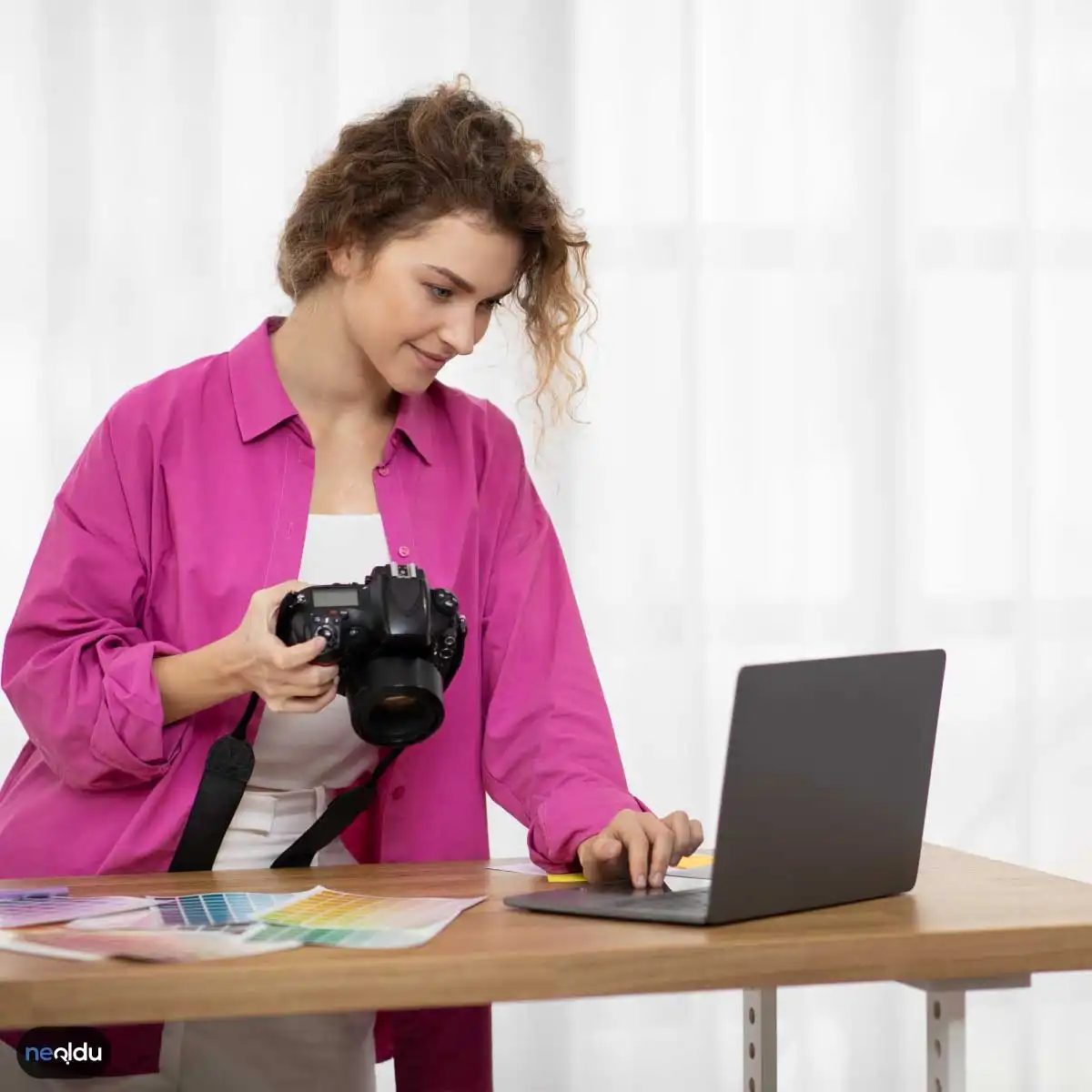
Doğru modeli seçmek, en iyi kıyafeti giydirmekle başlar
Moda fotoğrafçılığı sadece pahalı giysileri güzel bir arka planda çekmek değil. O, bir organizasyon. Ve bu organizasyonun kalbi modellerin omuzlarında. Fotoğrafçı olarak rolün, sadece düğmeye basmak değil; doğru yüzü bulmak ve o yüzün en iyi versiyonunu ortaya çıkarmak.
Doğru model seçimi, çekilecek kıyafetin ruhunu yakalamak demektir. Çekim öncesi yapman gereken ilk iş, giysiyi incelemek. O kumaş nasıl dökülüyor? Kesim nasıl? Hangi vücut tipi bunu en iyi taşıyacak?
Sadece “güzel” bir model aramazsın. Doğal bir güzelliği olan, kameraların önünde rahat hisseden ve poz vermeyi bir oyun gibi değil, bir dil gibi kullanan kişilerle çalışmalısın. Uyumsuzluk, fotoğrafla hemen belli olur.
İletişim eksikse, ışık da kurtaramaz
Moda dünyasında en büyük hata, sessiz kalmaktır. Modelin önüne geçtiğinde ve lensi gözlerine diktiğinde, sadece “güzel dur” demen yeterli değil. Ona ne yapması gerektiğini anlatmalısın.
Açık ve net konuş.
– “Şu açıdan ışığı yakalayalım.”
– “Omuzlarını biraz aşağı çek, omuzluklar daha iyi duracak.”
– “Bu kumaşı daha rahat hissetmeni istiyorum.”
Modelin sorularını dinle. Belki o, kıyafetin üzerindeki hissi senin tahmin ettiğinden daha iyi biliyor. Onun önerilerine açık ol. Bu, sadece bir fotoğraf değil, ortak bir yaratım süreci olduğunu gösterir.
Yönetim, rahatlatmakla başlar
Çekim stresi, fotoğraflara yansır. Titreyen eller, gergin yüz ifadeleri… Bunları düzeltmek zordur. Önlemek daha kolay.
Modelini rahatlatmak için basit ama etkili yöntemler kullan.
– Müzik çal. Tercihlerini sor.
– Basit sohbetler aç. Havanın nasıl olduğunu kontrol et.
– Küçük iltifatlarda bulun. Güvenini tazele.
Poz verirken de yönlendirici ol. Sadece “şöyle dur” demek yerine, “ayaklarını biraz daha aç, böylece elbisen daha çok dökülsün” gibi somut talimatlar ver. Doğru duruş, kıyafetin tasarımını tam olarak ortaya çıkarır.
Profesyonellik, saygıdan gelir
Moda, hızlı bir sektör. Ama burada saygı unutulmamalı. Fotoğrafçı ile model arasındaki ilişki, profesyonel bir mesafe ve samimiyet dengesi üzerine kuruludur.
Her iki taraf da işini ciddiye almalı. Model, kıyafeti en iyi şekilde sunmak için çaba gösteriyor. Sen de onu en iyi şekilde yakalamak için. Bu işbirliği, karşılıklı saygı olmadan yürümez.
Kıyafetler, aksesuarlar, trendler… Hepsi bir noktada toplanıyor. Bu nokta, modelin kendisi. Onu doğru yönetirsen, sadece güzel bir fotoğraf değil, bir hikaye anlatmış olursun.
Moda fotoğrafçılığı, kıyafetlerin hikayesini anlatma sanatıdır. Model, o hikayenin anlatıcısı. Ve sen, onun sesini duymayı bilen dinleyicisin.
İstanbul’daki fotoğrafçılık kursları, sokak fotoğrafçılığı gibi alternatif dallar da olsa, moda dünyasında kalıcı olan, detaylara olan saygı


