It’s red. It tickles. It hurts. Dry skin feels like a personal attack, especially when the humidity drops and the temperature drops. You reach for the humidifier. You reduce the heat in the shower. Apply the cream. Nevertheless, the flaking and feeling of tension remain. The culprit can hide in the bathroom cabinet.
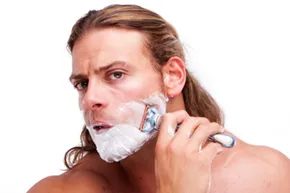
We often forget the products we use for a minute. Shaving cream is one of them. Whether you’re shaving your face or your legs, this foam works mechanically. It reduces the friction between the razor blade and your skin. It minimizes razor burn. The warm water you use to lather opens the pores and softens the stubble. But depending on the ingredients, it can also hydrate your dry skin or strip it bare.
Not all shaving creams are created equal. Some soaps and lotions contain harsh ingredients that mimic the drying effects of bar soap. If your shaving cream resembles laundry detergent, you’re probably washing away your skin’s natural protective petroleums. When you have dry skin, the last thing you want to do is break down the barrier even more.
How Shaving Affects stratum corneum
Your skin is built in layers. The outermost layer is the epidermis. The top layer of this is the stratum corneum. This is the layer that usually dries. It is sensitive to everything from environmental allergens to physical irritation from shaving. As this layer weakens, the risk of inflammation and infection increases.
Humectants increase the water level in stratum corneum. They generally fall into two categories. Humectants such as glycerin and alpha hydroxy acids attract moisture to the skin. Hydrophobic types such as petroleum jelly and lanolin strengthen the skin’s natural lipid protection. They act as a seal and thus reduce the leakage of moisture from the skin.
Which shaving cream ingredients really moisturize?
Shaving cream will moisturize your skin if it contains the right ingredients. Avoid alcohol-based products. They dry the skin instead of moisturizing it. Instead, look for emollient ingredients that complement the moisture barrier. These can come from natural sources or petroleum.
Look for shaving creams that contain one or more of the following:
- Jojoba petroleum
- mineral petroleum
- Palm petroleum
- Coconut petroleum
- Shea butter
- Lanolin
- glycerin
- Petrolatum
- Sorbitol
- Urea
Oils are a great way to supplement the skin’s natural moisture barrier. Silicone-based ingredients such as dimethicone also smooth and nourish the skin. They provide moisture but are still controversial. The safety of silicone-based polymers in skin care products is currently being investigated.
There are also natural ingredients that act as effective moisturizers. Aloe Vera and colloidal oatmeal are two of the most popular. Both have an anti-inflammatory effect and provide overall healthy skin benefits. They soothe the skin during shaving and not just clean it.
“When you have dry skin, the last thing you want to do is break down the barrier even more.”
The change of seasons forces us to adapt. We are changing our wardrobe. We adjust the diet. Why not adapt the way we shave? Your skin is not just a protective shield. It is a living, breathing part of your health. Treat it with the same care as your hair or makeup.
Some brands have recognized this. They form shaving creams with a higher concentration of emollients. Others avoid sulfates and synthetic fragrances. You should check the label. Not because of the marketing claims, but because of the ingredient list.
Your skin may be crying out for help. It’s just waiting for you to hear it.


