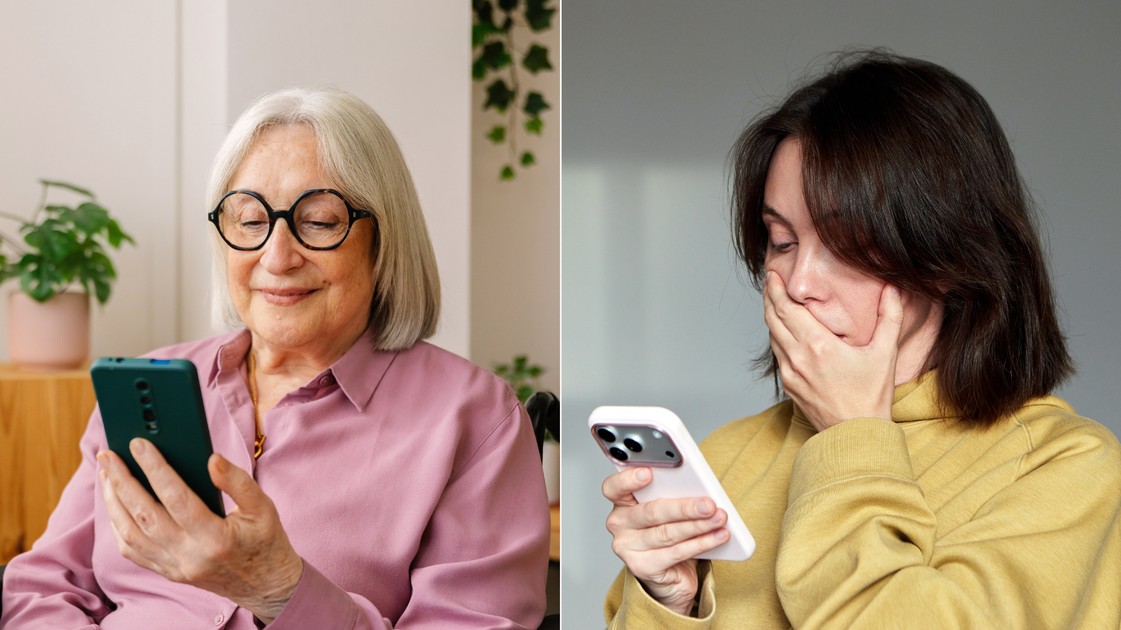
A text message arrives from a parent: “She’s got another infection,” followed by a graphic photo. No context. No name. Just panic-inducing imagery. For Julie Story, a Florida-based comedy creator, this was a familiar pattern. By the time she learned the relative was already on antibiotics and recovering, her nervous system had already processed a crisis that didn’t exist.
Story is not alone. Her experience has resonated widely, sparking a viral TikTok trend and online discussions about a phenomenon many are now calling the “Boomer Bad News Drop.” This term describes the specific, often jarring way older generations—particularly Baby Boomers—deliver distressing updates to their adult children. It is characterized by a lack of context, an oversharing of others’ tragedies, and a paradoxical silence regarding their own health struggles.
The Anatomy of the Drop
The “Boomer Bad News Drop” is distinct from standard family communication. It is not merely sharing news; it is the delivery of high-stakes information without the necessary emotional scaffolding.
- The Cliffhanger: Messages like “He is gone” accompanied by a photo of a deceased pet, or “Welp, he’s dead,” without specifying who “he” is.
- The Distant Tragedy: Detailed accounts of accidents or illnesses affecting people the recipient barely knows. One millennial son, Mike, described receiving graphic details about a neighbor’s fatal car accident—including legal blood alcohol levels—when he had called simply to share that his toddler had discovered her hands.
- The “Debbie Downer” Effect: As Mike noted, these interactions often feel like the Saturday Night Live skits about depressing characters. The news is always bad, rarely personal to the sender, and delivered with a casualness that belies its severity.
This behavior stands in stark contrast to how Boomers handle their own medical issues. Therapists note a parallel tendency known as “The Boomer Hospital Reveal,” where significant health events—such as surgeries or hospitalizations—are withheld until months later, often revealed casually in passing: “Oh, I had a prostatectomy last month. I Ubered home.”
Why Does This Happen?
Experts suggest this communication style is not malicious, but rather a product of generational conditioning and shifting social dynamics.
1. Emotional Literacy and Upbringing
Jennifer Chappell Marsh, a marriage and family therapist, explains that many Boomers were raised in environments where vulnerability was stigmatized. Grief, fear, and sadness were not processed out loud but managed privately. Consequently, bad news is often delivered as raw data rather than an emotional experience.
Jess Sprengle, a therapist in Austin, adds that Boomers may not recognize the traumatic impact of their disclosures. “It might just be that they don’t recognize that what they’re sharing is sensitive, potentially traumatic information,” she said. For them, sharing the news is an act of inclusion, not an act of burdening.
2. The Search for Relevance
As Boomers age, their social circles often shrink, and their roles in society shift. Mike theorizes that sharing dramatic news serves a psychological purpose: maintaining status as the “insider.”
- “I firmly believe they want to be seen as the person ‘in the know,’” Mike said.
- In a digital age, Facebook and family group chats provide a platform to aggregate tragedy. By being the conduit for bad news, Boomers may feel connected, knowledgeable, and essential to the family network.
3. Protection vs. Trust
The silence regarding their own health is often rooted in a desire to protect adult children from worry. However, this protection can backfire. Mary Beth Somich, a therapist in North Carolina, notes that withholding painful information until it is revealed abruptly creates a rupture in trust.
- “For many, it lands less like protection and more like a rupture in trust and emotional consideration,” Somich said.
- When children learn of a grandparent’s death or a pet’s passing weeks after the fact, they are denied the opportunity to process grief in real-time. They are left catching up to a loss without support.
Bridging the Gap
The core issue is a generational mismatch in emotional expectations. Adult children, often more “therapized” and accustomed to mental health transparency, expect preparation and context. Boomers, operating from older communication norms, prioritize efficiency or protection over emotional framing.
To improve these interactions, experts suggest small but significant shifts in approach:
- Use a “Warning Shot”: Before delivering bad news, provide a brief preamble. “I need to share something difficult” or “This is heavy news.” This allows the recipient to emotionally brace themselves.
- Contextualize the News: Instead of just stating facts, frame them with care. Explain who is affected and why it matters, rather than dumping raw details.
- Reflect on Timing: Ask, “Is this the right time to say this? How will this make the other person feel?”
- Share Personal Struggles Sooner: Disclosing personal health issues earlier prevents the “shock reveal” dynamic and fosters deeper, more honest connections.
“You want to make sure the person on the receiving end feels considered, not just informed.” — Mary Beth Somich
Conclusion
The “Boomer Bad News Drop” is more than a generational meme; it is a symptom of how different eras process grief, vulnerability, and connection. While the intent is rarely harmful, the impact can be emotionally jarring for adult children. By adopting clearer communication strategies—prioritizing context, timing, and emotional preparation—families can transform these moments from sources of anxiety into opportunities for genuine support and understanding.