
Modern life feels like it was engineered to make us overweight. We scramble through every hour, chasing deadlines and feeling like we’re always one step behind. That constant low-level panic isn’t just in your head—it’s physically changing your body. Dr. Pamela Peeke, author of the best-selling Fight Fat After Forty, argues that this chronic stress is toxic to our systems. It’s not about willpower. It’s about biology.
The Cortisol Connection to Abdominal Weight
When you feel stressed, your brain triggers a chemical response. One of the main chemicals released is cortisol. This hormone acts as a powerful appetite trigger. What do you want to eat when your body is in fight-or-flight mode? Usually, it’s something high in carbs and fat. Candy. Ice cream. Potato chips. These foods provide the quick energy your body thinks it needs to handle the stress.
If you do this once in a while, it’s fine. Do it every day, and your body stores those extra calories as fat. Specifically, it stores them around your waist. This isn’t just about fitting into old jeans. Visceral fat around the abdomen is linked to heart disease, diabetes, high blood pressure, stroke, and cancer. An expanding waistline is a serious health threat.
To stop this cycle, you need to keep cortisol levels below the threshold that stimulates hunger. Dr. Peeke suggests ten specific strategies for meal planning and timing. Here is the first two.
Eat Breakfast Before 9 a.m.
Your first meal of the day matters more than you think. Aim to eat a healthy breakfast no later than 9 a.m. If you’re running late, put a bowl of oatmeal on your nightstand and eat it while you do your makeup. The goal is to stabilize your blood sugar early.
Good options include:
– A smoothie made with nonfat milk or yogurt and fruit
– A toasted English muffin with fruit spread
– Whole-grain cereal or oatmeal with raisins and skim milk
– An egg-white omelet with whole-wheat toast
The Midmorning Snack
Skipping this step can backfire. Your body needs fuel to keep cortisol in check. A small, protein-rich snack in the midmorning can prevent the afternoon crash that leads to junk food cravings. This isn’t about adding more calories to your day. It’s about timing them correctly to keep your metabolism stable.

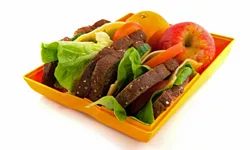
Skip the desk lunch. By 1 PM, your energy dips hard. You need something that fuels you without sending you into a food coma.
Think color. Think crunch. A heavy pasta bowl or a greasy sandwich might feel comforting in the moment, but it’ll leave you sluggish by 3 PM. Instead, aim for a balance of lean protein, complex carbs, and healthy fats. This combination stabilizes blood sugar. It keeps you sharp.
What to actually eat
Portion control matters, but so does variety. You don’t need a calculator. Just look at your plate.
- Half the plate: Non-starchy vegetables. Leafy greens, broccoli, peppers, cucumbers. Fiber keeps you full.
- Quarter plate: Lean protein. Grilled chicken, tofu, fish, or beans. Protein repairs muscle and curbs cravings.
- Quarter plate: Whole grains or starchy veg. Quinoa, brown rice, sweet potato. These give you sustained energy.
Add a tablespoon of olive oil or a few nuts for healthy fats. They’re essential for hormone health and satiety. You’re not eating to survive. You’re eating to thrive.
Why lunch isn’t the enemy
Many women skip lunch. Or they graze. Both are traps. Skipping disrupts your metabolism. Grazing leads to mindless overeating. A structured lunch breaks the cycle.
It resets your focus. You step away from your screen. You chew slowly. You taste your food. This isn’t about restriction. It’s about respect for your body’s needs.
Quick ideas
Don’t overcomplicate it.
- A large salad with chickpeas, avocado, and vinaigrette.
- A whole-grain wrap with turkey, hummus, and spinach.
- Leftover grilled salmon with roasted asparagus and quinoa.
- A lentil soup with a side of whole-grain crackers.
Prep ahead. Cook extra dinner. Portion it out. You’ll thank yourself when Wednesday hits and you’re tempted by the vending machine.
The afternoon slump
This is where most plans fail. You hit 3 PM. Your brain fog rolls in. You crave sugar.
That’s why the midmorning snack matters. It bridges the gap. But if you skipped it, your lunch choice becomes even more critical. Include protein and fat. Avoid pure carbs. A bagel with cream cheese might taste good. But the crash will be brutal.
Stay hydrated too. Sometimes thirst masks itself as hunger. Drink a glass of water. Wait ten minutes. See if you’re still hungry.
You’re building habits. Not following a rigid diet. Flexibility is key. Some days, you’ll eat out. Some days, you’ll order takeout. That’s okay. The goal is consistency over perfection.
The CortiZone Crisis: Why Your Afternoon Snack Matters
Stop waiting for the 3 p.m. slump to hit you like a truck. That dip in energy isn’t just fatigue. It’s biology. Specifically, it’s the “CortiZone.”
Three hours after lunch, your stress hormones plummet. So does your mental clarity. And your willpower? It evaporates. This is the exact window where most people reach for the desk drawer candy bar. A quick sugar hit. A false sense of urgency. It feels like fuel. It’s actually a trap.
If you’re fighting fat after forty, you know the drill. You don’t need more sugar. You need steady, low-stress energy.
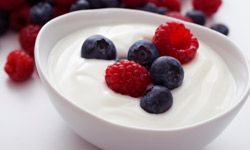
The fix is simple, but you have to plan for it. Eat a snack that combines protein with carbohydrates. Think low-fat yogurt. Cottage cheese with a piece of fruit. These aren’t indulgences. They are tactical interventions. They stabilize your blood sugar before the CortiZone can destabilize your focus.
You’re not snacking because you’re hungry. You’re snacking to prevent the crash.
Dinner: The 6 to 7:30 p.m. Window
Timing your dinner is just as critical as the morning protein load. Aim for between 6 and 7:30 p.m.
Why this window? It gives your body enough time to digest a balanced meal before sleep, without leaving you starving or bloated. It aligns with your circadian rhythm, helping to regulate metabolism and hormone production overnight.
Skip the heavy, late-night feasts. Keep it light but nutritious. A mix of lean protein, healthy fats, and complex carbs. This isn’t about restriction. It’s about rhythm. When you eat, your body is working. When you stop eating, it’s repairing. Don’t interrupt the repair phase with a massive meal at 9 p.m.
Get your dinner on the table by 7:30 at the latest. Then, close the kitchen. Let the night belong to rest, not digestion.

The Timing Trap: Why Late-Night Eating Sabotages Your Goals
You can have the most balanced plate in the world, but if you are shoving it into your mouth at 10 p.m., you are fighting an uphill battle. This isn’t just about willpower. It is about biology. Your circadian rhythm shifts as the sun goes down. Your insulin sensitivity drops. Your metabolism slows to a crawl.
Eating late at night isn’t just a habit; it is a metabolic disruptor.
Let’s look at the window. Dinner should start between 6:00 p.m. and 7:30 p.m. Why? Because you need at least two to three hours of digestion before you actually lie down to sleep. Lying flat with a full stomach invites acid reflux. It also spikes your blood sugar right when your body should be winding down for repair.
The menu matters too. You need structure.
Start with soup or salad. These act as a buffer. They hydrate you. They add volume without excessive calories. Then, move to vegetables. Fiber is your friend here. It keeps things moving. It keeps you full. And finally, hit that protein source. We are talking poultry. Lean red meat. Fish. Legumes. Even a veggie burger works if it’s high quality. Protein repairs muscle tissue. It stabilizes blood sugar through the night.
Skip the heavy carbs. Skip the sugar bombs.
If you need a sweet finish, go for mixed fruit. It satisfies the sweet tooth without the crash. It’s light. It digests quickly. It doesn’t sit in your gut like a brick.
The “Why” Behind the Early Table
You might think, “But I’m not hungry at 6 p.m.”
That’s common. Modern life is stressful. Cortisol keeps you alert long after the workday ends. You aren’t physically hungry. You are psychologically hungry. You are bored. You are tired.
Eating late tricks your body into storing fat instead of burning it. When you eat late, you interfere with growth hormone release. That hormone is crucial for fat metabolism and muscle repair. You miss that window. You gain weight. You feel sluggish the next morning.
It’s not about restriction. It’s about timing.
Get dinner on the table early. Keep it simple. Protein. Veggies. Maybe a fruit dessert. Then, let your body do what it does best: rest.
Practical Tips for the Busy Woman
You don’t have time to cook a three-course meal every night. And you don’t need to.
Prep is non-negotiable.
- Batch cook proteins. Grill chicken. Roast chickpeas. Boil eggs. Keep them in the fridge.
- Wash and chop veggies. Keep them visible. Out of sight is out of mind.
- Have a backup. If you’re working late, have a ready-to-eat option. A hard-boiled egg. A piece of fruit. A small handful of nuts. Don’t resort to takeout.
Set a kitchen curfew.
Turn off the stove. Put away the leftovers. Close the fridge. Make it physically harder to snack.
Listen to your body.
Are you actually hungry? Or are you just reaching for comfort? Drink

Why the Clock Matters More Than You Think
You don’t need a PhD in nutrition to understand that when you eat matters just as much as what you eat. Dr. Peeke has a blunt, memorable mantra: “If you eat after eight, you gain a lot of weight!” It sounds harsh, but it’s rooted in biology, not just willpower.
The goal is simple. Try to have dinner completed by 8 p.m. at least four to five days a week. This isn’t about deprivation. It’s about aligning your eating window with your body’s natural rhythms. When you push meals too late, you’re fighting against your circadian clock.
But life happens. Work runs late. Kids cry. Dinner gets delayed. If you absolutely must eat after eight, here’s the workaround:
- Eat lighter. Skip the heavy carbs and rich sauces.
- Eat before you go. Have a small, protein-rich snack or a light meal before your actual dinner so you aren’t starving when the clock strikes eight.
The science behind this comes down to something called the CortiZone. This is a window of time—extending through midnight—when your body is more vulnerable to stress hormones and prone to mindless eating. You’re not weak. Your biology is just signaling that it’s winding down.
7: Avoid Complex Carbs After 5 p.m.
Here’s where many people stumble. You finish your early dinner by 7:30 p.m. You’re full. You feel good. Then, at 8:30 p.m., you reach for pasta. Or rice. Or a hearty bean chili.
Don’t.
Avoid complex carbs after 5 p.m. This rule is stricter than the general dinner cutoff because carbs spike insulin. When insulin is high at night, your body is less likely to burn fat and more likely to store it. Plus, complex carbs take longer to digest. They keep your metabolism active when it should be slowing down for repair and rest.
Think of it this way: your body doesn’t need a lot of fuel for dinner if you’re about to sit down on a couch or climb into bed. Save those energy-dense carbs for the morning or afternoon when you’ll actually use them.
“You’re not just filling your stomach. You’re signaling your body whether to store or burn.”
It’s a small shift. But over weeks and months, those late-night carb hits add up. Skip them. Stick to lean proteins, healthy fats, and non-starchy veggies in the evening. Your waistline—and your sleep—will thank you.
So, what’s on your plate tonight? And more importantly, what time will you stop eating?
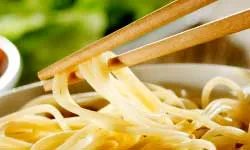
Let’s be real about the 5 p.m. cutoff. It sounds restrictive, but it’s actually about energy management. Women over 40 have different metabolic needs than they did in their twenties. The idea that you need a heavy load of complex carbohydrates—pasta, bread, potatoes, or rice—late in the day is largely a myth.
These foods are dense fuel sources. They are designed to power you through activity. But by dinner time, most of us have already burned through our daily movement. Keeping these staples on the table every night leads to excess calories sitting in storage rather than being used. The goal isn’t to eliminate them entirely. It’s to strip your dinner of these dense carbs.
Think of bread, rice, or pasta as an occasional treat rather than a daily staple. Aim for small portions, once or twice a week. This shift helps manage insulin sensitivity and keeps your nighttime digestion lighter. You still get the comfort of a meal without the heavy, bloated aftermath.
Cutting the Processed Sugar Habit
If starchy carbs are the main course, processed sugars are the sneaky sidekick. You know the type: the sugar in your coffee, the hidden sweeteners in sauces, the “healthy” granola bars that are really just candy bars in disguise.
Getting rid of processed sugars isn’t just about weight. It’s about stability. When you remove these quick-energy spikes, you stop the crash that leaves you tired by 3 p.m. or craving dessert by 8 p.m.
“Processed sugars are empty calories that disrupt your hormonal balance. Removing them is one of the most effective steps for women over 40.”
Start by reading labels. If the first three ingredients include sugar, high-fructose corn syrup, or anything ending in “-ose,” put it back. It’s that simple. Your body doesn’t need the refinement; it needs the nutrient density found in whole foods.
Practical Swaps for Your Evening Meal
You don’t need a complicated meal plan. You need clarity. Here is how you can adjust your dinner routine without feeling deprived:
- Vegetables are your new base. Fill half your plate with roasted or steamed non-starchy vegetables. Broccoli, zucchini, asparagus, or spinach provide volume and fiber without the calorie density.
- Protein takes center stage. Chicken, fish, tofu, or eggs keep you full and support muscle maintenance, which slows down with age.
- Healthy fats for satisfaction. A drizzle of olive oil, a few slices of avocado, or a handful of nuts adds flavor and helps your body absorb nutrients.
This approach isn’t about restriction. It’s about prioritizing what actually fuels your body at the end of the day. When you stop loading up on starches and sugars after 5 p.m., you might notice something surprising. Your sleep improves. Your morning energy steadies. The brain fog lifts.
It’s not a quick fix. It’s a reset. And for many women in their 40s and beyond, that reset feels like getting their life back.

Toss the box. Yes, that “skinny” chocolate bar, the fat-free yogurt with three grams of sugar per bite, the cookies that promise guilt-free indulgence. Clear the shelves. These items are not your friend. They are packed with refined, processed sugars designed to trick your taste buds while spiking your insulin and keeping your body in a state of metabolic stress. When you remove fat, manufacturers add sugar to make it palatable. You end up eating more, feeling less satisfied, and storing more fat. It is a bad deal.
Why Portion Control Matters More Than You Think
Skipping the junk is step one. Step two is understanding how much you actually need. Most of us do not realize we are eating three servings when the label says one. This is not just about willpower. It is about physiology.
Your stomach has stretch receptors. When they send signals to your brain, you feel full. But it takes about twenty minutes for that signal to arrive. If you shovel food in quickly, you ignore the signals. You overeat before your brain knows it is time to stop.
Portion control is not about starving yourself. It is about respecting the amount your body actually requires to function, not to fill a void.
Practical Ways to Manage Portions Without Obsession
You do not need a food scale for every meal. That is unsustainable. Try these concrete shifts instead:
- Use smaller plates. A standard dinner plate is huge. Switch to a salad plate. Your eyes tell your brain it is a large meal. The volume tricks you into satisfaction.
- Pre-portion snacks. Do not eat from the bag. Put a handful in a bowl and put the bag away. Once it is gone, it is gone. No second helping unless you plan it.
- Read the label first. Check the serving size. Is a “serving” one cookie or four? If you eat four cookies, you are eating four servings. Adjust your expectations accordingly.
- Drink water before eating. Sometimes thirst masquerades as hunger. A glass of water ten minutes before a meal can reduce intake naturally.
How to Handle Social Eating and Restaurants
This is where most people fail. Restaurants are notorious for oversized portions. A single pasta dish can contain 1,200 calories. That is more than half the daily recommended intake for many women.
When dining out:
- Ask for a to-go box immediately. Order it when the food arrives. Put half of it away before you take the first bite. You get two meals for the price of one. No guilt.
- Share an entrée. Split a main course with a friend. You still get the experience, the conversation, and the flavor, but half the calories.
- Start with a salad or broth-based soup. Fill up on fiber and water. It takes the edge off your hunger before the heavy stuff arrives.
The Psychology of “Just One More Bite”
Why do we keep eating after we are full? It is often emotional, not physical. Boredom. Stress. Celebration. We associate food with comfort.
Pause. Ask yourself: Am I hungry, or am I just eating because the plate is empty? If the answer is the latter, stop. Leave a few bites. It feels

The Portion Paradox
We need to talk about the illusion of size on restaurant plates. What arrives at your table is rarely a serving; it’s a performance. Most standard portions are scaled for people with appetites that defy biology. If you sit down for lunch and don’t adjust your expectations, you’re walking into a trap.
Here is the practical fix. When you see that mountain of pasta or that oversized burger, eat only half the starch. Just half. It sounds counterintuitive when you’re hungry, but it works. The goal is to stop eating before the plate is clean. At dinner? Eliminate the starch entirely. Skip the bread basket. Skip the fries. Stick to one piece of bread if you must, but treat it like a garnish, not a meal.
The timing matters more than you think. Your body handles complex carbohydrates differently depending on the clock. The later you consume them, the more likely they are to store rather than fuel. Eat your carbs early. Push them toward the morning or early afternoon. Save your dinner for protein and vegetables. It’s not about restriction. It’s about alignment with your circadian rhythm.
Hydration: The Missing Link
You know the drill. Drink water. But do you actually know why it’s the single most effective tool you’re ignoring?
Water isn’t just a filler. It’s a metabolic accelerator. Most people confuse thirst with hunger. You feel sluggish. You feel a craving for that second muffin. In reality, your body is just dry. Drinking water boosts your metabolism by up to 30% for an hour. It reduces calorie intake simply by taking up space in your stomach. It clears toxins. It helps your skin glow. It’s free.
Start your day with a large glass. Keep a bottle with you. If you’re drinking soda or juice, you’re fighting an uphill battle. Sugar spikes insulin. Insulin tells your body to store fat. Water does the opposite. It signals safety. It signals readiness.
Consider this: How much water have you had in the last two hours? If the answer is zero, you’re already behind.
“Water is the simplest, cheapest, and most effective weight loss tool available.”
This isn’t a trend. It’s biology. Your cells need water to burn fat. Without it, the process stalls. So, carry your bottle. Sip constantly. And stop pretending you’re hungry when you’re just thirsty.

Thirst masquerades as hunger with alarming frequency. You reach for a snack instead of a glass. The craving feels real. The solution is usually just water.
Dr. Peeke emphasizes that hydration isn’t a one-time event. It’s a rhythm. You need to sip consistently. Wait until your throat feels dry and it’s already too late. By then, your body has already signaled distress.
The old rule of eight glasses still holds some weight. Aim for eight 8-ounce glasses. That’s roughly two liters. Spread them out. Don’t chug them in an hour. Let your system absorb it.
Water should be consumed throughout the day. Often when we think we’re hungry, we’re actually thirsty.
This isn’t about rigid discipline. It’s about listening. Next time you eye the cookie jar, pause. Drink a glass. Wait ten minutes. See if the hunger pangs fade. Often they do. If not, then you’re probably actually hungry. But you’d be surprised how often it’s just a subtle dehydration cue.
For more from Dr. Peeke, visit drpeeke.com.