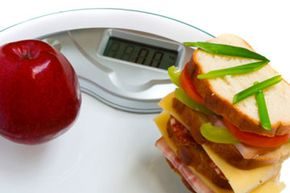
We’ve been lied to. Not by villains, but by oversimplification. The USDA Dietary Guidelines boil down to two boring but undeniable truths: eat less, move more. It sounds reductive. Like telling a painter to “just use more blue.” But here is the thing about weight management. Neither healthy eating alone nor physical activity alone creates lasting change. One might work for a month. Then life happens. The scale moves back up.
The secret isn’t willpower. It’s calorie balance.
What Is Calorie Balance and Why Does It Matter?
When we struggle with our weight, we demonize calories. We treat them like poison. They aren’t. Calories are just a unit of measurement. Like miles. You don’t hate miles unless you’re stuck in traffic with a full tank and nowhere to go. Same with calories. They only become the enemy when the number on the scale refuses to drop.
Your body needs fuel. Period.
Think of your metabolism as an engine idling in a parking garage. Even when you’re sitting on the couch, your heart beats, your lungs breathe, your brain fires. This is your Basal Metabolic Rate (BMR). It accounts for roughly 60 to 65 percent of your daily energy expenditure. You burn calories just by existing.
But you’re not a statue. When you move, you step on the gas. Intensity matters. Duration matters. Running a mile burns more than walking it. Doing it for ten minutes burns more than doing it for two.
Visualize an old-school balance scale.
– The left dish holds everything you eat and drink.
– The right dish holds everything you burn (metabolism + digestion + movement).
– The beam in the middle? That’s your body weight.
If the dishes are level, you stay the same. If the left side gets heavier, you gain weight. If the right side dominates, you lose it. Simple physics. Not magic.
“Weight management is simply a matter of calorie input and calorie output.”
How Many Calories Are in a Pound of Fat?
Here is the number most people guess wrong.
One pound of body weight equals 3,500 calories.
That’s it. To lose one pound, you need a 3,500-calorie deficit. To gain one, you need a 3,500-calorie surplus. It doesn’t matter if you get there by starving yourself, running marathons, or doing a bit of both. The math is the math.
Does 3,500 sound daunting? It shouldn’t.
Gain a pound in just two weeks by eating 250 extra calories a day. That’s three chocolate chip cookies. Or two ounces of cheddar cheese. It’s invisible in the chaos of a busy life. Skip a daily 250-calorie workout without adjusting your lunch, and that pound sticks.
Awareness changes everything. When you understand that weight fluctuates based on this input-output equation, you stop blaming your genes and start looking at your habits. You might choose the stairs over the elevator. You might skip the second helping. These aren’t sacrifices. They’re adjustments to the scale.
How to Use USDA Dietary Guidelines for Weight Loss
The USDA guidelines aren’t a diet plan. They’re a framework for that balance. They encourage you to find your specific equilibrium. Your target weight, your activity level, your goals—all of that shifts the baseline.
You aren’t trying to hit a universal number. You’re trying to hit your number.
This requires honesty. It requires tracking, not to obsess, but to see where the leaks are. Are you eating more than you think? Moving less than you assume? The guidelines suggest three tenets:
1. Consume fewer calories if weight loss is the goal.
2. Increase physical activity to burn more.
3. Make wise food choices (more on that later).
It’s not about being perfect. It’s about direction.
So, where do you start? You start by realizing that calories aren’t the bad guys. They’re the currency. And you hold the wallet. The question isn’t whether you can afford to eat. It’s what you’re buying with every bite.
Does that mean you have to count every single grain of rice? No. But understanding the exchange rate helps. It stops the guessing game. It turns weight loss from a mystery into a manageable project.
The next step? Looking at what you eat, not just how much. Because not all calories are created equal, even if they weigh the same on the scale.
Why skipping breakfast might be ruining your metabolism
Let’s get the disclaimer out of the way. This isn’t medical advice. Talk to your doctor before changing your diet or exercise routine. Standard stuff, but necessary.
Now, about the calories.
It starts with the number on the label, sure. But it’s also about how you treat that number. Taking charge of your weight really means taking charge of what goes in. Small shifts. Tiny adjustments. They stack up.
Eat 100 fewer calories a day? That sounds like nothing. A cracker. A sip of soda. But do the math. 100 times 365 days is 36,500 calories. Since it takes about 3,500 calories to make a pound of fat, you’re looking at staying roughly 10 pounds lighter by year’s end. Just by not eating that extra cracker.
Here is the trap most women fall into. The idea that skipping meals works. It doesn’t.
You think, “If I don’t eat lunch, I burn less.” Your brain thinks, “Famine is here. Conserve energy. Store fat.” It’s an evolutionary hang-up. Your body slows down its metabolism to survive the perceived drought. You want the opposite. You want your metabolic engine humming.
Regular meals tell your body the coast is clear. Food is available. Burn it off. Just keep those portions modest.
How to cut calories without feeling deprived
You don’t need to starve. You need to swap.
The goal is to keep the volume of food similar but drop the calorie density. It’s a simple meal-makeover strategy. Same flavors. Same fullness. Half the energy load.
Here is how you actually do it:
- Swap the fat. Choose lower-fat versions of your staples.
- Shrink the portion. Not drastically. Just a bit.
- Ditch the processed stuff. It’s where the hidden calories hide.
- Go nutrient-dense. Pack the plate with things that have more “oomph” per calorie.
Plant foods are your best friend here. Vegetables, fruits, whole grains. They are calorie bargains. As long as you aren’t drowning them in butter or sugar, they are low-calorie powerhouses. The 2005 Dietary Guidelines nailed it when they said these should be the bulk of your diet.
Milk and meat? Fine, but pick the lean ones. Low-fat dairy. Trimmed chicken.
Then there are the calorie bombs. Fats. Sugars. Processed junk. These are the excesses. Candy bars and sodas are pure energy with no nutritional baggage. Processed foods are tricky because manufacturers add fat and sugar to make them taste good. That’s how you get a calorie overload before you even realize you’re hungry.
The math of macronutrients: Where do calories actually come from?
You can’t fight what you don’t understand. Here is the breakdown of where those numbers come from.
- Carbohydrates: 4 calories per gram.
- Protein: 4 calories per gram.
- Alcohol: 7 calories per gram.
- Fat: 9 calories per gram.
See the difference? Fat packs more than twice the calories of protein or carbs. That’s why adding a little extra oil or dressing can spike your daily intake faster than you think. Alcohol is its own beast, sitting right in between.
So, how do you use this?
Fill your plate with vegetables. Snack on fruit. These are the high-volume, low-calorie winners. Eat smaller portions of the high-calorie stuff. Or eat them less often. It’s a choice you make today.
The next part of the equation isn’t just about what you eat. It’s about what you do with that energy.
Burn more calories.


Move more, age slower: how activity tricks your metabolism
Motion helps. It shifts the calorie equation in your favor. But it’s not just about burning energy while you move. It’s about what happens after.
Physical activity revs your internal engine. It keeps that engine humming at a higher rate even after you stop. This is the afterburn effect. You’re still burning calories while sitting on the couch.
Strengthening exercises matter most here. They build lean muscle tissue. Muscle burns more calories than fat. Always. Even when you are sleeping. The more muscle you carry, the faster your basal metabolic rate runs.
This isn’t just for young athletes. It’s an anti-aging strategy.
As we get older, muscle mass drops. So does metabolism. Roughly five percent per decade. That’s a slow leak. Keeping active prevents the muscle loss. It stops the metabolic slide.
How to offset just 100 calories a day
Here is the math that usually surprises people.
Gradual weight gain doesn’t happen because of one giant pizza. It happens because of tiny leaks. On average, gaining weight is caused by an excess of only about 100 calories per day.
To manage weight? Plug that leak.
Lose 10 pounds over a year. That sounds big. It’s actually just eating 100 calories less each day for 365 days. Simple arithmetic. Not willpower.
You can do this by eating less. Or moving more. Or both.
Five small swaps to trim 100 calories from food
You don’t need a new diet. You need small swaps.
- Swap a 12-ounce regular soda for diet or water.
- Drink 2 cups of fat-free milk instead of whole milk.
- Use 1 teaspoon of mustard or ketchup, or 1 tablespoon of fat-free mayo, instead of 1 tablespoon of regular mayo.
- Split a small order of fries with a friend.
- Cut your slice of pie or cake by one-third.
Five quick ways to burn 100 calories through activity
Prefer moving over measuring? These activities burn roughly 100 calories for a 150-pound person. Heavier people burn more. Lighter people burn less.
- Pedal an exercise bike for 13 minutes.
- Dance fast for 16 minutes.
- Garden for 18 minutes.
- Walk briskly (3.5 mph) for 23 minutes.
- Clean the house for 25 minutes.
Mix food cuts with movement: 5 combos to hit the target
Why choose? Combine them. This is often easier than doing all the work on one side of the scale.
- Skip 5 potato chips and walk for 6 minutes.
- Eat one-quarter cup less spaghetti and walk for 11 minutes.
- Use 2 teaspoons of apple butter on toast instead of butter, then walk for 11 minutes.
- Spoon out 3 fewer tablespoons of mashed potatoes and walk for 13 minutes.
- Skip 2 creamers in your coffee and walk for 15 minutes.
These numbers are estimates. They assume a 150-pound body weight. Your mileage will vary based on your size and intensity.
Source: Food Insight, International Food Information Council Foundation, 2003.
This information is for educational purposes only. It is not medical advice. Consult your physician before starting any new exercise or diet program.
Fats, Proteins, and Carbs
Now we shift gears.
Calorie counting is the engine. Food quality is the fuel.
In the next section, we look at the third tenet of calorie control: making wise food choices. Not just what you eat, but what’s in it.

Why Nutrient Density Matters More Than Calorie Counting
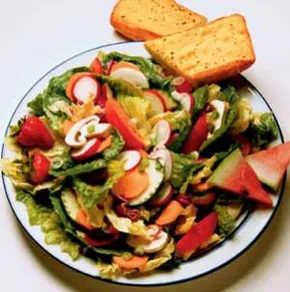
Cutting calories doesn’t mean starving yourself of good food. It means being smarter about where those calories come from. You want the most nutrients for the least energy cost. That’s the definition of nutrient-dense foods. Low calorie. High vitamin and mineral content. These are the heavy lifters in your diet. They keep you healthy while letting you manage your weight without feeling deprived.
If you want a routine that actually sticks for years, you have to balance your plate. Not just in theory, but in practice. You need something from every food group. Why? Because each one brings a different set of tools to the table.
Trying to eliminate an entire macronutrient is a recipe for disaster. Severely restricting carbs or fat doesn’t just lead to health issues down the road. It sets you up to fail. Seriously. Do you really think you’ll never eat another carb? Or that you’ll give up all high-fat foods forever? No one does. When you cut out whole food groups, you burn out. Then you rebound. You regain the weight. It’s a cycle. Plus, it’s biologically unsound. Your body runs on a mix of carbohydrates, protein, and fat. The 2005 Dietary Guidelines for Americans agree. You need all three.
How to Choose the Right Carbohydrates
The guidelines suggest carbohydrates should make up 45 to 65 percent of your daily calories. That sounds like a lot, but consider this: almost everything except meat, fish, and poultry has carbs. The trick is picking the right kind.
There are two main types: simple and complex.
Complex carbohydrates are the stars here. They’re packed with fiber, vitamins, and minerals. They’re naturally low in fat and calories. Fiber is key. It’s the indigestible part of plants. It acts like a sponge in your stomach, absorbing fluid and expanding. This makes you feel fuller faster, so you eat less. Fiber also regulates blood sugar. No spikes. No crashes. No sudden cravings that derail your day. It helps lower cholesterol and keeps your digestive system moving. You’ll find these in whole grains, legumes, and vegetables.
Avoid refined carbs like white flour and white rice. Most of the fiber and nutrients have been stripped away.
Simple carbohydrates exist in two forms. Naturally occurring sugars in milk, fruit, and veggies come with vitamins and minerals. They’re fine. Processed sugars, like table sugar and corn syrup, are empty calories. Devoid of nutrients. Steer clear.
Carbs are your body’s primary fuel. They break down into glucose, which powers your brain and muscles. Without enough, your body goes into survival mode. You feel tired. Light-headed. Foggy. You can’t think clearly. And here’s the kicker: limiting carbs can actually stop fat loss. Your body needs carbs to burn stored fat. Eat the right amount, and you’ll lose weight while feeling energized.
Protein: You Probably Eat Too Much
Smart protein choices include lean meat, fish, poultry, eggs, legumes, nuts, and seeds. Nuts and seeds are calorie-dense, so keep portions small. Use them as occasional choices, not staples.
Here’s a hard truth: the average American eats twice the recommended amount of protein. You don’t need to load up. You don’t need another protein shake. Typically, two or three servings a day is plenty.
Protein builds, repairs, and maintains your body. Some amino acids your body can’t make on its own. You have to get them from food. That’s why protein matters. But more isn’t better. Just right is enough.
Why You Need Fat (And Which Kind)
The MyPyramid food guide introduced a thin yellow band for healthy oils. This was the first time U.S. guidelines treated oil as a necessary food group. Healthy fats include vegetable oils, fish oils, and the oils in nuts and seeds.
But there’s a catch. You must limit solid fats. Think butter, lard, and the fats in processed foods and whole-fat dairy. These are high in calories but lack benefits.
Total fat should supply 20 to 35 percent of your calories. Most of it should come from oils. If fat is so calorie-heavy, why not cut it down to zero? Because fat is essential. It’s not the enemy.
Vegetable oils provide vitamin E. Healthy oils supply essential fatty acids, like omega-3s. Your body can’t make these. You must get them from food. They’re critical for brain and nerve development.
Fat recommendations vary by age because growing bodies have different needs:
- Adults : 20-35 percent of calories
- Ages 4-18 : 25-35 percent of calories
- Ages 2-3 : 30-35 percent of calories
- Newborns to age 2 : No specific limit (fat is crucial for development)
Understanding these ratios changes how you shop. It changes how you cook. You stop fearing fat and start choosing the right kind.
We’ll look at how to restrict solid fats and balance fluids and vitamins next.
Navigating Fat, Fluids, and Micronutrients for Real Results
So you’ve got the protein and carbs handled. Now comes the messy middle. The stuff people obsess over until they’re eating plain chicken breast and crying. Fat. Fluids. Vitamins. It’s not about cutting everything out. It’s about swapping the bad for the good without losing your mind.
Which Fats Help You Satiety and Which Clog Your Arteries?
Let’s clear up the biggest myth right now. Fat isn’t the enemy. It’s the type of fat that matters. You need fat to feel full. Without it, you’re grazing constantly. But if you’re aiming for that low-calorie, nutrient-dense eating plan that actually works, you have to be picky.
Stick to the liquid gold. Olive oil. Canola oil. Soybean, safflower, corn, sunflower. These are monounsaturated and polyunsaturated fats. They’re the good guys. The USDA Dietary Guidelines say you should keep saturated fats—think non-lean meat, full-fat dairy, coconut oil, palm kernel oil—under ten percent of your total calories.
Then there’s the real villain. Trans fats.
You find them in margarine. Fried foods. That box of cookies you hid in the cupboard. Hydrogenated oils. They turn unsaturated fats into saturated ones in a factory, and then your body turns them into artery-clogging cholesterol. It’s a double whammy for your heart.
For weight loss, aim for the low end of the recommended fat intake. About twenty percent of your calories. Go higher, and you’re just adding empty calories. Eat modest amounts of those heart-healthy oils. Skip the solid fats. It’s a trade-off, but it’s worth it.
How Drinking Water Actually Burns Fat
We talk about food. We barely talk about water. Big mistake.
Water has zero calories. It makes you feel full. It stops you from overeating. Simple as that. The rule of thumb? Eight cups a day. It’s not a suggestion. It’s a strategy.
Here’s the weird part. Water doesn’t just quench thirst. It helps turn stored body fat into energy. It transports the nutrients needed to make that happen. No water? No efficient fat burning.
It expands the fiber you eat. That’s why you feel satisfied after a big salad. It prevents fatigue. It clears mental fog. It stops headaches before they start. And don’t forget, fruits and veggies are mostly water. Eating them boosts your hydration naturally.
Why Nutrient Density Matters More Than You Think
You can eat low-calorie garbage all day. You’ll lose weight. You’ll also feel terrible.
The Dietary Guidelines are clear. Choose foods low in calories but brimming with nutrients. We’re talking vitamins A, C, D, E, K, and the B-complex. Minerals like calcium, magnesium, iron, zinc, selenium, potassium. And phytochemicals.
What are those? Natural plant substances. Carotenoids. Flavonoids. Isoflavones. They help prevent cancer. They fight chronic disease. They’re everywhere in plants.
Most people do it backward. They eat high-calorie, low-nutrient foods. Junk. Then they wonder why they’re tired, bloated, and still hungry. If you eat foods low in nutrient density, you have to eat more of them to get the vitamins you need. Which means more calories. Which means weight gain.
Flip it.
Choose nutrient-dense foods. Vegetables. Fruits. Whole grains. Low-fat or nonfat dairy. Lean proteins. These give you the tools your body needs to function. They help your fat cells release stored fat properly.
Building a Balanced Routine That Sticks
The Dietary Guidelines and MyPyramid aren’t rigid laws. They’re roadmaps. They show you how to eat delicious food from every group. Nothing is forbidden. You just watch the portions.
It depends on how many calories you need to lose. But the principle is the same. Balance your plate. Balance your day. Add physical activity.
It’s not about perfection. It’s about consistency.
Control your calories. Move more. Make wise choices. A healthier lifestyle isn’t a destination. It’s a habit. You build it one meal, one glass of water, one good choice at a time.
Do you really think you need a magic pill? No. You need to eat like a human being. Not a robot. Not a starved rabbit. A human being.
Start there.
Navigating the noise around health claims
We hit a wall of fine print here. Standard stuff, but necessary. The disclaimer you just read isn’t just legal padding. It’s a boundary.
This content is for information only. Not medical advice. The editors, publishers, and authors? They aren’t liable for what happens when you try a new diet, exercise, or medication based on this text. You’re reading a magazine, not a medical journal.
It doesn’t replace your doctor.
Before you start any treatment, talk to your physician.
That’s the rule. Always.
Why is this so hard to remember? We want quick fixes. We scan for answers online. But health is personal. What works for one person might be dangerous for another. The information here is general. Your body is specific.
Don’t guess. Ask.
There’s no shame in checking with a professional. It’s not about doubting yourself. It’s about staying safe. The internet gives you data. Your doctor gives you context. You need both.
So, read what you want. Learn what you can. But before you change your routine, pick up the phone. Call your healthcare provider.
It’s the only way to know for sure. And honestly? It’s worth the minute it takes.