You probably think lotions and creams are interchangeable. They’re not. While both products share the same basic goal—keeping water in that outermost layer of your skin—they function differently. One might be the right fit for your routine. The other might leave you greasy or dry.
Here is the breakdown.
The Science of Viscosity
Think of these products like motor oil. You define them by viscosity. That’s just a fancy word for thickness.
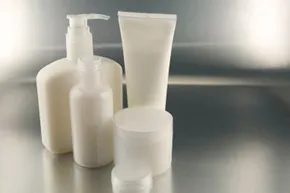
Lotions have low viscosity. They are thin. Fluid. You usually find them in squeeze bottles or pump dispensers because they flow easily. They are lighter. Less oily.
Creams are high viscosity. They are thick. Dense. You typically find them in jars. Trying to squeeze a thick cream out of a standard bottle is a messy, frustrating exercise.
Both can be oil-based or water-based. Most are water-based, meaning they are an emulsion of oil into water. Some are water-in-oil emulsions. The chemistry is similar. The application is not.
Why Does This Matter For Your Skin?
Experts recommend applying moisturizer immediately after showering. The goal is to lock in that water before it evaporates. You are creating a barrier.
But which product do you pick?
If you have normal skin, lotion is likely enough. It provides moisture without the heaviness.
If your skin is dry, you need the extra protection of a cream. The thicker consistency sits on top of the skin longer. It prevents water loss more effectively than a thin lotion.
Where to Apply What
Stop wasting product. Stop using heavy creams where they aren’t needed.
Use lotion for:
– Areas covered in hair (like the scalp or arms)
– Mild dryness (elbows, knees)
– Your face (unless it is extremely dry)
Use cream for:
– Severely dry patches
– Areas needing intense hydration
– Hands or feet if they are cracked
Your face is the most common mistake point. Unless your face is peeling or extremely dry, a lotion should suffice. Creams can be too heavy for facial skin, leading to clogged pores.
The Bottom Line
There is no universal rule. It depends on your skin type and the specific area of your body.
Dry skin? Go thick. Normal skin? Go thin.
It is that simple. Or is it? What about combination skin? That’s where it gets tricky. But that is a conversation for another time.