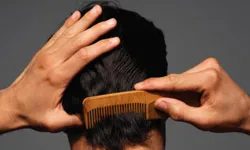
You’ve got the volume. The shine is there. Your outfit is sharp. None of that matters if you look like a snow globe every time you move. Flakes on black wool. White specks in dark hair. It’s distracting. It’s embarrassing. And it pulls the eye away from everything else you’re trying to project.
Dandruff isn’t a sign of poor hygiene. It’s not about not washing enough. It affects half the population. That’s a statistical certainty. The causes are a messy mix of dry skin, oily skin, eczema, psoriasis, or a yeast fungus called Malassezia. Seborrheic dermatitis is another culprit. It’s complicated. It’s frustrating.
But it’s treatable. You can buy your way out of it. The drugstore aisle is packed with shampoos, conditioners, and prescription-strength solutions. You can buy the cure. But prevention is smarter. Prevention is cheaper. And it works better in the long run. You want to keep the flakes at bay so your hair and clothes can do the talking.
Here is how to start building that defense.
Sun Exposure: Use With Caution
Sunlight helps a lot of skin conditions. Eczema. Psoriasis. Experts say it helps dandruff too. But it’s a double-edged sword. Too much UV damage leads to skin cancer. You don’t need hours in the sun. A few minutes can start damaging your DNA.
If you go for that natural remedy, keep it brief. Sunbathing is not a treatment plan. It’s a risk. Cover the rest of your body. Use sunblock. Protect your skin.
There is a catch. Some anti-dandruff shampoos, like coal tar formulas, make your scalp hypersensitive to UV light. Check the label. If it warns about sun sensitivity, stay out of the sun. Avoid tanning booths. Avoid sun lamps. You are trading one problem for a worse one if you ignore the warning.
Buy a Humidifier
Indoors and outdoors affect your scalp more than you think.

The Humidity Factor
The link between dry skin and true dandruff is still up for debate among dermatologists. But nobody argues about winter dandruff. If you have dealt with flakes, you know the pattern. The flakes multiply when the air turns cold and dry. Indoor heating and outdoor winds suck moisture from the atmosphere. This lack of humidity dries out your scalp. It adds to the flaking process.
A humidifier is a simple fix. Place one in every room you spend time in. Your bedroom. Your home office. Just be careful. A dirty humidifier is a health hazard. Bacteria and mold love stagnant water. Clean the tank frequently. Dry it completely before storing. Otherwise, you are just breathing in spores.
How to Manage Stress for Better Skin Health
Stress exacerbates almost every health issue. You cannot improve your physical health without addressing mental load. This applies to dandruff too. Experts believe stress triggers flare-ups. It makes the condition worse.
Reducing stress is easier said than done. The advice is standard. It is not magic. But it works if you do it.
- Adopt a positive mindset. This sounds cliché, but it shifts your reaction to triggers.
- Manage your time. Rushing creates cortisol. Plan ahead.
- Set boundaries. Learn to say no. Protect your energy.
- Practice breathing. Meditation calms the nervous system.
- Pursue hobbies. Do something just for fun.
- Move your body. Exercise burns off stress hormones.
- Watch your diet. Cut back on sugar. Limit caffeine.
- Connect with others. Friends and family provide support.
- Seek professional help. Talk to a doctor or therapist.
These tips are not exhaustive. They are a starting point.
Dietary Changes
Your diet does more than reduce stress. It directly impacts your scalp. What you eat can help prevent dandruff. Keep reading to learn which foods support a healthy scalp.

How Your Diet Affects Dandruff Prevention
The link between what you eat and how your skin looks isn’t a new discovery. But when you are specifically dealing with dandruff, certain nutrients might actually help clear up the flakes. It’s not magic. It’s biology. Zinc, omega-3 fatty acids, selenium, and B vitamins have been linked to healthier skin and hair by major health organizations like the Mayo Clinic.
If you want to tackle this from the inside out, start stocking your pantry with these specific foods.
Zinc sources
You don’t need to eat oysters every day to get your fix. Red meat, poultry, and crab work too. If you’re vegetarian, try beans, nuts, and whole grains. Dairy products and fortified cereals are also reliable picks.
Omega-3 fatty acids
Coldwater fish like salmon and halibut are the heavy hitters here. But if you aren’t a fan of fish, walnuts, flaxseed, and canola oil provide good alternatives. For a vegetable boost, look for broccoli, spinach, kidney beans, grape leaves, cauliflower, kiwi, and cantaloupe.
B vitamins
These are everywhere. Eggs, fish, milk, and whole-grain cereals are easy adds. Legumes, cabbage, broccoli, white potatoes, sweet potatoes, and lean beef round out the list.
Dry skin often mimics or worsens dandruff. Hydration helps. Drink more water. Eat more fruit. There are no strict rules on what to avoid entirely, but filling your plate with the items above is a solid first step.
This dietary approach is just the beginning. The next layer involves what you put directly on your scalp.
Adjusting Shampoo and Styling Products
Look around your bathroom. What do you see?
Hair spray. Mousse. Gel. Wax. Straightening sprays. Curling creams. Detangling mists. If you are like most women, you have no shortage of products. They make your hair look good. They also might be causing your dandruff.
These specialty sprays, lotions, and gels can build up on your scalp. That buildup flakes off. It can also cause oiliness or sensitivity. That leads to itching. And itching leads to more flaking. It’s a cycle.
If your hairstyle can handle it, try eliminating these products entirely. Just cut back.
If you can’t quit them, wash your hair thoroughly at the end of every day. In fact, frequent shampooing is another easy defense. Regular washing keeps dandruff-causing oils and skin cells from accumulating on your scalp.
If you are prone to dandruff, try washing your hair daily. It’s a simple change. It might just be the difference between a flaky scalp and a clean one.
Still curious about the deeper causes and treatments? Keep reading. There is more to unpack.
Why Your Scalp Is Reacting to Winter Weather
It’s not just you. The drop in temperature and humidity is real, and your skin feels it too. Cold air holds less moisture. Heating systems strip what little water your body has left. The result? Itchiness. Flaking. The whole miserable cycle of dry winter skin.
You might think dandruff is just a cosmetic nuisance. It isn’t. It’s often a sign of compromised skin barrier function or an imbalance in scalp microbiology.
What Actually Causes Dandruff and Dry Skin
Let’s clear up the confusion first. Dandruff and dry scalp are not always the same thing. Dry scalp means your skin lacks oil. It produces small, white flakes. Dandruff is usually linked to Malassezia, a yeast that lives on everyone’s scalp. When this yeast overgrows, it irritates the skin. The skin sheds faster to get rid of it. You get larger, oily, yellowish flakes.
“Cold weather means blizzards of dandruff.” — Jane Brody, New York Times
The American Osteopathic College of Dermatology notes that this yeast thrives in specific conditions. Stress plays a huge role. So does a weakened immune response. You might also be dealing with seborrheic dermatitis if the itching is severe or if you see red patches. This isn’t just about being dirty. It’s about biology and environment.
How to Treat Dandruff with Over-the-Counter Solutions
You don’t need a prescription immediately. Start with what’s on the shelf. But you have to pick the right ingredient. Not all shampoos work the same way.
- Zinc Pyrithione: This is the gold standard for many. It fights bacteria and fungus. Look for it in daily use shampoos if your condition is mild.
- Selenium Sulfide: Stronger. It slows down skin cell death. Good for thicker flakes. Warning: it can discolor blonde or chemically treated hair if left on too long.
- Coal Tar: This slows skin cell shedding. It helps with the itch. But it smells like asphalt. And it can make your skin sensitive to sunlight.
- Ketoconazole: An antifungal agent. Often found in stronger formulations. It targets the yeast directly.
If you try one and see no change in two weeks, switch the active ingredient. Using the same one won’t help if your scalp has adjusted or if the root cause is different.
Home Remedies for Flaky Scalp and Dry Skin
Sometimes the pharmacy aisle is too much. You want something gentle. Something natural.
- Tea Tree Oil: Known for its antimicrobial properties. A few drops in your shampoo can help reduce yeast buildup. Dilute it first. Pure oil can burn.
- Aloe Vera: Soothes the itch. It adds moisture back into the dry scalp without clogging pores.
- Coconut Oil: Acts as a pre-shampoo treatment. Massage it in. Leave it for thirty minutes. It penetrates the hair shaft. It doesn’t treat the yeast, but it helps the barrier.
- Apple Cider Vinegar: The acidity helps restore the scalp’s pH balance. Rinse with diluted vinegar after shampooing.
Daily Moisturizer Choices for Winter Skin
Scalp isn’t the only victim. Your hands, elbows, and face are cracking too.
Choose a moisturizer based on your skin type, not the marketing.
* For very dry skin: Look for creams, not lotions. Lotions have more water. Creams have more oil. Occlusives like petrolatum lock moisture in.
* For face: Non-comedogenic is key. You don’t want to break out while trying to heal dry patches.
* For body: Apply within three minutes of showering. Trapped water is what you’re sealing in.
Which Vitamins Help Prevent Scalp Issues?
What you eat matters. It shows up on your skin.
- Zinc: Crucial for skin health and healing. A deficiency can lead to dry skin and hair loss. Oysters, beef, and pumpkin seeds are good sources.
- Selenium: Acts as an antioxidant. Protects skin cells from damage. Brazil nuts are the most potent source.
- B Vitamins (Biotin and Pantothenic Acid): Support skin repair. Deficiencies here can cause dermatitis. Eggs, almonds, and whole grains help.
- Omega-3 Fatty Acids: Reduce inflammation. WebMD notes that good fats help maintain skin elasticity. Fish, flaxseeds, and walnuts are your best bets.
Vitamin D is also linked to skin health, though the Skin Cancer Foundation advises caution with supplementation. Get it from food or moderate sun exposure, not just pills.
How to Manage Stress to Stop Itch-Scratch Cycles
Stress triggers inflammation. Inflammation triggers flaking. Flaking triggers itching. Itching triggers more stress.
Break the loop.
HealthFinder.gov suggests simple stress management techniques. They aren’t glamorous.
* Deep breathing exercises.
* Short walks.
* Limiting caffeine.
When you’re stressed, you pick. You scratch. You damage the barrier. The cycle continues.
When to See a Dermatologist
Home remedies and OTC shampoos work for most people. But not all.
See a doctor if:
* The itching is severe and disrupts sleep.
* You see signs of infection (pus, extreme redness).
* The flakes are thick and crusty.
* Over-the-counter treatments fail after a month.
Severe cases might require prescription-strength topical steroids or antifungals. Don’t wait until it spreads to your face or body.
Humidifiers help too. Add moisture to the air in your bedroom. It won’t cure dandruff alone, but it reduces the dryness that aggravates everything else.
The goal isn’t perfection. It’s management. Your scalp is a living ecosystem. Treat it with patience.