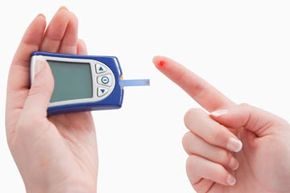
There was a time when a diabetes diagnosis came with a silent, heartbreaking veto on motherhood. The medical advice was stark: don’t try. The risks were simply too high. That era is over. Today, women with diabetes routinely conceive, carry pregnancies to term, and deliver healthy babies. The danger hasn’t vanished, but the fear has been replaced by management.
It’s not a free pass, though. Type 1 and Type 2 diabetes still cast long shadows over fertility for both men and women. They can damage sperm. They can make conceiving harder. They increase the risk of miscarriage. Women with Type 1 are statistically more likely to have a baby with a birth defect or arrive at birth prematurely.
But here is the part the brochures often miss: these challenges are manageable. They are not stop signs. They are signals. Pay attention to your body. Respond. The path to a healthy pregnancy exists, but it requires understanding the machinery first.
How Insulin Failure Impacts Reproduction
To get why this happens, look at the basics. Your body digests food. Insulin acts as the key that unlocks your cells, letting glucose (sugar) in for energy. It is a vital, life-sustaining hormone.
Diabetes is a glitch in this process.
In Type 1 diabetes, the pancreas stops producing insulin entirely. In Type 2, the pancreas doesn’t make enough, or your cells ignore it (insulin resistance), or both. This metabolic flaw ripples outward. When you’re trying to conceive, your body is essentially asking: Is the environment safe for life to grow?
High glucose levels disrupt that answer.
Type 1 Diabetes: The Balancing Act
You’ve heard women call themselves “hormonal” during pregnancy. Hormones are chemical messengers. In Type 1 diabetes, the balance is even more precarious because you are manually managing a hormone your body refuses to make.
Blood sugar swings are the enemy of conception. If your levels are too high or too low, fertilization and implantation become risky. This is why pre-conception planning isn’t just a suggestion; it’s a necessity.
“The goal is to establish a stable physical environment that encourages pregnancy and allows the baby’s growth to proceed without complications.”
For those with Type 1, this means monitoring blood sugar multiple times a day. It means meeting with your doctor to build a plan before you even try. Insulin needs shift constantly during pregnancy, so rigidity in monitoring is key.
There are secondary hurdles, too. Diabetes can trigger autoimmune responses that attack other hormones. Thyroid-stimulating hormones may falter. Follicle-stimulating hormone (FSH) can be compromised. A doctor needs to check these levels before you start trying.
Men are not exempt from these biological warnings. Type 1 diabetes can lead to erectile dysfunction or nerve damage that causes retrograde ejaculation (where sperm enters the bladder instead of exiting). It’s uncomfortable to discuss, but vital to address.
About 15% of diabetics have Type 1. The other 85% face a different set of obstacles rooted in lifestyle and metabolism.
Type 2 Diabetes: Timing, Weight, and Hormones
Type 2 diabetes is a different beast. It is most often linked to being overweight or obese over a long period. That extra weight creates insulin resistance.
Here is the domino effect: insulin is a hormone. When insulin is out of whack, it drags other hormones down with it. Testosterone, estrogen, progesterone—all of them get tangled up.
For women, this means ovulation becomes erratic. Cycles become unpredictable. Perfect timing, which is already tough in natural conception, becomes nearly impossible to guess. Infertility specialists generally advise waiting a year of trying before seeking help, but with Type 2 diabetes, that clock ticks faster. Unpredictable cycles make the “wait and see” approach risky.
For men, the hormonal imbalance can trigger cysts on ovaries (in partners, due to shared lifestyle factors) or directly impact sperm quality and erectile function.
Breaking the Cycle
The link between Type 2 diabetes and weight is a trap. Insulin resistance causes weight gain. Weight gain worsens insulin resistance. It is a hard loop to break.
However, breaking it is the most effective fertility treatment available for Type 2 diabetes.
Specialists encourage a four-pronged approach:
* Eat healthy. Focus on blood-sugar-stabilizing foods.
* Exercise. Improve physical fitness to increase insulin sensitivity.
* Lose weight. Even modest reductions can restore ovulation.
* Monitor blood sugar. Keep data to show your doctor.
Supplements can help, too. But if lifestyle changes aren’t enough, medication is on the table. Metformin, clomiphene citrate, and letrozole are common tools used to jumpstart fertility in diabetic patients.
It is hard work. Changing how you eat and move when your body is fighting you is exhausting. But the reward is often a healthy pregnancy. The biology is complicated, yes. But it is not a dead end.
Click ahead to see how Type 2 diabetes intersects with polycystic ovarian syndrome, a condition that shares many of these hormonal roots.
The PCOS-Diabetes Connection
It’s not just a coincidence. Polycystic ovarian syndrome (PCOS) and Type 2 diabetes share the same underlying fuel: insulin resistance. When your body can’t use insulin properly, blood sugar spikes. That chaos triggers the ovaries to produce excess androgens. The result? Multiple cysts form. Periods become erratic or stop entirely. Ovulation fails. And for many women, the path to pregnancy feels blocked before it even starts.
The link is strong. Women with PCOS are significantly more likely to develop Type 2 diabetes than those without the condition. It’s not about being overweight, either. While weight management is part of the strategy, lean women with PCOS still face high risks of insulin dysregulation. The hormone imbalance itself drives the metabolic dysfunction.
Metformin: More Than a Diabetes Drug
You’ve probably heard of Metformin. It’s the go-to medication for Type 2 diabetes. But for PCOS patients, it’s a lifeline. Prescribed off-label for years, it helps lower blood glucose and improve insulin sensitivity. When insulin levels drop, androgen production often follows. The cysts may shrink. Ovulation might return.
It’s not a cure. It’s a tool. Alongside dietary changes and exercise, it helps stabilize the hormonal environment. Think of it as resetting the baseline. Without that stability, treatments for infertility often fail.
Who Is Most at Risk?
Genetics play a role. Ethnicity matters. Hispanic and African-American women are diagnosed with PCOS at higher rates than their white or Asian counterparts. Why? Researchers point to genetic predispositions to insulin resistance. The body struggles to process sugar more efficiently. This metabolic strain can trigger PCOS symptoms earlier or more severely.
But here’s the thing: you don’t have to fit the stereotype. A woman can be slim. She can eat “well.” She can still have PCOS. The condition is about hormones, not just body mass. If your cycles are irregular, if you’re struggling with unwanted hair growth or acne, get tested. Don’t assume it’s just stress.
Breaking the Cycle of Anovulation
Anovulation—failure to release an egg—is the single biggest hurdle. It accounts for roughly 25% of all infertility cases. And PCOS is the leading cause. No ovulation means no pregnancy. Naturally.
Breaking this cycle requires addressing the root, not just the symptom. Clomiphene citrate or letrozole are often used to induce ovulation. But if insulin resistance remains unchecked, these drugs work less effectively. This is why managing blood sugar isn’t optional. It’s foundational.
Planning a Future Despite the Diagnosis
Does diabetes or PCOS mean you can’t have children? Absolutely not. It just means you need a roadmap. Professional guidance is non-negotiable. Monitoring blood sugar and hormonal levels isn’t just for health; it’s for reproductive success.
Pregnancy with Type 2 diabetes requires meticulous care. Blood sugar spikes can affect fetal development. But with proper management—diet, medication, monitoring—healthy pregnancies are the norm, not the exception. The same applies to PCOS. Many women conceive naturally once insulin sensitivity improves. Others need help. All have options.
The diagnosis feels like a door slamming shut. It’s not. It’s a