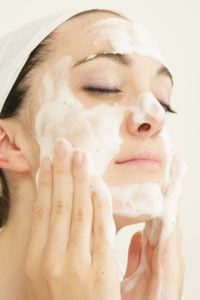
Stop scrubbing your face like it’s a cast-iron skillet.
If your complexion feels tight, red, or perpetually confused, the culprit might be hiding in your bathroom cabinet. We’ve been conditioned since elementary school to believe that skin care requires aggressive lathering and rough towels. That logic belongs in a garage, not on your delicate facial skin. It’s time to dismantle the routine that’s been working against you.
The Case for Gentle Cleansers
Using body soap or deodorant bars on your face is a chemical mismatch. The skin on your underarms is tougher, dealing with friction and odor-causing bacteria in a way that your cheeks never do. When you drag a harsh, alkaline soap across your face, you’re stripping away the natural moisture barrier. Your skin’s natural pH hovers around 5.5. Most traditional soaps sit higher on the alkaline scale. This imbalance doesn’t just clean; it irritates.
You need a cleanser that matches your biology, not just your convenience. If you have sensitive skin, rosacea, or extreme dryness, even hot water can act as an irritant. Look for products labeled “soap-free” or formulated for specific concerns like acne or sensitivity. Ingredients like glycerin or specific alcohols can help, but avoid anything with added fragrance. Fragrance is a leading cause of contact dermatitis, and your face deserves better than perfume-laced runoff from your shower.
Water Temperature Matters More Than You Think
The temperature of your tap water dictates how your pores react. Hot water is a mistake. It dissolves the natural oils your skin needs to stay plump and protected. Instead, wash with lukewarm water. It’s gentle enough to dissolve dirt without causing inflammation.
Here is the trick most people miss: finish with a cool rinse. Cool water helps tighten the appearance of pores and soothes the skin after cleansing. It’s a simple shift in temperature that makes a tangible difference in how your skin feels all day.
Tools (Or Lack Thereof)
Do you need a washcloth? Probably not. If you have sensitive skin or are prone to breakouts, fabric friction is an invitation for micro-tears and bacterial transfer. Your hands are likely cleaner than that old towel hanging by the sink. If you insist on using a tool, choose one made for sensitive skin, but know that water alone is often sufficient for most skin types.
Scrubs are another point of contention. Physical exfoliants with ground fruit pits can be jagged and damaging. If you must exfoliate, look for gentler alternatives like polyethylene beads or chemical exfoliants that dissolve dead skin without abrasion. For many, skipping the scrub entirely is the best way to maintain a healthy barrier.
A Soothing, DIY Mask Recipe
Once a week, your skin might appreciate a pause. If your dermatologist gives the green light, a simple mask can provide hydration and calm. You don’t need to buy expensive jars from the store.
Mix one-half cup of plain yogurt with one-fourth cup of honey. The yogurt provides lactic acid, a gentle exfoliant, while honey is naturally humectant and antibacterial. For added texture and soothing properties, grind a packet of instant oatmeal in a food processor and stir it into the mixture.
Apply two or three tablespoons to your clean face, avoiding the eye area. Let it sit for five to ten minutes. Rinse off with warm water and pat dry. It’s cheap, effective, and free of the preservatives found in shelf-stable masks.
The Routine Checklist
Preparation is half the battle. Start by pulling your hair back. You don’t want stray strands transferring oils back onto your cleansed face. Then, wash your hands. You spend your day touching doorknobs, phones, and other surfaces covered in germs. Transferring that grime to your face undermines every other step you take.
For most people, washing twice a day—morning and night—is the sweet spot. If you have extremely oily skin, you might benefit from a midday rinse to remove excess sebum. Post-workout, always wash gently to remove sweat. Sweat itself isn’t dirty, but when it mixes with bacteria and makeup, it can clog pores.
Remember, skincare isn’t about perfection. It’s about maintenance. By switching to gentle, pH-balanced cleansers and respecting your skin’s natural barrier, you’re not just cleaning dirt. You’re preserving the health of the skin you’re wearing every day.
The question isn’t how clean you can get. It’s how gently you can treat the surface that carries your expression.
The Finishing Touches
You don’t need a whole jar of product to do the job. A dollop the size of a nickel is plenty. Just your hands will do the heavy lifting, or a soft washcloth if you’re feeling fancy. If your skin leans toward dry or sensitive, skip the cloth entirely. Friction is the enemy here. Keep your touch light. Use gentle circular motions and let your fingertips do the work.
Scrubbing feels good in the moment. It feels like you’re really getting in there. But if you’re dealing with acne, aggressive scrubbing is a trap. It strips the barrier. It inflames the tissue. You’ll end up with more redness and more breakouts than you started with. Less is more.
Your eyes are different. The skin on your eyelids is the thinnest on your entire body. Treat it with respect. You need a mild makeup remover that doesn’t require tugging. Look for formulas that rinse off with water. Waterproof mascara might promise longevity, but the removal process often involves too much force. That force causes micro-tears. Stick to easy-to-remove options when possible.
If you want to exfoliate without harsh scrubs, a woven mesh product works wonders. Some come pre-loaded with a gentle cleanser. Disposable facecloths are another option, though they usually sit dry until you wet them. An open-weave texture is kinder to your complexion than a tight, dense weave. It lifts debris without the abrasion.
Decoding the Labels
Skincare aisles are a minefield of jargon. Knowing what the words actually mean saves you money and your complexion.
Hypoallergenic simply means the product is less likely to trigger an allergic reaction. It’s a good baseline for sensitive skin types.
Noncomedogenic is the term you want if you break out easily. It means the formula won’t clog your pores. Clogged pores are the primary cause of comedones, or blackheads and whiteheads.
Oil-free is another signal to watch for. These products are formulated to help prevent acne by not adding extra oil to an already oily canvas.
Drying and The Wait
Pat, don’t rub. Your face is wet and vulnerable right after cleansing. Rubbing with a towel drags at the skin. It causes irritation. Use a clean towel every single time. You don’t want to reintroduce bacteria and dirt from a used cloth back onto your freshly cleaned pores.
Once your face is dry, pause. Do not rush into the next step. If you use a topical medication, like benzoyl peroxide or retinoids, wait. Your skin is most absorbent immediately after washing. Slapping medication on damp skin can lead to stinging, redness, and a cycle of irritation that perpetuates breakouts. The American Academy of Dermatology suggests waiting five to fifteen minutes. Let your skin’s pH normalize. Let the water evaporate completely.
What Triggers Reactions
What you apply after drying defines your skin’s health long-term. Fragrances are a common culprit. So are preservatives. If you notice itching or redness, one of these hidden ingredients might be the offender:
- Paraben
- Imidazolidinyl urea
- Quaternium-15
- DMDM hydantoin
- Phenoxyethanol
- Methylchloroisothiazolinone
- Formaldehyde
These chemicals keep products from spoiling. They also keep skin on edge. If you have a reaction, check the label against this list.
The Reality of “More”
We tend to think that more product equals better results. The average woman uses at least seven skin-care products in a typical day. That count includes cleansers, moisturizers, sunscreen, and makeup. It often bleeds over into hair products, perfume, and nail polish. That’s a lot of chemical exposure for one face.
Face washing isn’t just about getting clean. It’s about stripping away the day without stripping away your health. It requires the right tools. The right cleanser. A conscientious drying technique. Do it right, and your skin will reflect that care. Do it poorly, and you’re just fueling the fire.
There’s always another step to add. Another serum. Another mask. The industry wants you to believe that. But the basics remain the same. Cleanse gently. Pat dry. Wait. Listen to what your skin tells you when it reacts.
The sources for these dermatological guidelines come from heavy hitters like the American Academy of Dermatology, the Mayo Clinic, and DermNet. They’ve spent decades studying how skin behaves. The consensus is clear: simplicity wins. Overloading your routine with too many active ingredients or harsh exfoliants often does more harm than good. You don’t need to reinvent the wheel every morning. You just need to be consistent. And gentle.