The science behind traditional antiperspirants is complex. There is no clear and unequivocal answer to how long-term use affects our health. Some studies suggest a link to hormonal imbalance. Some people notice clogged pores and skin irritation. The information is not conclusive. This uncertainty leaves a void. People fill it.
Many people are moving away from industrial products. They wanted something milder. They want to know what is happening to their skin. Some people buy natural alternatives. Some people roll up their sleeves. They mix the ingredients at home. DIY deodorant has become a serious hobby. It’s about control. It’s about safety.
This change is not just about fear. It’s a matter of taste. Natural ingredients like baking soda, coconut oil and essential oils offer a different experience. Absorbs moisture. It smells delicious. It doesn’t feel like a chemical. For many women, this is a viable option. This is part of a wider wellness trend.
Promote safer body care
Why switch? There are many reasons. Some people have sensitive skin. Commercially available deodorants can cause rashes. Some people are concerned about aluminum. It is often used in antiperspirants. It blocks the sweat glands. Some people don’t like this concept. They want their bodies to function naturally. Sweating is normal. It cools us down. Releases toxins. Some may think it is wrong to tolerate it.
It also has an environmental aspect. Plastic bottles. Harsh chemicals in water systems. Natural products are often delivered in compostable packaging. They use simpler ingredients. This is important. This is part of being an informed consumer.
The market also reacted. Shelves are full of “clean” options. However, not all natural products are created equal. Some still contain irritating substances. This is where DIY comes into play. You control the recipe. You know what’s in it. It is transparent.
Natural body care is not just a trend. This is the answer to uncertainty.
Create your own natural deodorant
Deodorant is easy to make at home. You will need some basic materials. Coconut oil is a base. It has antibacterial properties. Baking soda absorbs odors. Arrowroot powder helps with moisture. Essential oils can add fragrance. Tea tree oil is very popular. It fights bacteria. Lavender has a calming effect. Peppermint has a refreshing effect.
The process is simple. Melt the coconut oil. Combine the dry ingredients. Add essential oils. Pour into a container. Let it set. It takes about an hour. The result is a solid deodorant. Applying is easy. It lasts all day. For many people, it is more effective than the store-bought version.
But it’s not perfect. Baking soda can irritate some skin types. If you’re sensitive, try less of it. Or skip it. Use magnesium hydroxide instead. It’s milder. Experimentation is the key. Everyone’s body is different. What works for one may not work for another.
Navigating the Transition
The transition from traditional deodorants to natural deodorants is not quick. There will be an adjustment period. Your body needs to regain balance. Sweating may increase. The smell may change. This is normal. This is called a “detox period”. It takes several weeks. be patient. Use a washcloth. Clean often. Give your body
TrucMania has compiled some homemade deodorant recipes. The goal is simple. It is quick, practical and easy to do at home. But before you start mixing oils, do a quick reality check. Contact your doctor first. Your skin type determines what works for you and what causes irritation. Do not skip this step.
Eucalyptus deodorant recipe
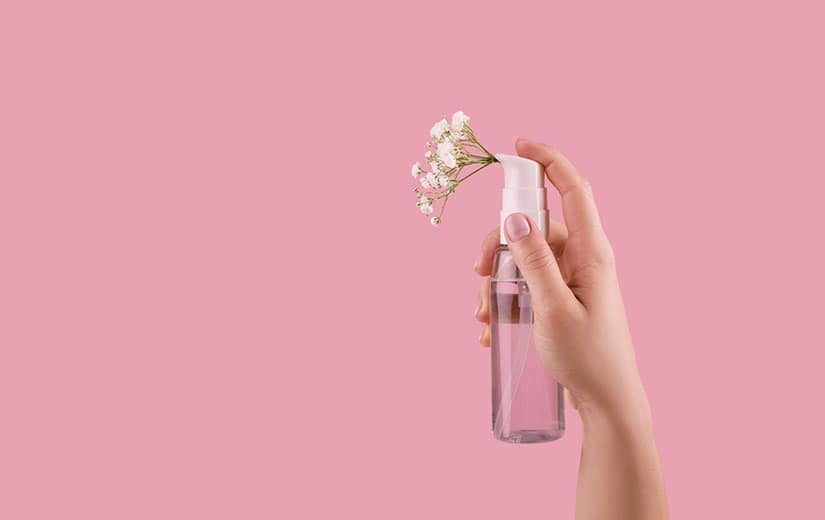
This is a liquid spray. Here’s what you need:
- 1/4 cup witch hazel water
- 25 drops of lemon essential oil
- 25 drops of eucalyptus essential oil
- an empty spray bottle
Witch hazel is more than just a trendy skin care product. It has real anti-inflammatory and antioxidant properties. When combined with essential oils, you get a mixture that fights the bacteria that cause body odor. Some users report that it helps reduce skin discoloration.
Clean the spray bottle thoroughly for this. Mix all the ingredients well. Shake well before use. It’s that simple.
Grapefruit deodorant stick
This version is thicker. Similar to traditional sticks. Here’s what you need:
- 5 tablespoons of coconut oil
- 1/4 tablespoon baking soda
- 1/2 tablespoon cornstarch
- 20 drops of grapefruit essential oil
Corn starch plays a special role here. Reduces friction. Keep your underarms smooth whether you wear it over clothes or when you move naturally. Grapefruit oil adds a refreshing scent, but its real value lies in its antibacterial properties. Awakens the senses and keeps things clean.
Mix everything until you get a smooth consistency. Store in a clean glass jar. Apply it with your fingers or a tongue depressor. If you don’t refrigerate it, the coconut oil will melt.
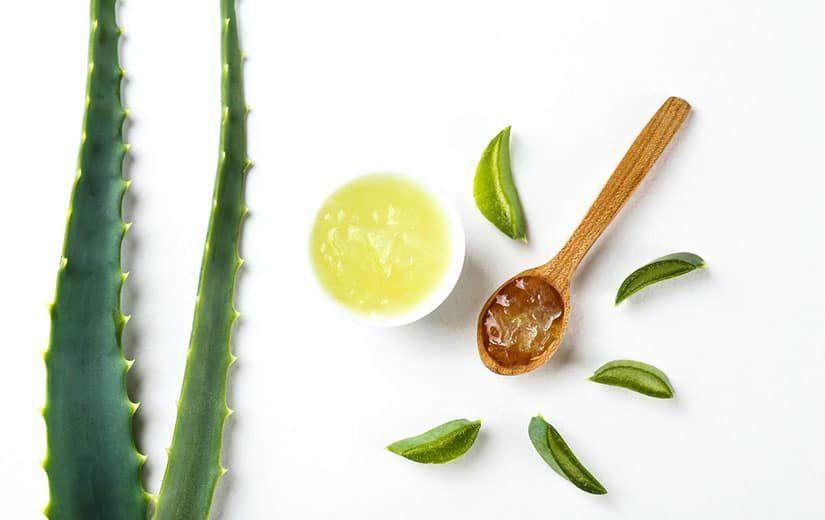
Aloe Vera deodorant gel
The source article cuts off here and only mentions the title of the third recipe. This list ends abruptly with “Aloe Vera Gel Deodorant”.

You don’t necessarily need to shell out for expensive serums to get that glow. Sometimes the best skin care products are in your kitchen. Check out two simple, natural toner recipes that target hydration, brightness, and texture.
Soothing Aloe Rose Toner
This is all about soothing irritation and locking in moisture. It’s gentle on sensitive skin, yet powerful enough to treat daily dullness.
What you need:
– 2 tablespoons of aloe Vera pulp
– 1 tablespoon of lemon juice
– 1/2 tablespoon of baking soda
– 1 tablespoon of rose water
– 1 teaspoon of glycerin
Aloe Vera is more than just a trendy ingredient. It’s a workhorse for skin health. It moisturizes, smoothes the skin and has natural antibacterial and antiviral properties. Glycerin plays an important role as a moisturizing agent and forms a protective barrier for the skin.
How to do:
First, combine the lemon juice and baking soda in a small saucepan. Heat to a gentle boil. Remove from heat and stir in the rose water. Allow the mixture to cool completely and then add the aloe vera pulp and glycerin. Stir until everything is well combined.
Store this mixture in a glass jar. Contains fresh aloe vera and lemon, so keeping it cold maintains its effectiveness.
“Aloe Vera keeps the skin hydrated and youthful while providing natural healing benefits.”
Rose and Flaxseed Hydrating Mist
If your skin looks tight or dull, use this toner to rejuvenate your skin. It’s light, smells great and helps balance your skin’s pH.
What you need:
– 1/2 cup of rose water
– 1/4 cup baking soda
– 1/4 cup of distilled water
– 1 tablespoon of flax seeds
– Glass jar for storage
Rose water has been a beauty product for centuries, mainly due to its high vitamin C content. This prevents oxidation and keeps your skin brighter for longer. Flaxseed has additional benefits. They help calm acne and maintain moisture on the surface of the skin.
How to do:
Boil flax seeds in distilled water for about 2 minutes. You can see that the water has become a little thicker. Remove from heat and let cool. Strain and remove the seeds. All you need is liquid. Once cooled, add baking soda and rose water and stir.
Store in a glass jar at room temperature. Shake well before use as natural ingredients may precipitate.
Baking soda and cornstarch paste
Although the ingredients are separated here, this combination is typically used as a gentle exfoliant or spot treatment rather than a liquid toner. Cornstarch absorbs excess oil and baking soda smoothes the texture. To use, mix a small amount of each ingredient with water to form a paste, apply to the problem area for a few minutes, then wash off. Baking soda can be drying for some skin types, so be sure to do a patch test first.
Such natural recipes are not a silver bullet. They won’t replace a dermat
Simple rosemary deodorant
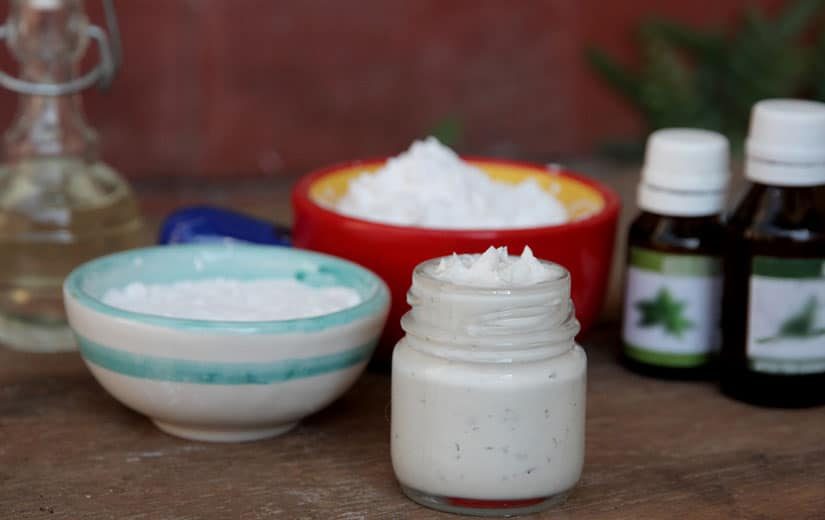
This is about the easiest. You will need half a cup of baking soda, half a cup of cornstarch, two tablespoons of coconut oil and 10 drops of rosemary essential oil. The logic here is simple. Baking soda kills bacteria. Coconut oil has a similar effect, soothing inflammation and moisturizing the skin at the same time. Rosemary adds a light aroma and preserves the elasticity of the skin. If you don’t like the smell of rosemary, try replacing it with another fragrance oil. The mechanics haven’t changed much.
Mix everything until you get a smooth paste. Don’t overdo it when applying. A thin layer is enough. Allow the oil to absorb before dressing. It makes the difference between feeling dry and feeling soft.
Vanilla solid deodorant
This version has more texture, mainly thanks to the beeswax. You need 20 grams of beeswax, 25 grams of shea butter, 40 grams of sweet almond oil, 20 grams of zinc oxide, 4 vitamin E capsules and 3 drops of vanilla extract. Beeswax strengthens the skin’s protective layer and offers light, natural UV protection. Zinc oxide is the workhorse here, removing odors by neutralizing bacteria. Vitamin E keeps things soft.
Heat the beeswax, almond oil and shea butter in a saucepan until they melt. Remove from heat. Add zinc oxide, vitamin E and vanilla extract. Pour into a container. Wait until it is completely cured before use.
White clay deodorant
White clay absorbs toxins well and heals minor infections. Combine with calendula essential oil, which is known to treat skin damage and soothe inflammation. The base is 50 grams of baking soda, 25 milliliters of coconut oil and 50 grams of white clay. You also need a glass jar for storage.
Mix until smooth. Can be stored for a year if stored in a cool, dark and dry place. A homemade product made in small quantities lasts a long time.
Citrus deodorant
The citrus version uses the same base as the rosemary, but the scent profile changes completely. You will need half a cup of baking soda, half a cup of cornstarch, two tablespoons of coconut oil and 10 drops of citrus essential oil. Oranges, grapefruits and lemons are effective. The antibacterial properties of baking soda and coconut oil remain the same. Just using essential oils can change your mood.
Mix thoroughly. Apply sparingly. Let it absorb. Citrus oils can cause photosensitivity, so be careful when wearing sleeveless tops in direct sunlight. It’s not a deal breaker. Just the details to remember.
Why this matters
Most commercially available deodorants contain alcohol and fragrances to mask odors, which can irritate sensitive skin. These formulas address the underlying cause. They neutralize bacteria and absorb moisture without clogging pores. The materials are inexpensive. The results are personal. You know exactly what goes on your skin. No fillers. No preservatives you can’t pronounce. Only a simple chemical reaction and a little time are needed.
Storage tips
Glass bottles are best. Over time, plastic can absorb oils, especially citrus and lavender. Keep away from heat. Melting points vary, but bathroom drawers are often too damp. A shelf in the bedroom or a cool pantry is more effective. Label the jar. Dates help. I wonder if the coconut smell comes from the freshness or the acidity.
Adjusting for Sensitivity
Baking soda is powerful. for
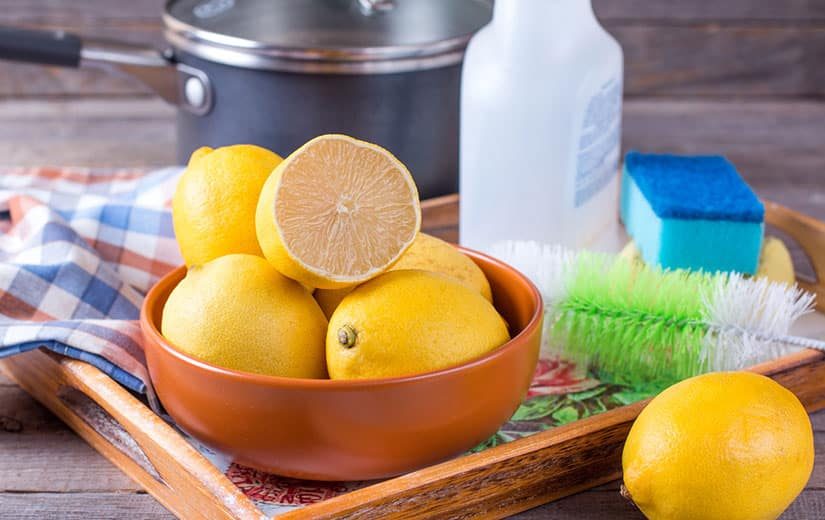
You will need 3 tablespoons of baking soda, the peel of 4 lemons, 3 oranges, 3/4 cup of sea salt and 1 liter of water.
Sounds like a recipe, right? It’s not. This is chemistry.
The magnesium in sea salt has anti-inflammatory effects on the skin. Citrus peels have antibacterial properties due to their high vitamin C content and strong, clean scent.
Finely chop the skin. Boil for 5 minutes in 1 liter of water. Strain. Allow to cool. Mix everything into a paste. Store in a jar. Spread with fingers.
it works. But it’s confusing. It gets dirty.
There are cleaner alternatives. One that doesn’t turn your armpits into a science experiment.
Deodorant made of water and lavender vinegar
This version is simpler. Lighter. Less abrasive.
Mix distilled water and lavender vinegar in a ratio of 1:1. Pour into a spray bottle. Spray under the armpits after showering. Allow to dry.
Lavender vinegar destroys the growth of odor-causing bacteria. Water dilutes it so it doesn’t sting.
No baking soda. No salt paste. No citrus stains on white shirts.
Is it as effective as commercially available deodorants? Not immediately. Your body needs time to adjust. The transition is real. The smell changes. Changes in sweat patterns.
Wait 2 weeks.
If you have sensitive skin, skip the citrus paste altogether. Continue spraying with vinegar. Or try plain alum stone.
Which method fits your daily life? Paste for deep cleaning. Daily maintenance spray.
Neither will last as long as aluminum based products. Apply again. That’s the compromise.
But your skin breathes. And your clothes stay clean.
What happens when you quit? The smell is back. Of course. Bacteria are always present. Waiting.
All that remains is to manage them. Not eliminating them.
Is that enough? For many women, yes.
Not for others. And that’s okay.
Try the vinegar spray first. See how it feels. Then decide.
The jar of paste can wait.
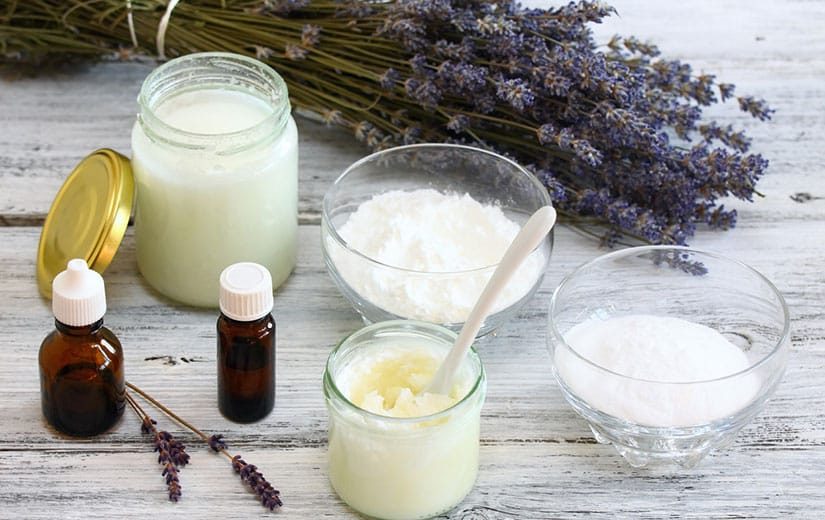
You don’t need a chemistry degree to make your own deodorant. All you need is a few pantry staples and the patience to let them sit.
We’ll show you how to make a simple lavender spray and thicker probiotic balm.
Lavender and apple cider vinegar spray
Start with a clean, sterilized spray bottle. You will need the following:
- 15 drops of lavender essential oil
- 1/2 cup apple cider vinegar
- One fresh sprig of lavender
- a glass of water
Lavender smells good. It also fights inflammation and bacteria. Apple cider vinegar does similar work. But vinegar itself can sting raw skin. That is why it is diluted with water. It keeps the mix gentle enough for daily use.
Combine the water, vinegar, and essential oil in your bottle. Wash the lavender sprig thoroughly. Drop the flowers into the liquid. Let it sit for ten hours. During soaking, the aroma and properties are absorbed into the mixture.
Shake it before every use. Spray onto clean skin. Ideal for refreshing during or after the shower, before getting dressed.
Lavender fights bacteria. The vinegar balances pH. By combining these, you get a simple and effective antibacterial spray.
Probiotic deodorant balm
If you prefer a stick or solid balm instead of a spray, try this recipe. It uses fats to create a barrier on the skin.
Here’s what you need:
- 1/2 cup cocoa butter
- 1/2 cup coconut oil
- 3/4 cup cornstarch
- 3 probiotic capsules (shelf-stable, no refrigeration needed)
- 15 drops of sandalwood essential oil
Cocoa butter is rich in polyphenols. These act as antioxidants. They help protect your skin from sun damage. Coconut oil keeps the balm soft. Cornstarch absorbs moisture.
The probiotics are the key ingredient here. They bring antibacterial benefits to the surface of your skin. This helps reduce inflammation. It also helps prevent acne-like breakouts in sensitive areas.
Melt cocoa butter and coconut oil together. A double boiler works well. Keep the heat low. Do not let it boil.
Remove the mixture from the heat. Allow to cool slightly. Adding essential oils or probiotics when too hot can kill the good bacteria.
Crush the probiotic capsules. Stir them into the cooling liquid. Add cornstarch. Mix until smooth. Pour the liquid into a small jar or deodorant stick container.
Let it harden. Once it is solid, you are ready to use it.
Probiotics target odor-causing bacteria. It is more effective than masking the smell because it addresses the root cause.
Why natural deodorants feel different
Switching from aluminum-containing antiperspirants to natural products requires adaptation. You may notice that you sweat more. This is normal. Your body will adapt to this change.
Natural deodorants cannot stop sweating. They control odors. Sweat itself does not smell. Bacteria on the skin break down sweat proteins. This is the cause of the smell.
Lavender spray can reduce bacteria. Probiotic creams bring beneficial bacteria.