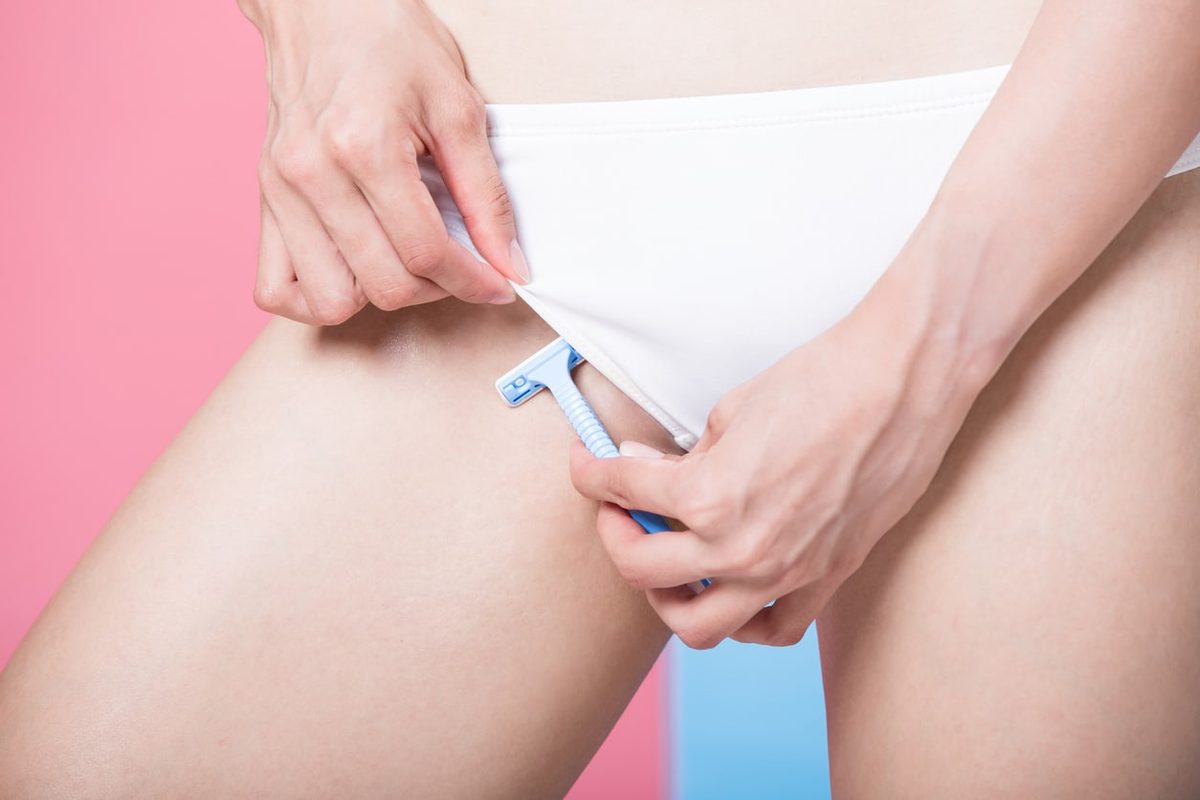
Winter is supposed to be cozy. Instead, it’s often a season of scratching, redness, and the dreaded ingrown hair. You want smooth skin under that oversized sweater, but the reality is bumps, inflammation, and the frustration of trying to fix a problem that keeps coming back.
There is a better way. It isn’t just another trend. It’s a shift in how we treat hair removal entirely.
Why Ingrown Hairs Ruin Your Skin (and Your Mood)
Ingrown hairs aren’t just a cosmetic annoyance. They are a physical irritant. When a hair curls back into the skin instead of growing out, the body treats it like a foreign object. This triggers inflammation. The result? Redness, itching, and sometimes painful cysts.
This is especially common in winter. Why? Because we wear tight, warm fabrics. Sweat. Friction. Lack of airflow. Your skin is stressed. If you shave or wax during these months, you’re adding fuel to the fire. The hair follicle gets blocked or damaged, and the hair grows sideways. It’s a cycle that’s hard to break with traditional methods.
The Limits of Razor and Wax
Most of us start with a razor. It’s fast. It’s cheap. But razors cut the hair at an angle. This creates a sharp tip. When that hair grows back, that sharp tip easily pierces the skin from the inside out. Repeat this all winter, and you’re inviting trouble.
Waxing seems like the upgrade. Pulling the hair out from the root feels smoother for longer. But waxing can be traumatic for the skin. If the hair breaks or grows back weaker, it’s more likely to get trapped under the surface. Plus, if the waxing technique isn’t perfect, you can direct the new growth into the wrong angle.
Neither method attacks the root cause. They manage the symptom. Until now.
Laser Hair Removal: Is It Worth the Hype?
Laser hair removal has moved past the novelty phase. It’s no longer just for celebrities or people with perfect skin types. The technology has evolved. Today, it’s a practical, long-term solution for a very specific problem: how to stop ingrown hairs for good.
The core promise? Permanent reduction. Not just smooth skin for a week. But a fundamental change in how your hair grows back.
How the Laser Targets the Problem
Think of the laser as a sniper. It doesn’t blast the whole area. It targets the pigment (melanin) in the hair follicle.
- The laser emits a specific wavelength of light.
- The light is absorbed by the melanin in the hair shaft.
- This energy converts to heat.
- The heat destroys the hair follicle.
Once the follicle is damaged, it can no longer produce a healthy hair. This isn’t temporary removal. It’s cellular disruption. For someone struggling with ingrown hairs, this is a game-changer. Fewer hairs mean fewer opportunities for them to get trapped.
Debunking the Myths
Hesitation is normal. People have questions.
- “Does it hurt?” It feels like a rubber band snap. Manageable. Modern devices have cooling systems to minimize discomfort.
- “Will it work on my skin tone?” Yes. Older lasers struggled with darker skin. Newer technologies (like Nd:YAG lasers) are safe for a wider range of skin tones because they bypass the melanin in the skin and target the hair follicle directly.
- “Is it safe in winter?” Actually, winter is the best time. Less sun exposure means less risk of pigmentation issues. Your skin is less active, making it a more stable canvas for treatment.
Breaking the Cycle of Ingrown Hairs
The real magic of laser hair removal for ingrown hairs isn’t just that the hair goes away. It’s that the conditions for ingrown hairs disappear.
Ingrown hairs need a hair follicle to be active. They need a new hair to push through the skin. If you remove the source, the problem vanishes.
The “Duvet” Effect
You won’t necessarily go 100% hairless after one session. That’s not how biology works. But with a series of treatments (usually 6-8 sessions spaced a few weeks apart), the hair becomes thinner, finer, and lighter.
This is often called the “duvet” effect. The hairs become so fine that they can’t pierce the skin. They lie flat. Or they fall out naturally. The red bumps? They stop appearing. The need for exfoliation? It drops by 90%.
Why Consistency Matters
This isn’t a one-and-done fix. Hair grows in cycles. The laser only works on hairs in the active growth phase (anagen). That’s why you need multiple sessions. But once you complete the course, the results are long-lasting.
For women tired of shaving every three days and waxing every six weeks, this offers something else: mental space. No more checking your legs in the mirror before putting on shorts. No more itching under tight jeans. Just skin that behaves.
It’s not a miracle cure for every skin condition. But for the specific, stubborn issue of ingrown hairs, it’s the closest thing to a reset button we have.
The question isn’t whether the technology works. It’s whether you’re ready to stop treating the symptoms and start fixing the cause. Winter doesn’t have to be a season of irritation. It can be the season you finally break the cycle.
La promesse du laser dépilation est tentante. On imagine une peau lisse, sans les boutons rouges et les démangeaisons typiques des poils incarnés. Mais la réalité est plus nuancée. Ce n’est pas une baguette magique universelle.
La question qui revient souvent est simple : le laser contre les poils incarnés est-il adapté à ma peau ?
Les réponses varient selon votre carnation, vos cheveux et votre zone de traitement. Voici ce qui se cache vraiment derrière la technologie actuelle.
Accessibilité : peaux claires, mates et foncées
Les vieilles machines laser étaient capricieuses. Elles craignaient les peaux foncées et les poils clairs. Aujourd’hui, c’est différent.
Les nouveaux appareils ont changé la donne. Ils ajustent finement la lumière et la puissance. Cela permet de traiter une large gamme de carnations. Même les peaux très mates ou bronzées peuvent en bénéficier.
Cependant, il y a des limites physiques. Le laser cible la mélanine.
- Les poils blancs ou gris contiennent peu de pigment. Le laser les ignore souvent.
- Les poils roux très clairs posent aussi problème. La cible n’est pas assez visible.
Si vous avez des poils foncés sur une peau claire, c’est le scénario idéal. Si vous avez la peau foncée, vérifiez bien que le technicien utilise une technologie adaptée (comme le Nd:YAG) pour éviter les brûlures.
Zones de traitement : où ça marche (et où c’est risqué)
Pratiquement tout le corps est concerné. Jambes, bras, aisselles, ligne de maillot, visage. Les zones à forte pilosité sont souvent les plus concernées par les poils incarnés.
Le laser aide particulièrement pour :
– La barbe masculine (souvent source d’irritation chronique).
– Le maillot (zones de frottement intense).
– Le visage (contours précis, mais attention aux contours des sourcils).
Il y a une exception importante. Les zones avec beaucoup de grains de beauté ou des pathologies cutanées actives.
Toujours consulter un professionnel expérimenté avant de traiter ces zones spécifiques.
L’objectif est d’éviter les complications. Le laser, bien utilisé, réduit les risques d’infection liés au rasage ou à l’épilation à la cire.
La séance en direct : douleur, durée, ressenti
Oubliez les mythes de la douleur insoutenable. L’expérience réelle est beaucoup plus douce.
Avant la séance
Rasage obligatoire. La machine doit voir la racine sous la peau, pas le poil au-dessus. C’est crucial pour l’efficacité.
Pendant
Sensation de picotement. Ou de chaleur fugace. C’est supportable pour la plupart des gens. Pas de anesthésie complexe nécessaire pour les zones standard.
Après
La peau peut être rouge légèrement. C’est normal.
– Pas d’exfoliation agressive.
– Pas de bronzage.
– Crème apaisante uniquement.
L’hiver est la meilleure période. Pourquoi ?
1. Moins d’exposition solaire (risque de taches réduit).
2. Vêtements amples (moins de frottement).
3. Moins de transpiration.
Dès la deuxième ou troisième séance, la différence est palpable. La repousse change. Les poils deviennent plus fins. Les incarnés diminuent.
Précautions pour un résultat durable
Le laser n’est pas une séance unique. C’est un processus.
- Hydratez votre peau avant et après.
- Ne tirez pas sur les poils restants. Utilisez un rasoir si nécessaire.
- Soyez patiente. Comptez entre 6 et 8 séances espacées.
Chaque séance épuise un peu plus le « stock » de poils actifs. Si vous sautez une étape, le résultat sera moins net. La régularité est la clé.
Résultats à long terme : la vie après les poils incarnés
Beaucoup de femmes décrivent cela comme un « avant » et un « après ».
Les rougeurs chroniques disparaissent. La peau s’apaise. Le temps perdu chaque matin à vérifier ses jambes ou son maillot diminue.
C’est plus qu’une question esthétique. C’est une question de confort quotidien.
Penser à l’hiver sans craindre les boutons disgracieux sous les pulls en laine. C’est ce que promet cette méthode.
Une routine beauté simplifiée
Fini la liste de courses interminable :
– Gommages exfoliants.
– Crèmes anti-incarnés spécifiques.
– Crainte du prochain pull à col roulé.
Une fois le traitement terminé, la peau redevient juste de la peau. Plus de contrainte. Plus d’angoisse.
Le geste beauté redevient un plaisir.
Vivre sans la hantise du poil incarné est désormais possible. Le laser ouvre une nouvelle ère de confort cutané. À condition de bien choisir sa méthode et de connaître son type de peau.
La galère appartient au passé. La saison des pulls chauds peut enfin rimer avec tranquillité.
Reste à savoir si vous êtes prête à investir le temps. Car oui, il y a un investissement. En argent. Et en patience. Mais pour beaucoup, le retour sur investissement est immédiat. Et durable.