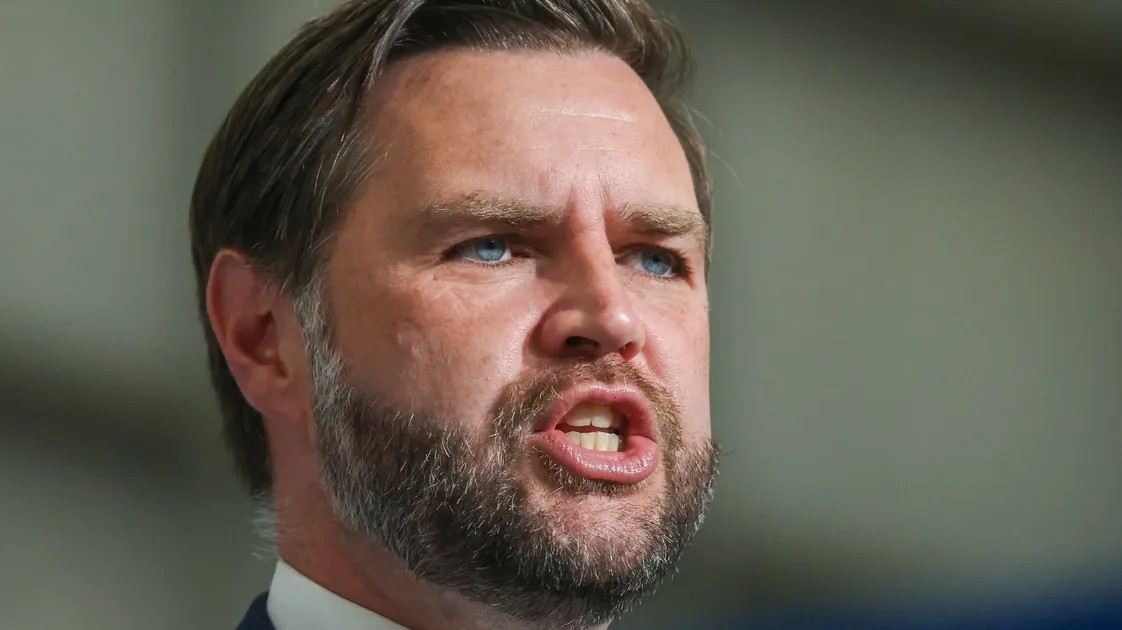
JD Vance just became the first sitting vice president in more than a century to have a newborn while in office. The fourth child arrived Sunday. Big news? Sure. But the real story isn’t the birth itself. It’s what Vance is doing next.
He isn’t taking paternity leave.
In May, Vance told NBC News he’d forgo formal parental leave. His reasoning? The vice presidency doesn’t allow for a clean disconnect. It’s a job where you never truly log off. The vice president’s office has remained tight-lipped about specific daily arrangements. But the implication is clear. Vance plans to stick to the script. The script where fathers work. Mothers manage the home.
This isn’t just a personal choice. It’s a political signal. And for American fathers, it’s a bad one.
The Myth of the “Essential” Worker
Vance’s decision reinforces a dangerous myth. That some men are too important to change a diaper. That their absence strengthens the family by providing stability through income alone.
Research suggests the opposite.
When high-profile men refuse leave, they normalize a situation where “real men don’t take leave.” According to Joan C. Williams, law professor and director of WorkLife Law, this increases the stigma around leave-taking. Women feel pressured to stay because men are stepping away. It’s a trap. A self-fulfilling prophecy of inequality.
“One of the reasons we have a low birthrate is that, economically, it’s often the worst decision a woman can make.”
Women face career penalties after having children. Men often face none. Or fewer. By opting out, Vance validates the idea that fatherhood is secondary to professional obligation. For everyday dads, that message is deafening. It tells them their caregiving isn’t just optional. It’s irrelevant.
What American Fathers Actually Do
The data shows most fathers are already struggling. The U.S. has no national paid parental leave. Families scrimp and scrape using state laws or employer perks. A 2026 survey of over 5,00 parents revealed a stark reality.
- The average paternal leave is just two weeks.
- A majority of parents say they took less leave than they wanted.
Most dads aren’t choosing to skip leave because they’re too busy saving the economy. They’re doing it because they have to. Vance has the resources. He has the luxury. His refusal to use it isn’t necessity. It’s preference. And preferences of the powerful ripple downward.
The Cost to Relationships and Kids
Skipping paternity leave doesn’t just hurt gender equality. It hurts marriages.
Richard Petts, a sociology professor at BallState University, has studied this for years. His findings are consistent. Fathers who take at least two weeks of leave stay closer to their kids for years. Even nine years later. The bond holds.
But when dads stay at the office?
Mothers become the parenting experts. Fathers become the secondary parent. They miss the learning curve. The messy, essential early weeks where confidence is built. Without that shared experience, couples fracture. Petts found that short paternity leave lowers the risk of relationship dissolution. The benefit lasts. It persists through elementary school years.
Why? Because shared care reduces maternal stress. It signals commitment. It makes fathers feel competent. Confidence keeps them involved. Absence pushes them away.
“When fathers learn alongside mothers, they feel more confident. That keeps them engaged.”
Vance says he’ll schedule more home time after the birth. He’ll help with older kids. Fine. But that’s not leave. That’s rearrangement. Paternity leave is distinct. It’s dedicated time to bond. To reset. To step fully into the caregiver role without the shadow of the VP desk.
Why This Matters for You
You might think VP Vance’s choices don’t touch your life. But they do. His behavior sets the standard. It tells other fathers that caregiving is their wife’s job. Their hobby. Something to do when the clock runs out.
Other countries tackle this differently. They mandate use-it-or-lose-it “daddy quotas.” They force men to participate. It changes culture. It shifts norms. Here? We’re stuck in a loop. Leave is seen as a women’s issue. An optional perk for men.
Vance isn’t breaking the cycle. He’s cementing it.
The Bigger Picture
The debate isn’t really about JD Vance. It’s about who gets to be human.
When leaders refuse leave, they deny their colleagues permission to do the same. They reinforce traditional gender roles that harm everyone. Men suffer from the pressure to be breadwinners first. Women suffer from the “motherhood penalty.” Kids lose out on engaged fathers.
Vance will go back to work. The vice presidency won’t pause. But for those watching, the message is loud and clear: caregiving is secondary.
Is that the example we want?