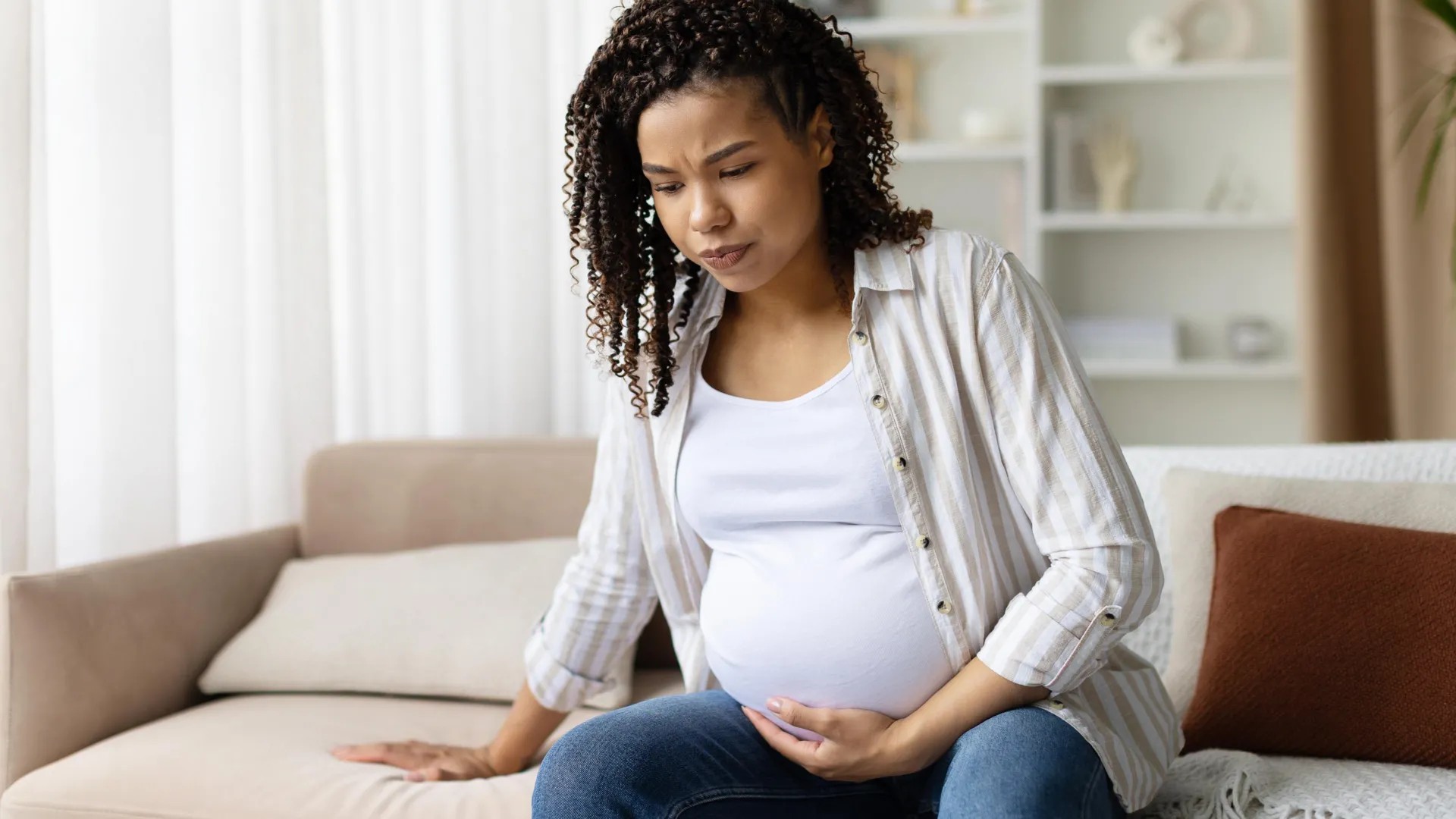
Researchers found 45 chemicals in the urine of pregnant women.
And many of them linked to bad birth outcomes.
This wasn’t some obscure journal no one reads.
The study landed in JAMA Network Open. A big deal. Led by folks from UNC Gillings School of Public Health, Stanford Medicine, and the Woods Institute. They crunched numbers on over 5,000 mother-child pairs. Kids born between 2000 an d2021.
“These chemicals are difficult to avoid…” said Jessie Buckley. First author. She’s a professor of epidemiology. “Even when we do know… we have limited control.”
You can’t just wish them away. They are in food. In drinking water. In the air. In that fancy shampoo. In toys. Household clutter basically oozes these things. Phthalates. PAHs. Halogenated phenols. The average participant carried 45 of these ghosts. The worst case? 64 chemicals in one single sample.
Phthalates got banned in kids’ toys back in 2017. Eight of them. Because they’re toxic. Makes sense.
But the ban had holes. Big ones. It didn’t cover everything a pregnant woman might touch or absorb. And guess what the study found?
Replacement chemicals. The new kids on the block. The ones sold as safer. They’re in diaper creams. In fragrances. In plastics meant for babies. And they’re just as bad. Maybe worse. We traded poison for a different poison.
Did you know we are testing thousands of unregulated alternatives right now?
The team measured 113 common chemicals. Found that phthalates—and their look-alike substitutes—are consistently linked to shorter pregnancies. Less time in the womb. Bad for the baby.
Phthalates also mean lower birth weight. PAHs? Same. Even the obscure halogenated phenols showed up tied to lighter babies.
Tracey Woodruff at Stanford calls it out. Plainly.
“The need for stronger policies,” she said. “Newer chemicals used to replace toxic ones… are also harmful.”
She wants governments to actually vet things before they hit the market. Not after we’re all covered in them.
Can we really be expected to manage this alone?
Buckley thinks small changes matter. A bit more gestation time. A little heavier birth weight. That shifts health trajectories for years. But she also admits the source of the problem isn’t your kitchen cabinet.
It’s systemic. Woodruff says pregnant people face exposure from sources beyond their control. So putting the blame on mothers? That’s lazy science. Or lazy marketing.
“Governments and companies need to do better…” said Woodruff. “…reducing harmful chemicals in everyday products… will lead to healthier children.”
The National Institutes of Health supported this via the ECHO program.
We have the data now. We know what’s there.
What happens next?
Usually, nothing happens immediately. We read the headlines. We panic-buy filtered water for a week. Then life goes on. With 64 chemicals.